Are You Allowed To Bring Food On A Plane

Let’s be honest: airport food is a gamble. You’re either paying seventeen dollars for a sad, desiccated sandwich or navigating a terminal that smells like stale popcorn and re...
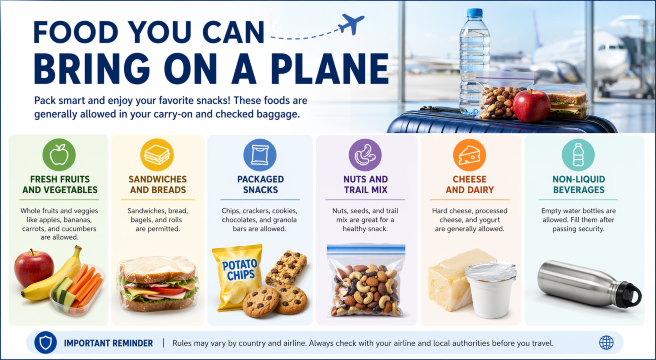
Let’s be honest: airport food is a gamble. You’re either paying seventeen dollars for a sad, desiccated sandwich or navigating a terminal that smells like stale popcorn and regret. So, the question on every savvy traveler’s mind is simple: Can you bring your own food on a plane? The short answer is a resounding yes, with a few very specific caveats that won’t ruin your picnic vibe.
The Transportation Security Administration (TSA) is famously strict about liquids, but solids are your friend. You can pack sandwiches, salads, fruit, and even a whole pizza through security, as long as it isn’t a spreadable or pourable substance. Think of it this way: if you can bite it, you can likely bring it.
This isn’t just about saving money—though that’s a huge perk. It’s about controlling your experience in a world where you have very little control. When you pack your own snacks, you are saying no to mystery meat and yes to culinary autonomy.
Must Read
The Golden Rules of Airborne Dining
Before you start packing a full charcuterie board, know the boundaries. Liquids over 3.4 ounces are a hard no, which means your favorite jar of honey or fancy salad dressing stays home. The same goes for creamy dips like hummus or guacamole—TSA agents treat them like suspects in a crime against security.
Pro tip: Freeze your yogurt or applesauce before you leave. Solid items pass through security without a fuss, and they’ll thaw perfectly by the time you’re at cruising altitude. It’s a small hack that feels like winning a round of travel bingo.
International flights have their own quirks. While most countries allow you to bring food for personal consumption, you must declare fresh produce, meats, or dairy upon arrival. Australia and New Zealand are famously strict—they will confiscate your apple with the zeal of a reality TV judge.
The Cultural Art of Packing a Plane Lunch
Travelers from different cultures have been perfecting this for decades. In Japan, passengers often carry elegant bento boxes with rice, fish, and vegetables. In India, a metal tiffin filled with spiced curry and roti is a common sight. You are not being cheap; you are tapping into a global tradition of self-care.
Europeans tend to keep it simple with a baguette, some cheese, and a piece of fruit. Americans, on the other hand, often bring the entire pantry—bags of chips, protein bars, and suspiciously aromatic fast food. There is no wrong answer as long as you respect the scent radius of your fellow passengers.
 Is It Allowed to Take Food on an Airplane? Understanding TSA Rules and
Speaking of scent: please, for the love of all that is pressurized, avoid tuna fish sandwiches or anything with hard-boiled eggs. The cabin air is dry enough without adding a culinary crime scene. You want to be the person people envy, not the person people silently curse.
What Actually Works Best at 35,000 Feet
Your taste buds change at altitude. The dry cabin air dulls your ability to taste sweet and salty flavors by about 30%, which is why airline meals are often heavily seasoned. Pack foods that are bold in flavor but low in mess.
Think: a wrap with hummus and roasted veggies, a sturdy grain salad, or a bag of dried mango and almonds. Avoid anything that crumbles or drips—a flaky croissant is a beautiful thing, but not when it becomes a tray table disaster. Chocolate is a brilliant choice; it melts in your mouth, not in your carry-on.
Don’t forget the power of a good snack for landing. A crisp apple or a packet of crackers can help regulate your inner ear pressure during descent. It’s a functional snack that doubles as a tiny medical device.
The Bureaucracy of the Empty Water Bottle
Here is a fun fact: you can bring an empty water bottle through security. Once you’re past the checkpoint, fill it at a water fountain or hydration station. This isn’t directly about food, but it’s the partner crime to savvy snacking. Hydrate like a champion, and your meal will taste ten times better.
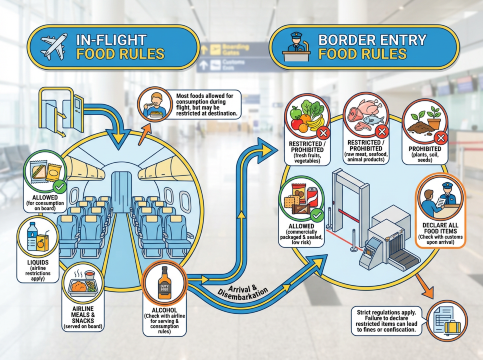 Prohibited food items on plane
Another little-known rule: you can bring a whole cake through security. Pastries, pies, and even a full sheet cake have flown before. TSA officers have seen it all—including a passenger who tried to board with a live lobster in a cooler (that one was not allowed).
The lesson here is that the rules are designed for safety, not to ruin your lunch. If you treat your food like a calm, organized adult, the system almost always works in your favor. Confidence is key—walk up to that checkpoint like you own the place, and your granola bars will pass with flying colors.
A Reflection for Your Daily Life
Bringing food on a plane is ultimately a small act of rebellion against chaos. In a world where flights get delayed and overhead bins fill up, a home-packed snack is a tiny anchor of comfort. It reminds you that you can take care of yourself, even when you’re hurtling through the sky in a metal tube.
Think about that next time you’re at the grocery store. Picking up a bag of almonds isn’t just about saving a few dollars—it’s about claiming your space in the air. You are not just a passenger; you are a prepared traveler, and that is a very powerful thing.
So go ahead, pack that sandwich. Wrap it in foil, tuck it next to your book, and board with quiet confidence. The clouds are your dining room, and you set the menu. Bon appétit, and safe skies.
