Brad Nails Vs Finish Nails

So, you’re staring at a wall of nails at the hardware store, feeling like you’ve just stumbled into an alternate universe where everything is pointy. Do you grab the ones that...
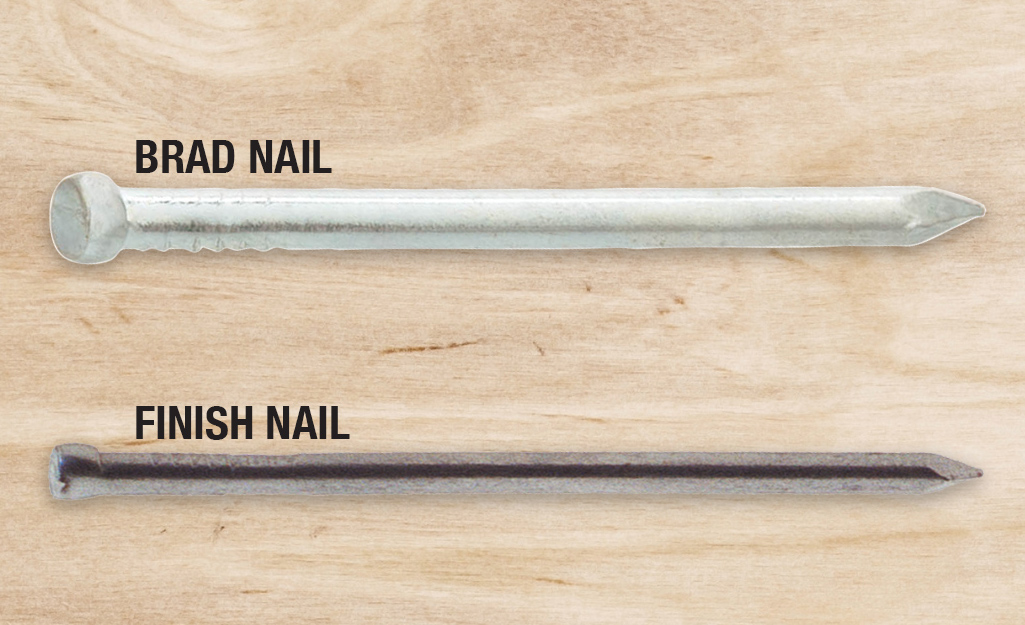
So, you’re staring at a wall of nails at the hardware store, feeling like you’ve just stumbled into an alternate universe where everything is pointy. Do you grab the ones that look like tiny, angry darts, or the ones with the little hats? Welcome to the great debate: Brad Nails vs. Finish Nails—a showdown that could make or break your next project (pun totally intended).
The Contenders: Meet the Tiny Titans
First up, we have the Brad Nail, the featherweight champion of the nailing world. These guys are skinny, usually 18-gauge, with a head so small you’d need a magnifying glass to spot it. They’re like the ninjas of the nail family—quiet, subtle, and they leave almost no trace.
Then there’s the Finish Nail, the beefier cousin, typically 15- or 16-gauge. It’s got a bigger head and a thicker shank, like a linebacker who also enjoys woodworking. It’s here to hold things together with authority, and it’s not shy about it.
Must Read
Size Matters (And We’re Talking Gauge)
Here’s the nerdy bit: nail thickness is measured in gauge, and the number is backwards—smaller numbers mean thicker nails. So an 18-gauge brad is thinner than a 16-gauge finish nail. It’s like T-shirt sizes, but for tiny metal spears.
Brad nails are usually 18-gauge, while finish nails start at 15- or 16-gauge. This difference in thickness dictates everything: how much they hold, how big of a hole they leave, and whether your project looks like a murder scene or a masterpiece.
When to Call in the Ninja: Brad Nails
Grab brad nails when you’re working with delicate trim, like quarter-round, shoe molding, or any MDF that begs for mercy. They’re perfect for attaching thin pieces of wood where you don’t want a big, ugly hole staring back at you. Think of them as the polite guest who doesn’t leave a mess.
They shine on indoor projects like cabinet backings, small crafts, or that birdhouse you’re building to prove you own a hammer. Because they’re thinner, they’re less likely to split the wood—great for soft woods like pine or cedar. Just know that brads are not built for heavy lifting; they’re more like gentle whispers than forceful hugs.
One caveat: brad nails don’t have the holding power of their beefier brothers. So if you’re hanging crown molding in a haunted house where ghosts might slam doors, maybe upgrade.
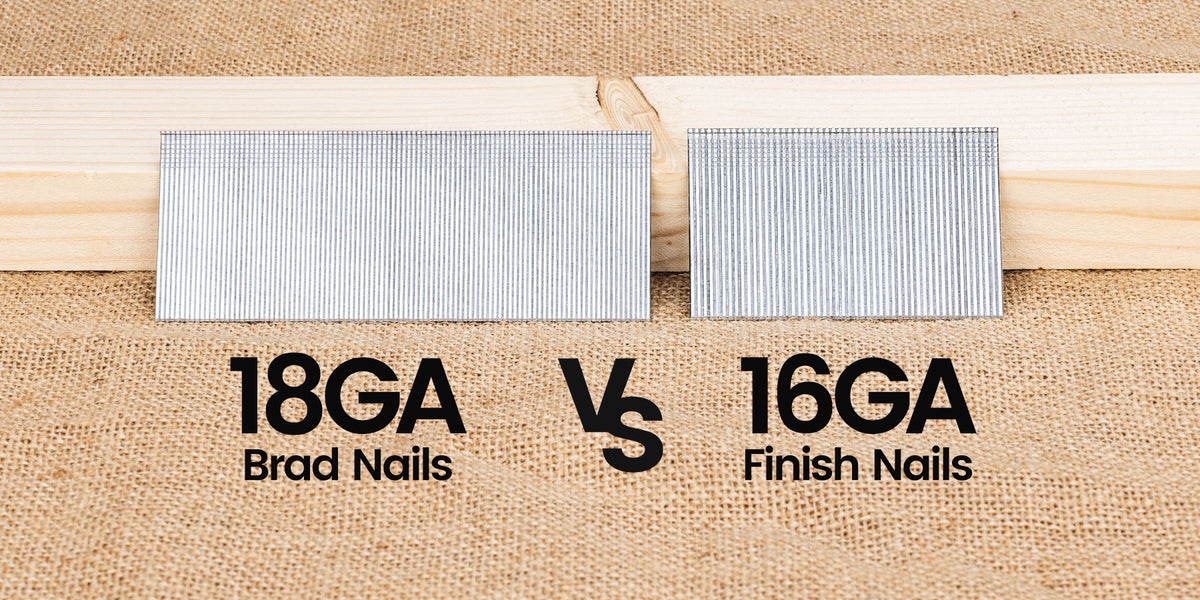 Brad Nails vs Finish Nails: 18 Gauge vs 16 Gauge Nailers Explained
When to Call the Linebacker: Finish Nails
Finish nails are your go-to for structural trim that needs to stay put, like baseboards, door casings, and chair rails. They’re thicker, so they grip wood fibers like a toddler gripping a candy bar—tight and unrelenting. They’re the muscle in your nailing arsenal.
They also work wonders for exterior projects where nails face wind, rain, or the occasional squirrel tantrum. Their bigger heads provide more stopping power, and they’re less likely to pull out over time. If you’re building a deck or a fence, finish nails are your best friends (though screws are even better, but that’s a fight for another day).
The trade-off? Finish nails leave a larger hole that needs filling with wood putty if you want a flawless finish. But hey, that’s the price of stability—like paying for insurance, except you’re filling holes with putty instead of premiums.
The Head Game: Brad vs. Finish
The nail head is the crown—literally. Brad nails have a tiny, almost invisible head that’s designed to be set below the surface with a nail setter. You barely see it, which is perfect for fine furniture or trim where every imperfection screams “I tried but gave up.”
Finish nails, on the other hand, have a more pronounced head that’s still small but noticeably larger. You’ll still set them below the surface and fill the hole, but the hole is bigger. It’s like the difference between a mosquito bite and a bee sting—both annoying, but one is more dramatic.
 Pin Nail Vs Brad at Terry Haskell blog
The Great Showdown: When to Use What
Imagine you’re building a dollhouse for your niece. You’d use brad nails for the tiny staircases and window frames because they won’t crack the delicate wood. But for the baseboard in your living room, finish nails are your jam because you want it to survive a dance party.
Here’s a cheat sheet: Brads for light, trim, and precision; finish nails for heavy-duty, permanent, and outdoors. If you’re ever in doubt, ask yourself: “Will this thing fly off if I sneeze?”. If yes, go finish. If no, brad away.
The Tool Talk: Nailers and Hammers
Yes, you can use a hammer for both, but your thumb will file a complaint. A brad nailer (the tool) shoots brads, while a finish nailer shoots finish nails. They look similar, but don’t mix them up—it’s like putting diesel in a Prius. Explosions are unlikely, but the result is disappointing.
If you’re using a nail gun, check the gauge. Most brad nailers accept 18-gauge, and finish nailers handle 15- or 16-gauge. And always wear safety glasses—you don’t want a rogue nail bouncing off the wall and becoming a surprise piercing.
Smiles and Nails: The Uplifting Conclusion
So, the next time you face that wall of nails, remember: you’re not just choosing a fastener—you’re choosing a story. Brad nails are the quiet magicians, perfect for projects where only the result matters. Finish nails are the dependable heroes, standing tall even after the paint dries. Neither is better; both are perfectly suited for different adventures. And honestly, isn’t that the best part of being a DIY warrior? You get to pick your battles, one tiny nail at a time.
So grab your nailer, choose your champion, and go build something that makes you smile. Because in the end, whether you use brads or finish nails, you’ve created something that didn’t exist before. And that, my friend, is the real victory—along with the fact that your thumb is still intact. Happy nailing!
