Can Universal Credit See My Bank Account

Picture this: you're three days from payday, living on a diet of instant noodles and sheer hope, when a terrifying thought strikes you. Is the government, right now, peering i...
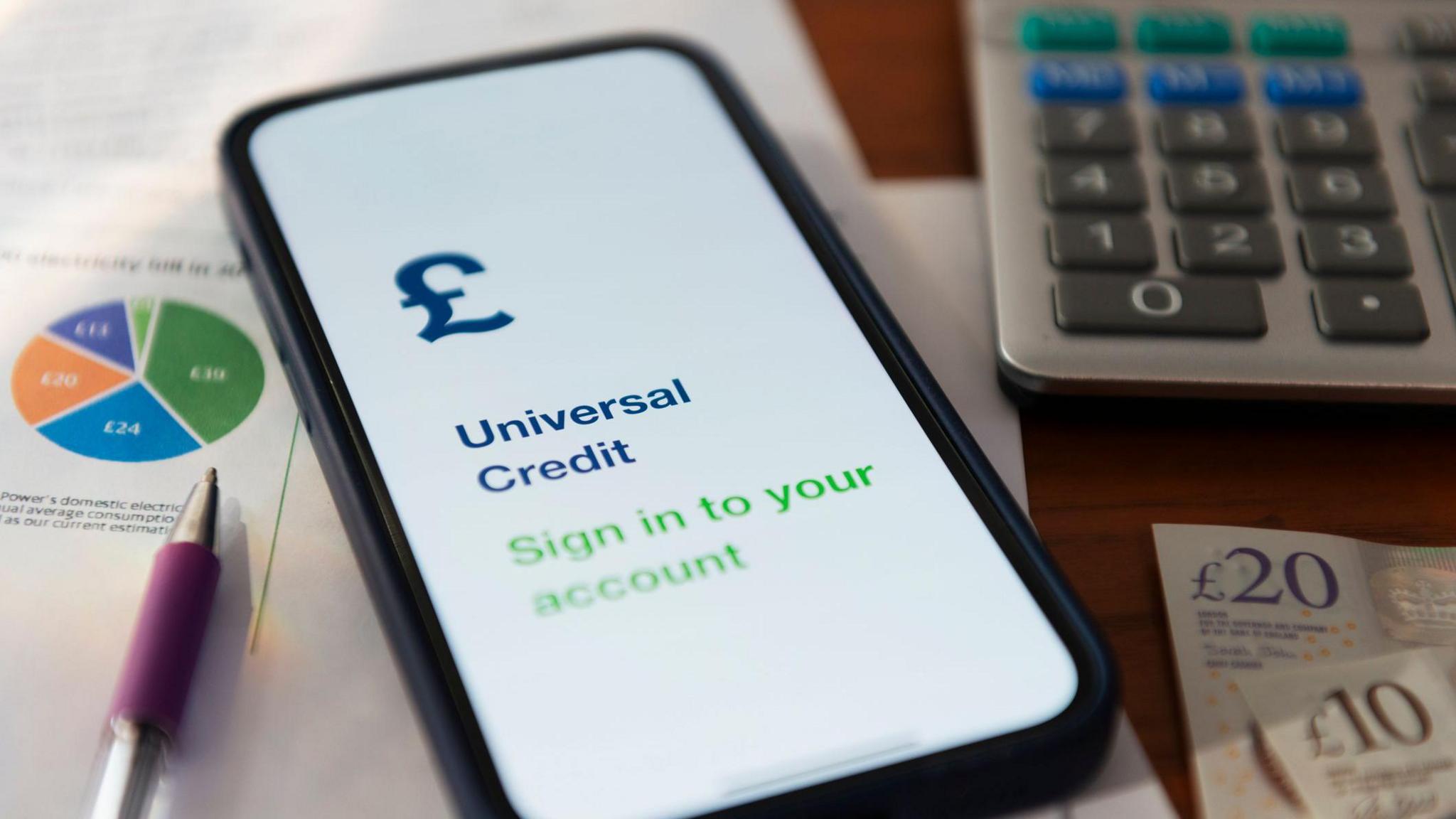
Picture this: you're three days from payday, living on a diet of instant noodles and sheer hope, when a terrifying thought strikes you. Is the government, right now, peering into my bank account like a nosy neighbor through the blinds? It’s a question that haunts the sleep of millions on Universal Credit—and the answer is both weirder and more comforting than you think.
First, let’s calm the conspiracy part of your brain. No, the Department for Work and Pensions (DWP) does not have a secret live feed of your bank account, unless you’ve somehow signed a pact in your sleep. They can’t watch you buy that cheeky latte or see your subscription to “Cat Facts” daily. That would require a court order, a warrant, or you accidentally handing over your login details, which I hope you’d only do for a truly excellent bribe.
So, how do they check? The short answer is: they ask you, like a very persistent relative at a wedding. Universal Credit works on a system of trust and regular declarations—you tell them your income and savings every month. If you lie, that’s when the real fun begins, but it’s not some live spy cam on your checking account.
Must Read
The Magic Number: £6,000 (And Why It Makes You Sweat)
Here’s the surprising fact that makes everyone panic: Universal Credit does care about your savings, but only if you’ve got more than £6,000 tucked away. If you’re below that magic line, they basically treat your bank account like a locked diary they’ve politely agreed not to read. You could have £5,999 in an emergency fund and they’ll shrug, assuming you’re not secretly Scrooge McDuck swimming in coins.
But crack that £6,000 ceiling, and the rules get juicy. For every £250 you have over six grand, they deduct about £4.35 from your monthly payment. It’s like a weird tax on being slightly less broke. And if you somehow amass over £16,000 in savings? Congratulations—you are officially too rich for Universal Credit, and they’ll show you the door. It’s the benefits equivalent of a bouncer saying, “You’re on the guest list, but your wallet isn’t.”
Now, the big question: can they force you to hand over bank statements? The answer is a hilarious “sort of.” If they suspect you’re hiding treasure, they can request statements. Refuse, and they can stop your payments faster than you can say “signature latte.” It’s like a game of bureaucratic chicken—you can say no, but you’ll lose the only money you have.
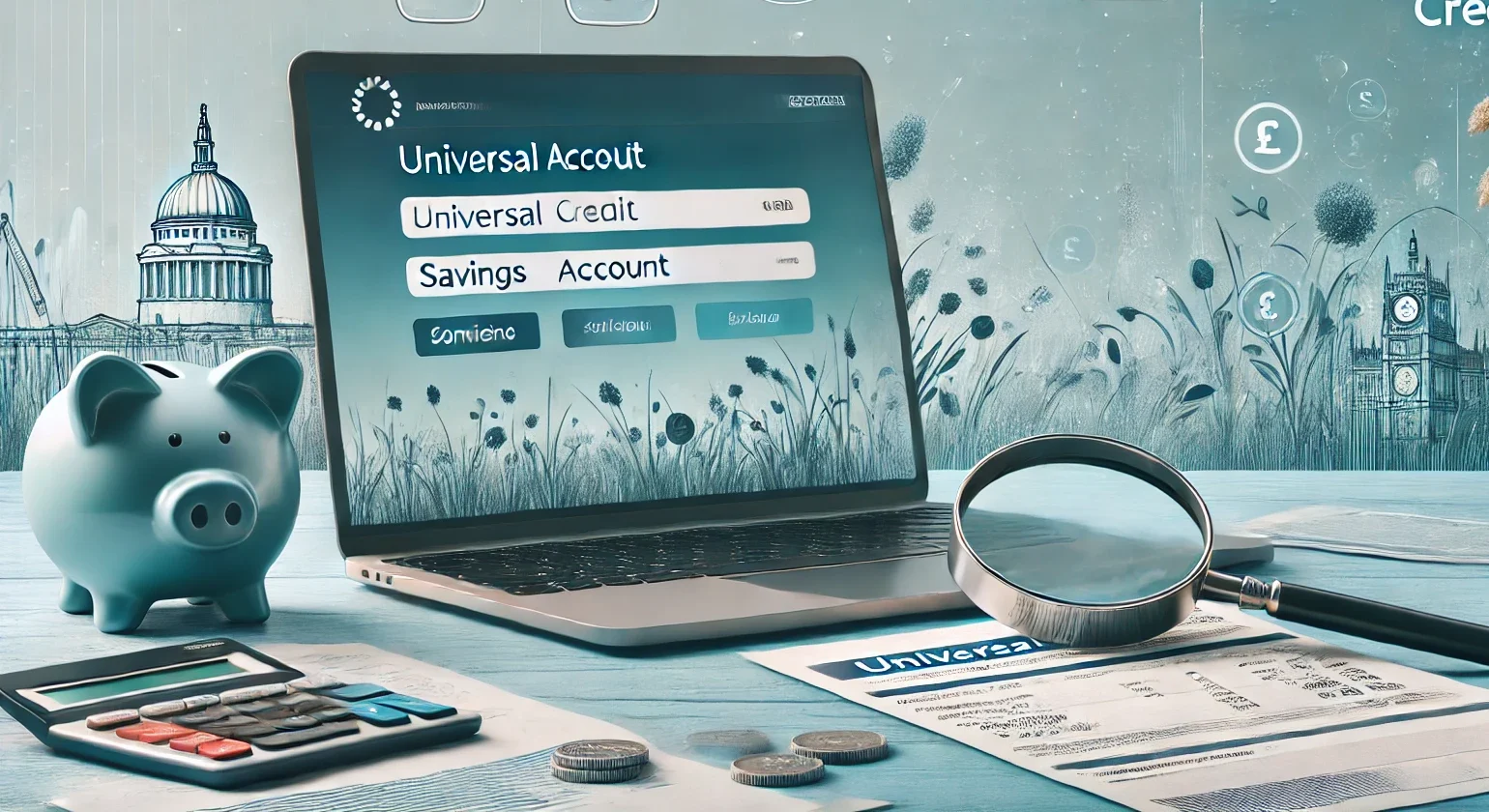 Can Universal Credit Check My Savings Account? | What You Need to Know
The Spy Who Saved Me: How They Actually Check
Here’s where it gets weird. The government does have access to something called the Real-Time Information (RTI) system, which is basically a direct data feed from HM Revenue & Customs. This system tells them exactly how much you earn from a job, in real time, because your employer reports your pay automatically. So your boss is the rat. Not the bank.
But what about your savings account? That’s trickier. Banks do report certain things to the DWP, but only under specific circumstances—like if you’re suspected of major fraud. For everyday claimants, your savings are a secret island. One infamous case involved a woman who lost benefits because her bank reported a sudden £20,000 deposit. It turned out to be her elderly mother’s funeral plan. The government apologized, but the drama was deliciously extreme.
If you’re self-employed, expect even more scrutiny. The DWP might ask for bank statements to prove your income, because apparently “I sold a painting of a sad unicorn for £200” sounds suspicious. You’ll have to hand over every page, including that one embarrassing transaction for a “mystery box” at 3 AM. They claim they only look at income, but we all know the investigator is having a quiet chuckle.
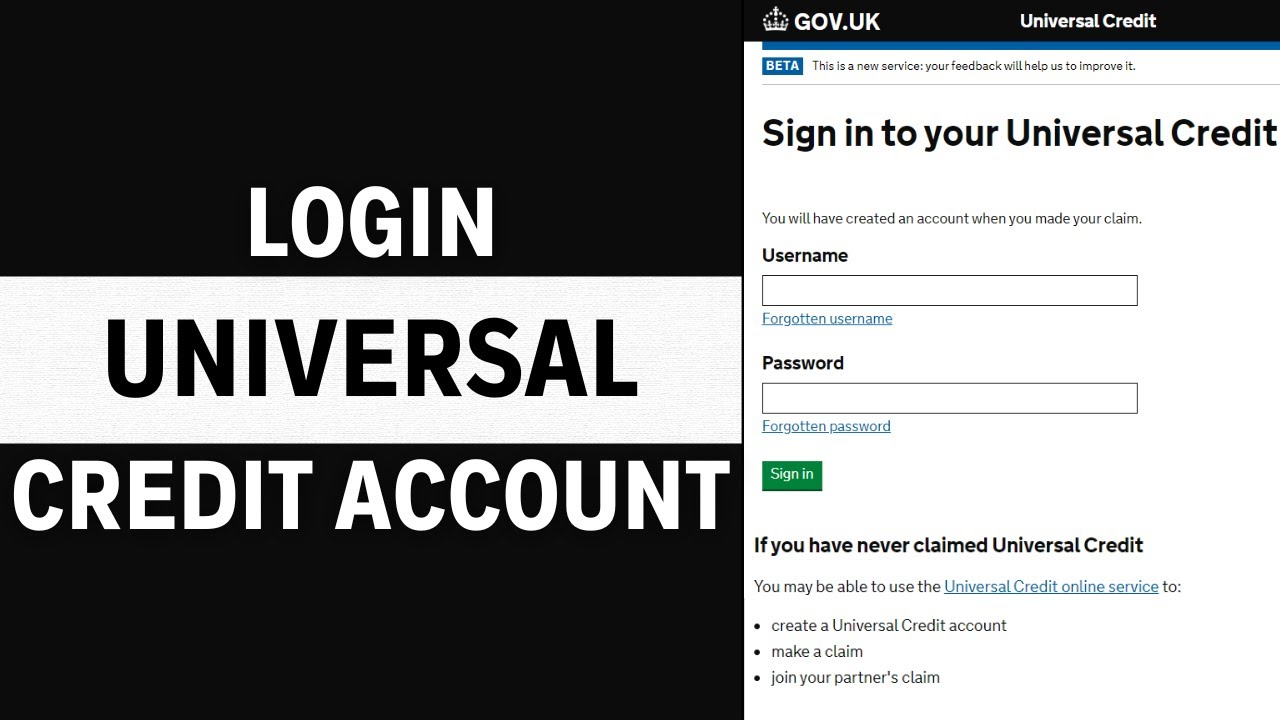 How to Login Universal Credit Account | Sign In Universal Credit
The Real Trick: Don’t Panic, Do Play It Smart
So, the truth is: Universal Credit cannot see your bank account like a magic screen. They rely on your honesty, employer data, and the occasional formal request. But here’s the surprising fact that will blow your mind: they can check your access to cash through something called the “capital rule.” This means they consider cash under your mattress, in a drawer, or even in a friend’s account for you. Yes, hiding cash in a jar labeled “Emergency Doughnuts” is technically reportable.
What about crypto, you ask? Oh, the DWP loves crypto. If you’ve got Bitcoin tucked away, they want to know its value in pounds, because apparently digital coins are now real. They treat it like a savings account, which is hilarious given that Bitcoin once crashed by 30% while a reviewer was writing this sentence.
My advice? Keep your bank statements boring, your savings under £6,000, and never, ever try to hide money in a friend’s account. That’s called “deprivation of capital,” and it’s a one-way ticket to a benefits tribunal where you explain to a judge why you gave your mate £500 for “ethical cat sweaters.” Just be honest—or at least creatively boring.
In the end, the system is less “Big Brother” and more “annoying cousin who asks too many questions at dinner.” You can’t hide everything, but your bank account is not a live webcam. So go buy that latte. Just maybe use cash, and don’t name your cat after a cryptocurrency. You’ll be fine.
