Cars That Are Road Tax Free

There’s something quietly thrilling about driving a car that costs you zero in road tax. It’s not just about the money saved—it’s the feeling of beating the system. In a world...
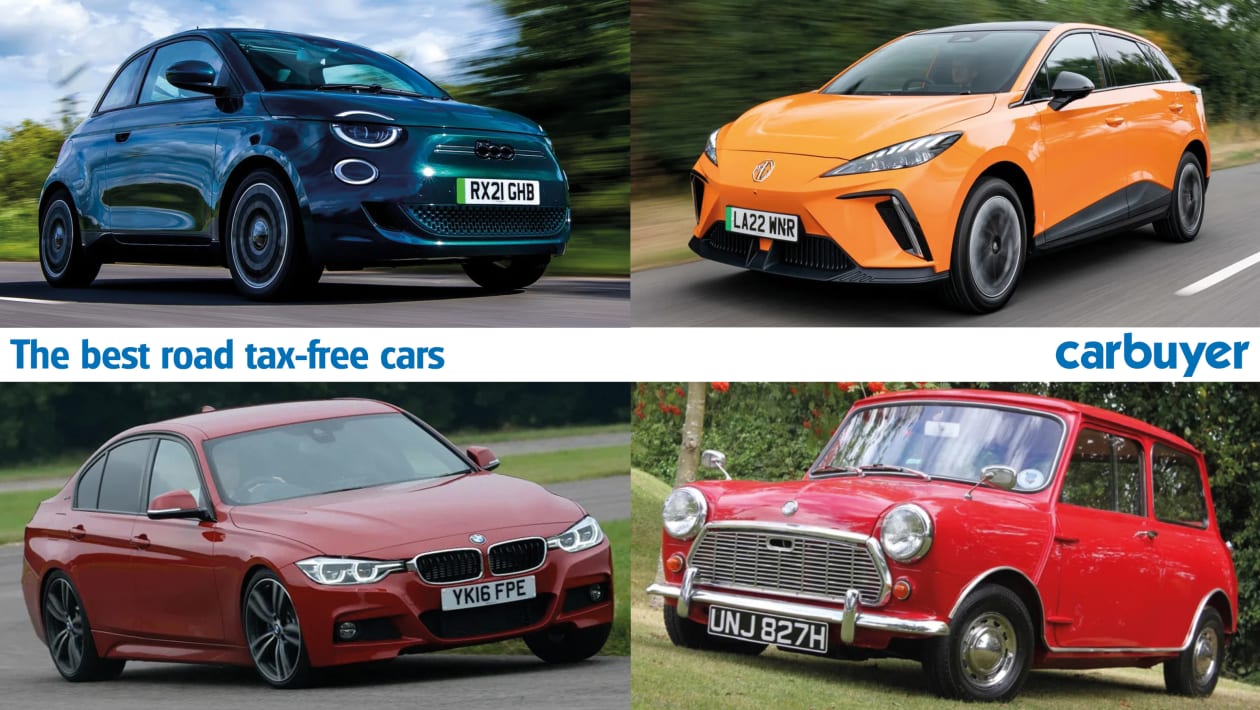
There’s something quietly thrilling about driving a car that costs you zero in road tax. It’s not just about the money saved—it’s the feeling of beating the system. In a world where every monthly bill seems to creep upward, a zero-rate VED (Vehicle Excise Duty) sticker feels like a small, rebellious win.
Let’s get one thing straight: road tax isn’t a tax on using the road. It’s a pollution tax, based on CO₂ emissions. The magic number you’re looking for? Zero grams per kilometre. That’s the golden ticket—the only way to qualify for a full exemption in the current system.
So, what cars actually qualify? The short answer: electric vehicles (EVs). If you buy a brand-new Tesla Model 3, a Nissan Leaf, or a Hyundai Ioniq 5, you pay £0 in road tax for the first year—and for subsequent years, too. Yes, the UK government currently exempts all pure EVs from VED entirely.
But here’s the fun twist: historic cars also get a pass. Any vehicle built before January 1, 1984 is considered a “classic” and qualifies for a historic vehicle tax class. That means you can drive a vintage Mini or an old Land Rover Defender while paying absolutely nothing—and looking impossibly cool doing it.
There’s a third, quieter category: disabled-adapted vehicles. If you’re a registered disabled driver receiving certain mobility benefits, you can claim VED exemption on almost any car. It’s a practical, thoughtful policy that makes mobility more accessible—and it’s nice to know the system has a heart.
Driving the Electric Life
Let’s zoom in on the EV option first. You’ve seen the headlines: EVs are the future, but they’re also surprisingly affordable to run. Beyond saving on road tax, you’ll dodge London’s ULEZ charges and congestion zone fees—two costs that really add up.
Take the MG4 EV. It’s one of the cheapest electric cars on the market, priced around £27,000 new. You get a range of about 218 miles, a snappy 0–60 time, and that sweet £0 annual road tax. For city dwellers, it’s a no-brainer: you save on tax, fuel, and parking permits in many green zones.
Cultural reference check: remember the Smarts from the 2000s? Tiny, quirky, and often mocked. Today, the Smart #1 is an all-electric crossover with premium vibes—and still zero road tax. The underdog finally won.
 Vehicle Road Tax Rates
Classic Tax-Free Charm
If you have a taste for nostalgia, the historic vehicle route is pure romance. Imagine cruising in a 1972 MGB GT—brown leather seats, wind in your hair, and not a single penny in tax. It’s like owning a piece of art that you can actually drive.
Here’s a practical tip: to claim historic status, your car must be declared as a “historic vehicle” with the DVLA. You’ll need to prove its age (usually via the V5C logbook) and ensure it hasn’t been substantially modified. Originality is key. But don’t stress—a little patina is perfectly fine.
Mind the maintenance. Classic cars aren’t as reliable as modern ones, so budget for regular TLC. But the trade-off? No depreciation worries (most classics hold value or even appreciate), and you become the star of every car meet. Plus, you can wave at other classic drivers—it’s a secret society of tax-free rebels.
The Practical Fine Print
Before you run to a dealership, know this: hybrids do not qualify. A Toyota Prius or a plug-in hybrid like the Mitsubishi Outlander PHEV still emits CO₂, so you’ll pay tax—just at a reduced rate. Only full battery EVs and hydrogen fuel-cell vehicles get the zero-emission badge.
Also remember: the government changes the rules. The UK’s VED exemption for EVs was set to end in April 2025, but as of 2024, it’s been extended. Still, keep an eye on budget announcements. If you’re about to buy an EV, do it now to lock in savings.
 What Cars Are Free To Tax at Kenton Williams blog
Want a sneaky tip? You can check a car’s VED rate online using its registration number. Just punch it into the government’s vehicle enquiry service. It takes two minutes and could save you hundreds of pounds a year.
Fun fact: the oldest road-tax-free vehicle in the UK is a 1875 steam-powered carriage owned by the Science Museum. If you can find one, you’ll never pay tax—but you might need a coal permit instead.
Real-Life Payoffs
Let’s talk numbers. Average VED for a petrol car is about £180 per year. For a diesel, it can hit £220. Over five years, an EV saves you roughly £1,000 in tax alone. Combine that with cheaper home charging (about £8 per 100 miles vs. £15 for petrol), and you’re looking at a significant lifestyle upgrade.
But the real payoff isn’t financial—it’s the peace of mind. No renewal reminder, no payment stress, no guilt about emissions. Just you, the road, and the quiet hum of an electric motor—or the gentle roar of an old flat-four engine. It’s a small freedom that adds up.
And honestly, isn’t that what we all want? A little less bureaucracy, a little more joy in the daily drive. Whether you choose a sleek new EV or a weathered classic, going tax-free is a statement: I’ve figured out a better way.
So, next time you see a car with a “FREE” tax disc (yes, they used to be physical), smile. That driver isn’t saving the world—but they’re saving a bit of their sanity. And maybe, just maybe, that’s the best kind of luxury.
