Does Turning Radiators Off Save Money

Alright, let’s get down to the hot topic (pun intended) that’s been chilling your bank account: does turning off radiators actually save you money? You’ve probably stood there...
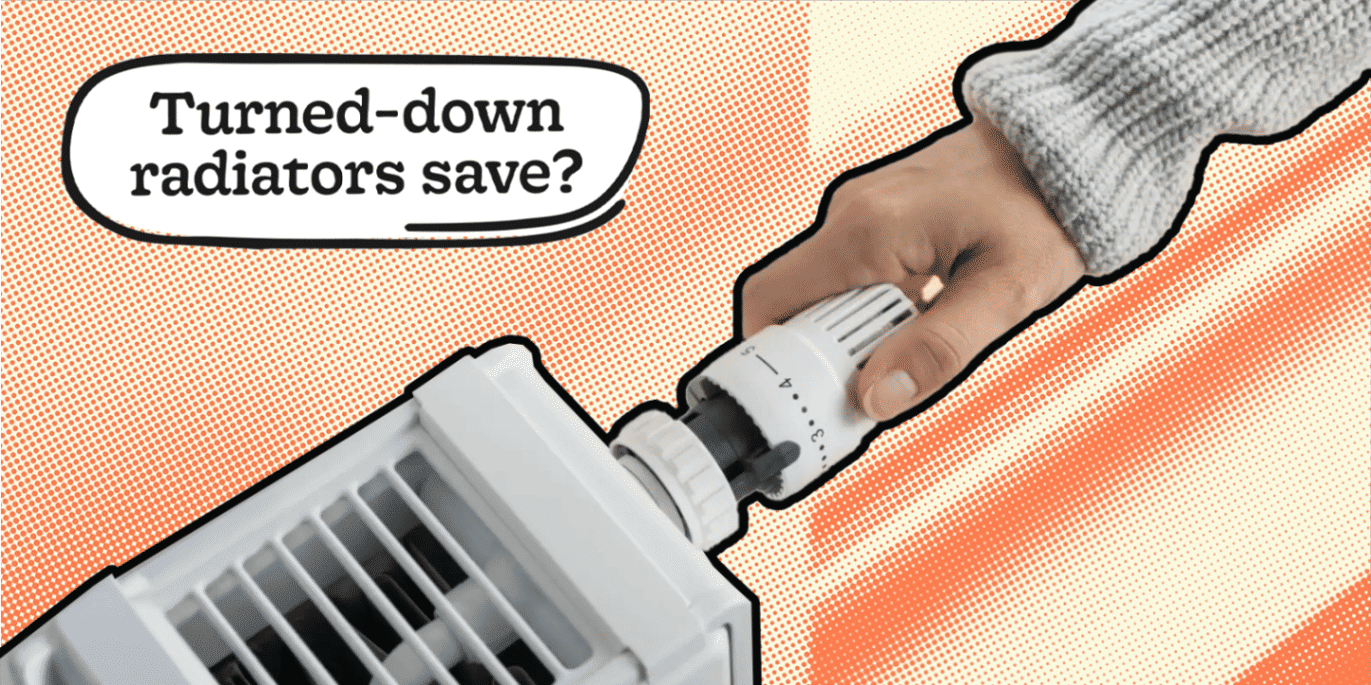
Alright, let’s get down to the hot topic (pun intended) that’s been chilling your bank account: does turning off radiators actually save you money? You’ve probably stood there, shivering in your socks, wondering if that one unused room is secretly draining your heating budget. The short answer? Yes, it can — but it’s not as simple as flipping a switch and watching the savings pile up like forgotten socks behind the dryer.
The Myth of the “Free” Radiator
Here’s the first trap: your heating system isn’t a buffet where you can just turn off a dish and save. Radiators are part of a closed loop — your boiler heats water, pumps it around the house, and the pipes go everywhere. If you turn off a radiator in a room you don’t use, the water still flows past it, but it doesn’t release heat there. That is where the magic happens: less heat lost means your boiler works a little less hard, and you burn less fuel. It’s like closing a window when it’s windy — you’re keeping the warmth where you actually live, not in the guest room where your dusty treadmill lives.
But Wait – There’s a Catch (Isn’t There Always?)
Your boiler has a minimum output. If you turn off too many radiators, the water has nowhere to go, and the boiler might overheat or short-cycle (a fancy term for “expensive grumpy noises”). You need at least one radiator open in the main area — usually the living room or hallway — to let the heat circulate. Think of it like a traffic jam: if you close too many roads, the cars (hot water) get stuck and cause a meltdown. So, moderation is key. Turn off radiators in spare bedrooms or sun-drenched rooms, but never shut off all of them.
Must Read
Another sneaky trick: thermostatic radiator valves (TRVs) are your best friends. These little dials let you set a temperature per room, so you can drop the heat in that chilly spare bedroom to a low “don’t freeze the pipes” setting without blasting it. It’s like giving your radiator a gentle nudge instead of a full-on slap. Use them wisely, and your wallet will thank you.
The Real Money-Saver: Turning Down, Not Off
Here’s where it gets fun. Turning a radiator completely off might save a few pennies, but turning it down (say, to a frost-protection setting) often saves more. Why? Because if you let a room get too cold, the walls and furniture act like a giant ice cube, sucking heat from the rest of the house when you open the door. It’s like leaving the fridge door open — you’re paying to warm up the air that just got stolen. A moderate temperature (around 15°C or 59°F) for unused rooms keeps things balanced, and your boiler won’t have to work overtime to compensate for that cold-zone invasion.
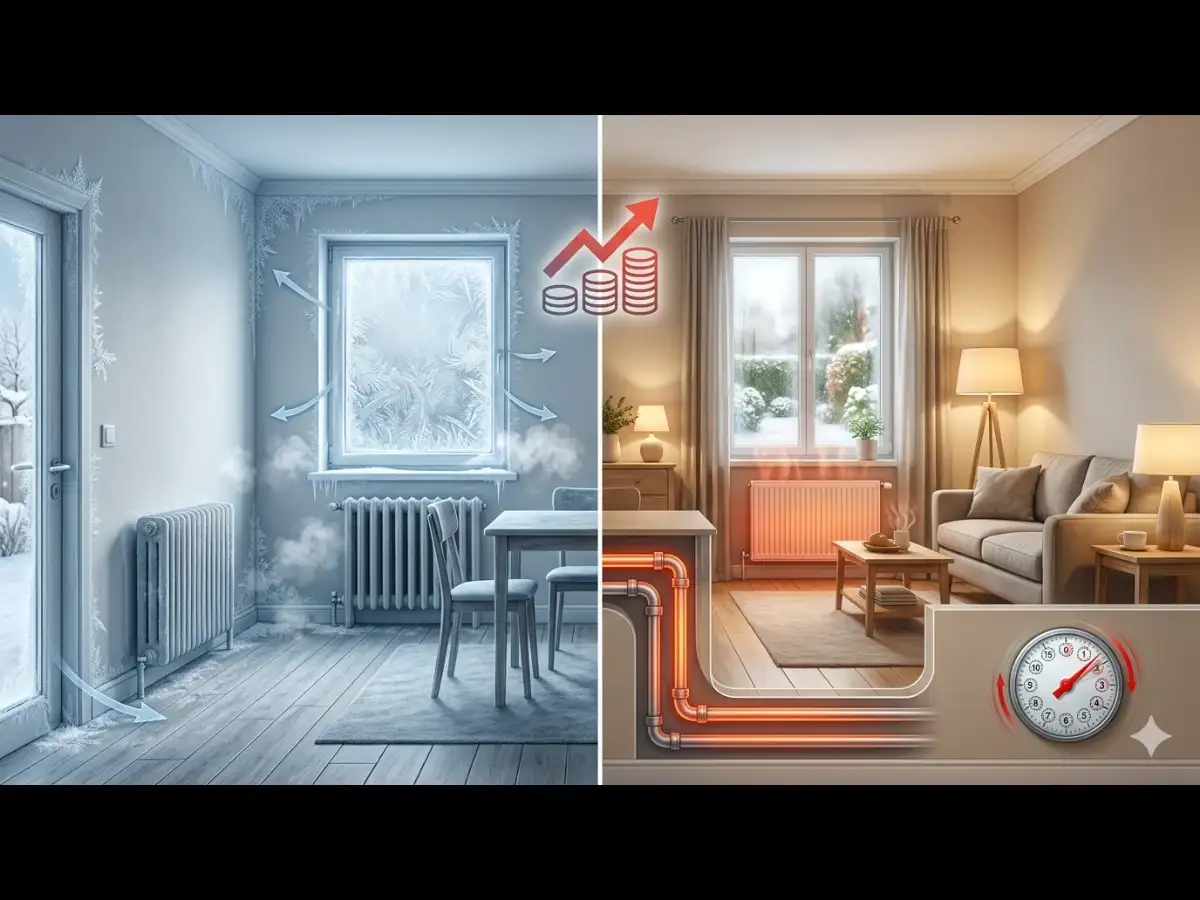 Think Turning Off Unused Radiators Saves Money? Research Says Otherwise
And let’s talk about that one radiator in the hallway. Ever notice how it’s always warm, even when you’re not there? That’s often the bypass — a built-in pipe that lets water flow even when all other radiators are off. Don’t turn that one off, or your boiler will throw a tantrum. Actually, it might just throw a fault code, but still — it’s not a good time.
The “But My Boiler Is Old” Excuse
If your boiler is older than your favorite sweater (say, 15+ years), turning off radiators might not save much. Old boilers are like that friend who insists on driving everywhere in their gas-guzzling van; they don’t adapt well. Modern condensing boilers, though, are efficient little geniuses, and they respond beautifully to lower demand. Check your boiler’s manual or Google its model — if it’s a condensing type, you’re golden. If not, consider upgrading, but also accept that turning off a radiator might just make you feel better without actual savings. Hey, placebo savings are still warm, right?
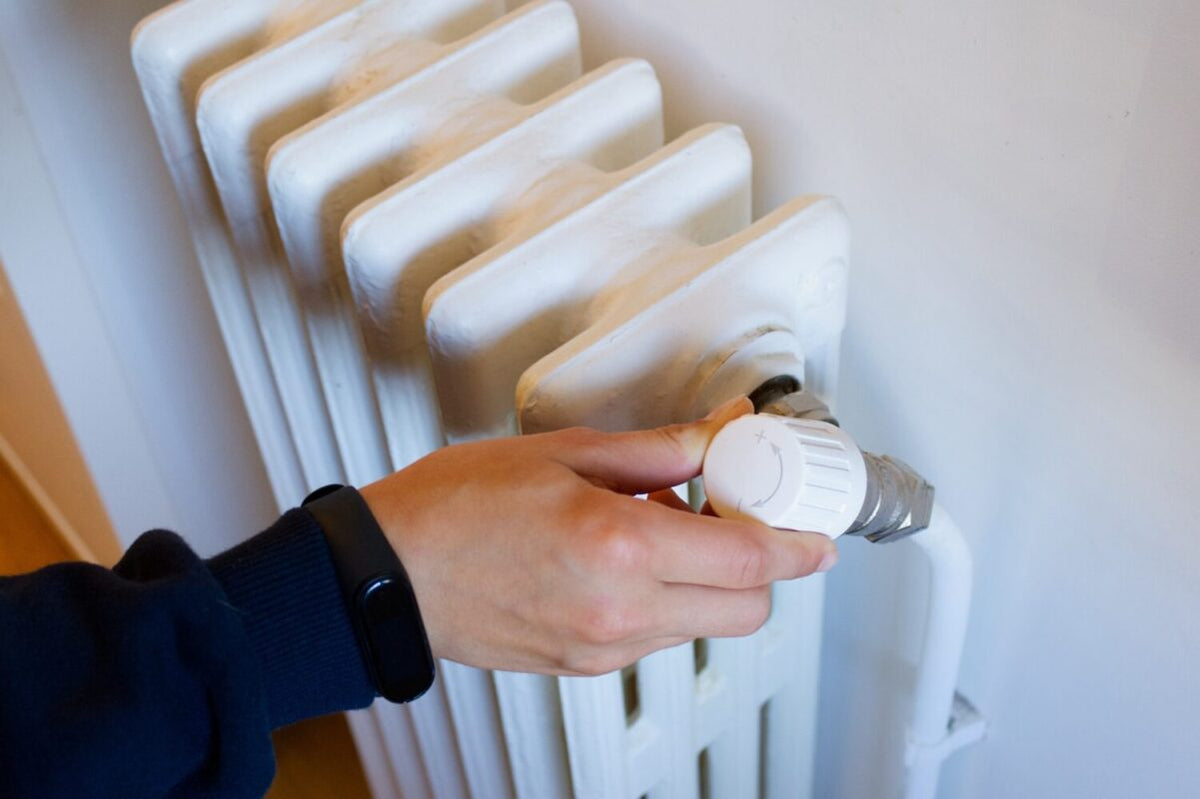 Does Turning Off Radiators Save Money? | UKRadiators
Pro tip: Bleed your radiators before you start turning them off. Air pockets stop hot water from circulating, making your boiler work harder for less heat. It’s like trying to blow up a balloon with a hole in it — just annoying. A quick bleed (use a radiator key, and don’t let the black water drip on your carpet) costs nothing and saves more than any radiator-turning-off trick ever could.
The Verdict (Drumroll, Please)
So, does turning radiators off save money? Yes, but only if you do it smartly. Turn off radiators in rooms you rarely use, but keep a few open to avoid boiler drama. Use TRVs to dial down, not off, and never ignore the hallway radiator. And for the love of cozy socks, bleed your system first! The savings are real — maybe 5-10% on your heating bill, depending on your home — and that’s like finding a tenner in an old coat pocket.
But here’s the uplifting truth: every little bit counts. Whether you save £10 or £50, you’re not just keeping your home warm; you’re keeping your sanity warm, too. And if you accidentally freeze your toes while testing this theory? Well, that’s just a good excuse to make a hot cocoa and wrap yourself in a blanket like a human burrito. You’ve got this — go turn those dials like the budgeting hero you are. Stay warm, save smart, and remember: the only thing that should be frozen is your leftover pizza.
