Filming Ban Being Imposed In Central London

So, you’ve got your latte, your vintage camera, and a dream of capturing that perfect, cinematic shot of a London cab pulling up to Big Ben. Hold that thought. As of this mont...
So, you’ve got your latte, your vintage camera, and a dream of capturing that perfect, cinematic shot of a London cab pulling up to Big Ben. Hold that thought. As of this month, a new filming ban in specific central London zones has officially kicked in, turning our favorite locations into a no-go for spontaneous videography. It’s not a total blackout, but it’s a shakeup for influencers, vloggers, and even tourists who treat every cobblestone like a backdrop for their next viral reel.
The ban, enforced by the City of Westminster and backed by Transport for London, targets commercial filming in high-traffic areas like Leicester Square, Piccadilly Circus, and parts of Oxford Street. Think of it as the city finally saying, “We’ve seen enough slo-mo walks through the rain,” while also tackling overcrowding and safety issues. If you’re planning a Love Actually-style montage, you might need a permit and a smaller crew.
The New Rules of the Game
Let’s break it down without the legal jargon. The ban applies to any filming that involves crews of more than five people, tripods, or equipment that blocks pavements or roads. Solo smartphone shots for personal Instagram stories? You’re likely fine—as long as you don’t stage a scene that causes a crowd. The idea is to protect the flow of London life, which already feels like a game of human Tetris during rush hour.
Must Read
Here’s the kicker: even wedding photographers and small-brand shoots are getting caught out. One local photographer told me they were asked to move from a quiet alley near Covent Garden because their reflector “looked like professional equipment.” So, yes, mirror-selfie enthusiasts, your time to shine is officially limited in the West End.
Practical Tips for the Unfazed Creator
Don’t panic. You can still capture that iconic London energy, but you’ll need to play it smarter. First, apply for a permit from Westminster City Council—it’s surprisingly affordable (around £50 for a half-day) and lets you film legally in restricted zones. Second, go ultra-mobile: ditch the tripod for a gimbal, use natural light, and stick to handheld shots. The ban doesn’t apply to streets like Southbank or Borough Market, which are still open for business.
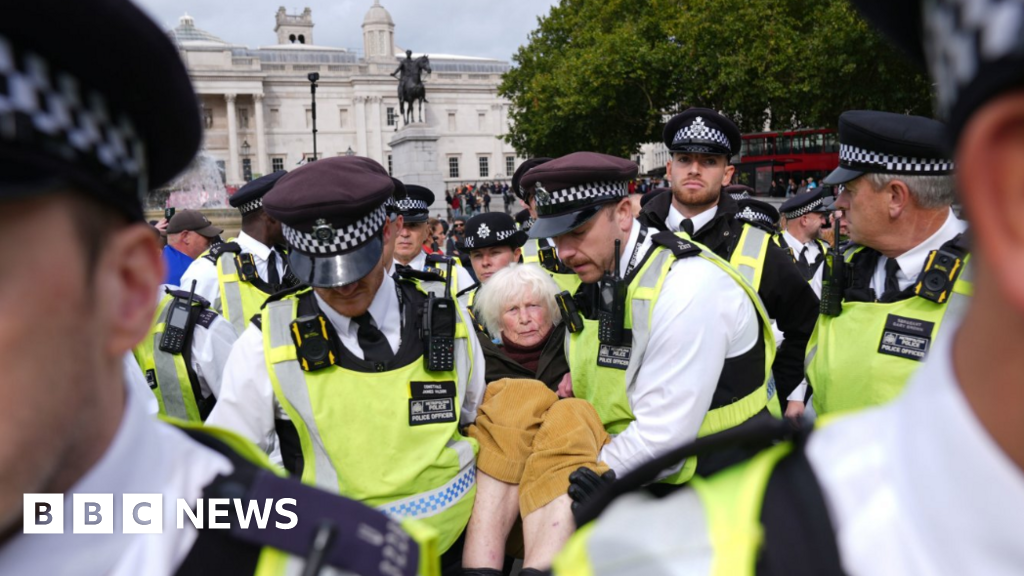 London Palestine Action protest: Met Police make nearly 500 arrests
Third, time your shoot. Early mornings (before 7 a.m.) and late evenings (after 9 p.m.) are your best bet, as enforcement is laxer when fewer eyes are watching. Fun fact: Paddington 2 filmed many of its chase scenes during these “dead hours” to avoid traffic. Channel your inner bear.
Cultural References to Keep You Grounded
This ban feels like the closing of a chapter that started with Notting Hill’s travel bookshop. Remember that scene where Julia Roberts walks through Portobello Market? Today, that shot would require a permit, a risk assessment, and probably a waiver. It’s a bit like London saying, “You can’t handle the spontaneity.” But honestly, the city has been a film set since Mary Poppins danced through it. Maybe it’s time we let it breathe.
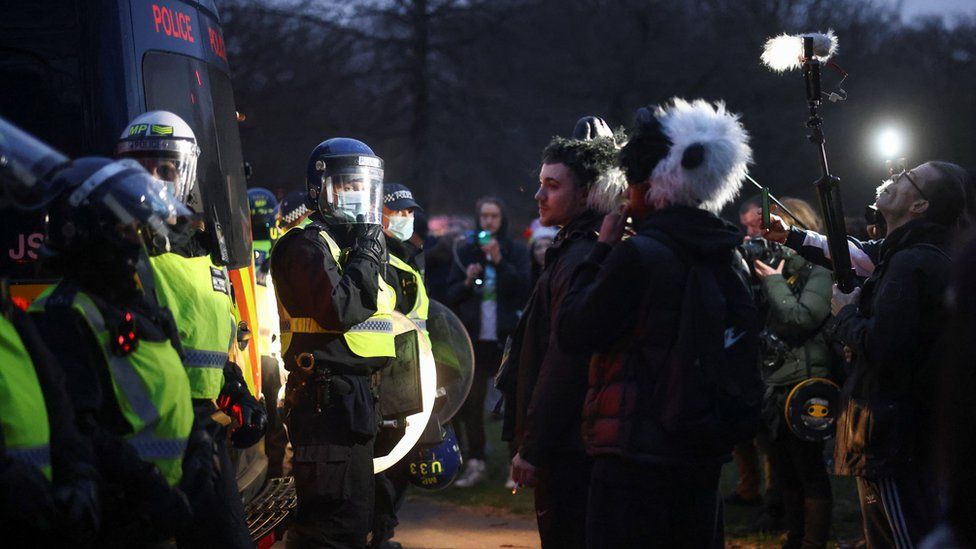 London protests: Thousands march through capital in day of protest
On the flip side, this ban is a callback to old-school travel. Before everyone was a director, you’d just stand at Trafalgar Square, snap a postcard, and move on. There’s a certain charm in that—like trading your 4K drone for a disposable Kodak. It forces you to look rather than document.
Fun Little Facts You Didn’t Expect
Did you know that London is the most filmed city in the world, beating out New York and Paris? The union-backed ban is partly to protect professional film crews’ jobs, but also to stop tourists from blocking ambulance routes. Another gem: the ban excludes official promotions like the London Film Festival, so you can still spot stars at the Royal Albert Hall—just don’t whip out a camera yourself. And here’s a trivia nugget: the famous “TARDIS” police box on Earl’s Court Road is now a protected structure, meaning even Doctor Who can’t film there without a chat with the council.
A Peaceful Reflection on Our Daily Lives
At its heart, this filming ban is a quiet reminder that cities are for living, not just for curated content. How often have you walked through Leicester Square, mentally editing a reel instead of noticing the street performer’s smile or the scent of fresh pretzels? The ban nudges us to be present—to put the phone down and just be a Londoner, even if you’re only visiting. Next time you pass a restricted zone, try this: pause for 60 seconds. Watch the pigeons, the buses, the people rushing. That imperfect moment is the real film, and it doesn’t need a permit. So go ahead, enjoy the ban. Your memories will thank you.
