Furness & South Cumberland Supply Association Ltd

My granddad, a man of few words and a fiercely territorial garden shed, once told me about the “divvy.” He’d come in from his allotment, smelling of soil and pipe smoke, clutc...

My granddad, a man of few words and a fiercely territorial garden shed, once told me about the “divvy.” He’d come in from his allotment, smelling of soil and pipe smoke, clutching a crumpled receipt. “That’s from the Co-op,” he’d say, tapping it with a grimy finger. “Or the Supply, as we called it. Better than any bank.” I never really got it until I found an old, faded share certificate from the Furness & South Cumberland Supply Association Ltd tucked in his Bible. Suddenly, that grimy receipt wasn’t just for groceries—it was a vote in a very local revolution.
So, what on earth was this thing? Imagine a supermarket, but one where you own the building, the delivery vans, and the tea biscuits. The Furness & South Cumberland Supply Association was a co-operative society, a grocery chain run by and for its members in that beautiful, rugged corner of north-west England. It wasn’t some faceless corporation; it was a community enterprise born from the practical need to get fair food on the table.
Think about the name for a second: Supply Association. It sounds so Victorian, so functional. And it was. It wasn’t trying to be sexy; it was trying to sell you flour that wasn’t adulterated with chalk. These societies were the original disruptors, taking on the local shopkeepers who charged through the nose because they had a monopoly on the railway line. (Sound familiar, anyone fighting with modern landlords?)
Must Read
The Birth of a Supermarket… But Socialist
It all kicked off in the late 1800s. Barrow-in-Furness was booming with the shipyards. You had thousands of workers, decent wages by the day’s standards, but no power over the price of their bread. Then came the Rochdale Pioneers’ model, and local folks thought, “We can do that.” In 1886, the Furness & South Cumberland Supply Association Ltd opened its first shop.
And they did it by the book. Members bought a share—a pound or two—and got a membership number that was probably more important to them than their own house number. Every time you shopped, they’d note your purchases. At the end of the year, you got a dividend, a “divvy,” based on how much you spent. It was like getting cashback, but with a handshake and a sense of moral victory.
Let’s be honest: the early stuff was pretty basic. We’re talking a bucket of coal, a sack of potatoes, a hunk of cheese wrapped in muslin. But the scale grew. By the 1920s, they had a whole fleet of delivery horses. (Picture that: a Clydesdale in a tweed cap delivering your soap flakes.) It was a mini-empire of practical socialism.
The Golden Age of the “Co-op”
Here’s the bit that gets me: they had their own funeral service. Really. You’d buy your sugar from the same people who’d eventually take you to the cemetery. It wasn’t morbid; it was complete cradle-to-grave security. The Supply Association wasn’t just a shop; it was a social safety net stitched from twine and dividend slips.
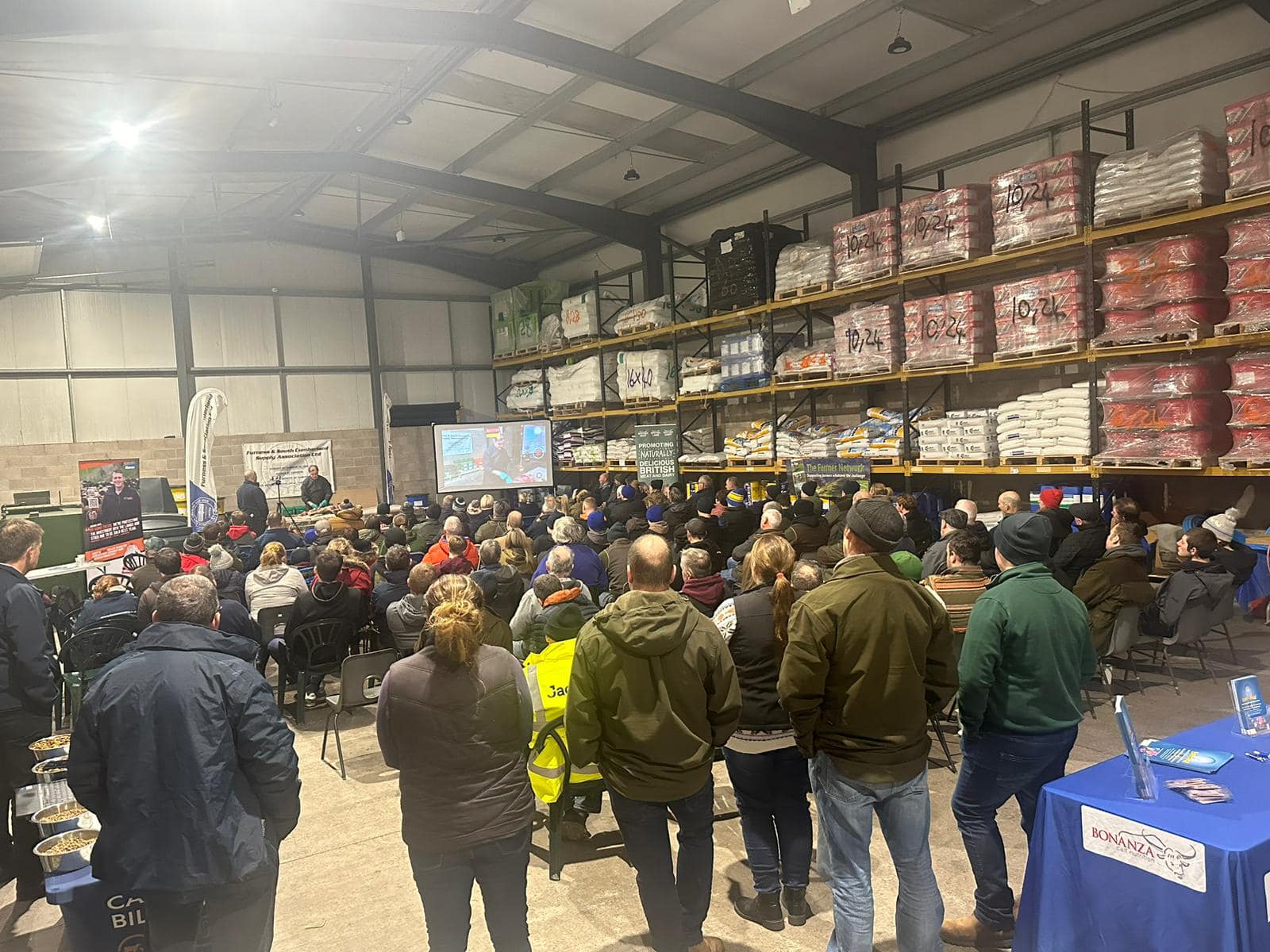 Sheep Social Evening - Furness & South Cumberland Supply Association Ltd
Think about the brands today. The Furness Supply didn’t sell Coca-Cola; it sold “Co-op Tea” and “Supply Association Biscuits.” The packaging was plain, almost defiantly ugly, with a little green logo of a beehive (hard work, community). If you bought it, you were investing in yourself, not in some distant shareholders’ yacht. It was the ultimate local-first movement, decades before the farmers’ market trend.
My granddad’s receipt from 1968 shows a half-pound of butter, a loaf of “Standard Bread,” and a “Tobacco – Twist.” Total: three shillings and a penny. That receipt was his proof of ownership. (Imagine showing a Tesco receipt to your grandchildren and saying, “This makes me a part-owner of the store.” They’d think you were mad.)
The Slow Fade
Of course, the winds changed. The 1960s and 70s saw the rise of the superstore chains, with their shiny plastic and loss leaders. The Supply Association couldn’t compete on sheer volume. Their shops, once the heart of Ulverston, Barrow, and Millom, started shrinking. The dividend became a tiny percentage. The horses became lorries, and then the lorries became someone else’s.
By the 1980s, the Furness & South Cumberland Supply Association had to merge and sell off its assets. It was absorbed into the Co-operative Wholesale Society, the big national beast. The local control—that direct democracy where members voted on the kind of cheese they stocked—was gone. It was a quiet death, not a scandal. Just an irrelevance.
 Contact Us - Furness & South Cumberland Supply Association Ltd
But here’s the irony: we’re now paying a premium for “ethical” brands that promise community values. We buy “fair trade” coffee from huge international firms. We shop at organic markets run by private equity. The Furness Supply Association did all of that—local, fair, democratic—with zero marketing budget and a horse. (Take that, your avocado toast aesthetic.)
The Remnants and the Lesson
You can still find traces. Old shop fronts in Dalton-in-Furness with the faded “Supply Association” name above the door. A brass plaque in a community hall. The most obvious remainder is the Co-op Funeral Care vans driving through Cumbrian valleys. It’s a shadow, but a functional one. Still, the spirit is a ghost.
What’s the lesson? It’s not that we all need to join a 19th-century grocery co-op. It’s that trust was once built on a receipt and a number. My granddad didn’t need a loyalty app; he had a leather-bound share book. The Furness & South Cumberland Supply Association wasn’t perfect—it was slow, bureaucratic, and sold some terrible instant custard—but it was ours.
So next time you swipe a plastic card at a self-checkout, spare a thought for the old “Supply.” They didn’t just sell groceries; they sold a system where the customer was literally the boss. And if that isn’t a mic drop for the modern gig economy, I don’t know what is. Now, if you’ll excuse me, I’m off to look for my own share certificate. (Probably in a shed.)
