How Can You Avoid Identity Theft

Let’s be real—identity theft is about as welcome as a raccoon at a picnic. You go about your day, minding your own business, and suddenly some digital grifter is buying jet sk...
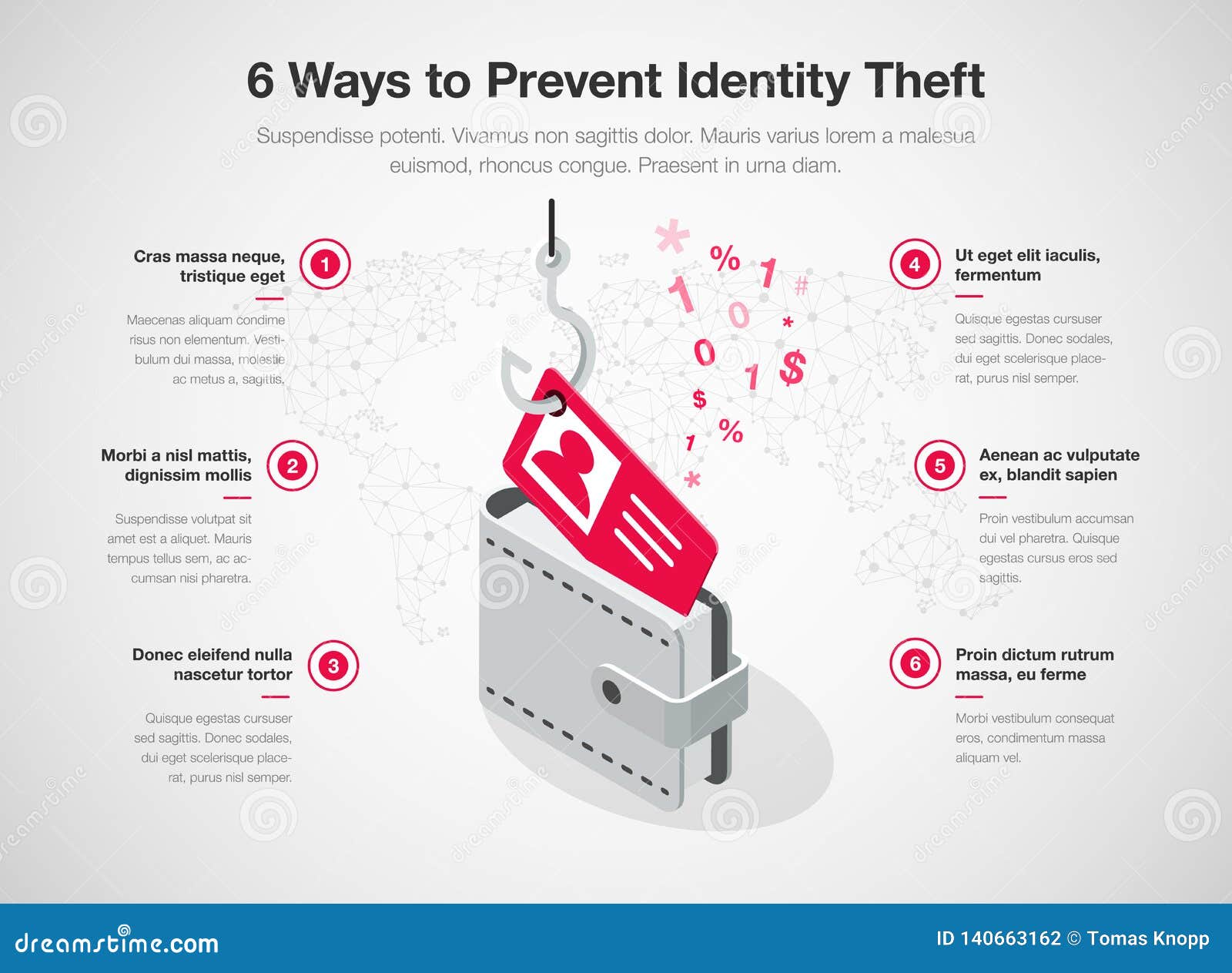
Let’s be real—identity theft is about as welcome as a raccoon at a picnic. You go about your day, minding your own business, and suddenly some digital grifter is buying jet skis in your name. Welcome to the party, pal. But you can dodge this mess with a few surprisingly simple—and occasionally paranoid—habits.
The Password Problem
First up: your passwords. If you still use “123456” or “password,” you are essentially handing over your wallet with a bow on it. Stop that. Hackers crack weak passwords faster than you can say “I regret this Netflix binge.” Use a password manager—it’s like a bouncer for your digital life, and it remembers all the gibberish so you don’t have to.
Here’s a surprising fact: the most common password of 2023 was “123456.” Alarming, right? That’s like leaving your front door unlocked with a neon sign that says “Rob me, please, I insist.” Make your passwords long, weird, and include a childhood inside joke only you get. Your birth year is not a secret—stop using it.
Must Read
Phishing: The Bait Everyone Swallows
You know those emails that scream “URGENT: YOUR ACCOUNT IS COMPROMISED”? They’re not from your bank. They’re from a guy named Vlad in a basement, probably eating cold pizza. Do not click the link. Scammers rely on panic, and panic turns smart people into click-happy zombies.
If an email looks fishy—misspellings, weird urgency, a promise of free cash—delete it with prejudice. Call the company directly if you’re worried, but never use the number in the email. That’s like trusting a barista who says “oh, I totally work here” while wearing a ski mask.
The Over-Sharing Trap
Here’s a rule: the internet doesn’t need to know your cat’s name, your mother’s maiden name, or the street you grew up on. That’s security question gold. Scammers scroll your social media like a shopping list, so stop posting your vacation photos while you’re still at the airport. It’s a literal invitation to burgle your house.
A surprising stat: one in three identity theft victims had their info stolen through social media. Your funny dog video could be a hacker’s new best friend. Check your privacy settings, and treat your personal details like they’re the last slice of pizza—guard them fiercely.
Mail: The Paper Trail of Doom
Your physical mailbox is a goldmine. It’s got bank statements, credit card offers, and those little “pre-approved” letters that are basically a thief’s starter kit. Shred everything. I mean everything—junk mail, old bills, that coupon for 10% off cat food. Identity thieves love unshredded paper almost as much as they love bad passwords.
If you’re going out of town, put your mail on hold. A overflowing mailbox is like a giant flag that says “Nobody’s home, come steal my tax returns.” Your mail carrier is not a bodyguard. And for the love of all that is holy, get a locking mailbox if you can. It’s cheaper than a new credit score.
 How To Prevent Identity Theft | 9 things that you can do tod… | Flickr
Free Wi-Fi: The Bait Shop
Free public Wi-Fi at your coffee shop? It’s a trap. Hackers can set up fake networks that look legit—like “Starbucks_Free” when the real one is “Starbucks_Guest.” One wrong click and they can see everything you’re typing, including your banking password. Don’t be that person.
Use a VPN if you absolutely must check your email on shady Wi-Fi. Otherwise, just use your phone’s hot spot. It’s slower, but it’s safer than playing Russian roulette with your identity. And please, for the sake of your sanity, do not do online banking at an airport terminal. That is a cry for help.
The Credit Freeze: Your Secret Weapon
Here’s the nuclear option: a credit freeze. It locks your credit report so no one—not even you, technically—can open a new account in your name without a special PIN. It’s free, it’s easy, and it makes you invisible to thieves. You can thaw it temporarily when you need a loan or a new credit card. Think of it as a hibernation mode for your financial soul.
A surprising fact: fewer than one in ten Americans use a credit freeze. That’s insane. It’s like having a free force field and choosing to wear a paper hat instead. Do it today—it takes ten minutes, and you’ll sleep better knowing Vlad can’t buy a jet ski in your name.
The Bottom Line
Look, identity theft is scary, but it’s not inevitable. You don’t need to live in a bunker eating canned beans. You just need a little paranoia, a shredder, and a password manager. Treat your data like it’s a grumpy cat—don’t let strangers pet it, keep it locked up, and never, ever leave it unattended in a public place.
So go ahead, enjoy your internet. Buy weird things, post questionable memes, and live your life. But lock the digital door behind you. Because identity theft is real, hilarious only in hindsight, and way easier to avoid than to fix. Stay sharp, my friend—and watch out for that email from “Prince Nigeeria.”
