Is Driving With Headphones On Illegal

Picture this: you’re cruising down the highway, your favorite playlist pumping through noise-canceling headphones, the world outside melting away. It feels like a private conc...
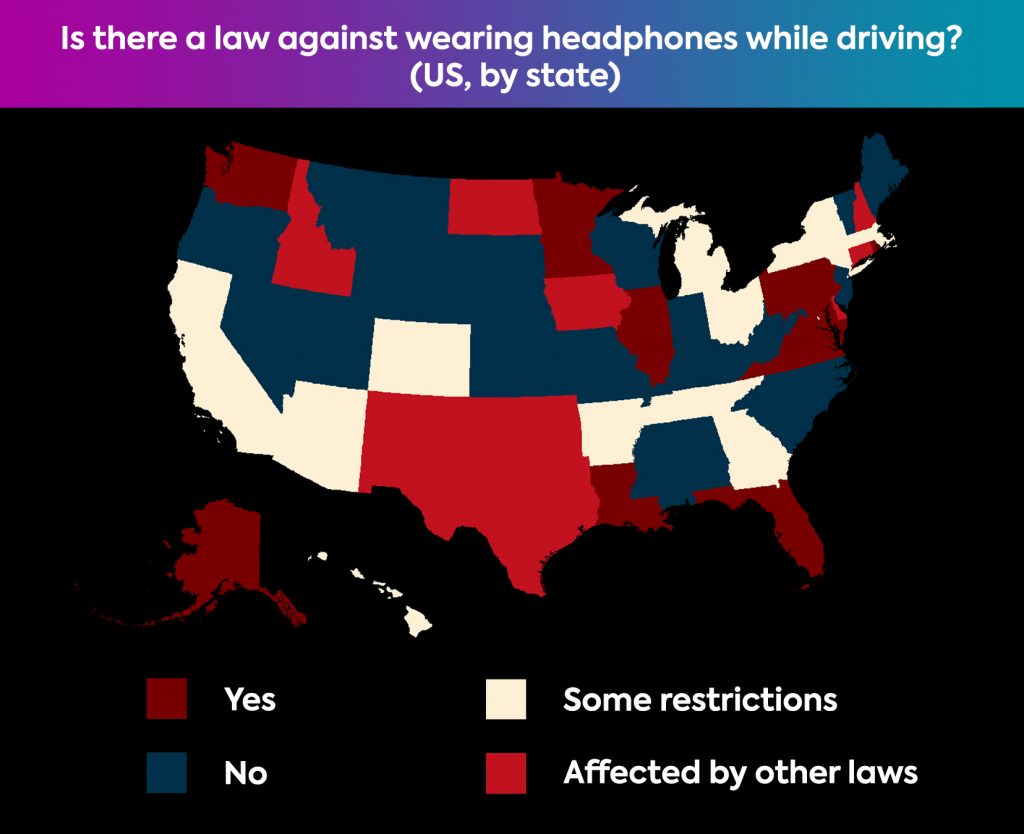
Picture this: you’re cruising down the highway, your favorite playlist pumping through noise-canceling headphones, the world outside melting away. It feels like a private concert, but a flashing siren in your rearview mirror might just be your encore. Is this blissful commute actually illegal? The answer, as with most things in life, is a delightful gray area.
The short, honest truth is that no federal law in the United States explicitly bans wearing headphones while driving. However, the devil loves to dance in the details of state legislation. As of 2024, roughly a dozen states, including California, New York, and Florida, have laws that specifically forbid drivers from wearing headphones or earbuds in both ears.
Fun fact: In California, the law allows for a single earbud, but only if it’s used for a hands-free phone call, not for listening to your true-crime podcast. It’s a loophole that feels like a legal version of peeking at dessert before dinner. Meanwhile, states like Ohio and Washington leave the judgment to the officer, often citing a broader law against “distracted driving” or “impaired senses.”
Must Read
The Sound of Silence vs. The Sound of Danger
Why do lawmakers care so much about your earworms? The core issue isn't the music volume; it’s situational awareness. Your ears are your second pair of eyes, picking up on critical audio cues that your brain needs to react.
Think about it: emergency vehicle sirens, a car horn blaring, the screech of tires on pavement, or even the rumble of a train at a crossing. Blocking those sounds is like closing one eye while trying to parallel park. You’re just not operating at full capacity.
This isn’t just paranoid safety talk. A 2020 study from the University of Florida found that drivers wearing headphones had significantly slower reaction times to audio alerts compared to those without. Suddenly, your drive becomes a silent film, and you’re missing the climax.
Practical Tips for the Tune-Loving Driver
So, how do you keep your cool without getting a ticket? First, check your local laws. A quick visit to your state’s Department of Motor Vehicles website is your best friend. It’s faster than waiting for a cop to explain it to you at a traffic stop.
Second, invest in open-ear headphones or bone conduction technology. Brands like Shokz or Bose’s open-ear models sit outside your ear canal, delivering audio while allowing ambient noise in. It feels like having a personal soundtrack that doesn’t mute the world.
If you must use traditional earbuds, stick to just one earbud in the ear away from the traffic side. It’s not a perfect fix, but it’s often the legal workaround in many states. Think of it as the “pirate captain” approach—one ear for the sea, one for the ship’s bell.
 Is it illegal to drive with headphones - Eisenberg Law Group PC
The Cultural Double Standard
It’s fascinating that we judge headphone use in cars harshly, yet many modern cars come equipped with noise-canceling technology. Luxury vehicles from Tesla, Mercedes, and Lexus actively seal out road noise to enhance sound quality from their premium speakers. Ironically, the car itself does the same thing headphones do—just with more leather.
Then there’s the motorcycle rider, helmet on, communicator in ear, blasting music at 80 miles per hour. They’re often legal, while a driver in a quiet sedan with earbuds gets a ticket. It’s a quirky inconsistency in our road culture. The key difference? Motorcyclists rely heavily on visual scanning, and helmets already block significant noise.
This cultural tension boils down to one question: Are you driving, or are you drifting? Headphones can make you feel like a star in a music video, but the road is not a set designer.
What About Passengers?
A common gray area is whether the rules apply to passengers. In most jurisdictions, the law targets the driver specifically. A passenger wearing huge over-ears is usually fine, though they might miss the driver’s chat about the wrong turn. Just don’t let them DJ your route from the back seat.
Some states, like Virginia, have vague wording that could snare a passenger if the officer deems them a “distraction” to the driver. It’s rare, but it’s a note for your road trip crew. Better to keep the party on the car speakers.
The Tech Solution Society Is Ignoring
Why don’t we just use transparency mode on AirPods or similar devices? Good question. While Apple’s transparency mode uses microphones to pipe in outside sound, it’s not perfect. It can create a slight latency delay, and it’s easily overridden by louder music.
 Driving With Headphones: Legal Or Illegal? Understanding The Law | LawShun
Tech experts argue that true pass-through audio is still inferior to natural hearing. Your brain processes sound with two ears to determine direction; a digital approximation can be disorienting. It’s like using a photocopy of a map instead of the real terrain.
For now, the safest bet is a decent pair of open-ear headphones or simply lowering the volume on your car’s built-in speakers. Let the outside world in just a little.
A Quick Cheat Sheet
If you’re in a rush, here’s the takeaway: One ear is generally safe; two ears are a gamble. States like New York, California, and Louisiana are strict; others like Texas and Arizona are more laissez-faire. Always check local laws before your next commute.
And if you’re feeling rebellious, remember that the ticket for distracted driving can cost you hundreds of dollars, not to mention the potential for an accident. Is that one song on repeat really worth the hassle?
The Final Reflection
Driving is one of the few moments in modern life where we’re required to be fully present. It’s a small, sliding-window time capsule of focus. When you put on headphones, you’re not just blocking noise; you’re blocking the rhythm of the road itself.
Maybe the best soundtrack for a drive isn’t a playlist at all—it’s the hum of the engine, your passenger’s laugh, or the sudden silence after a rain shower. Let the world be your ambient album. Next time you reach for those earbuds, ask yourself: Am I driving, or am I just along for the ride?
