Is It Safe To Send Bank Details By Whatsapp

We’ve all been there. You’re in the middle of a chaotic group chat about weekend plans, and someone needs to pay you back for the pizza you so generously fronted. Then it happ...
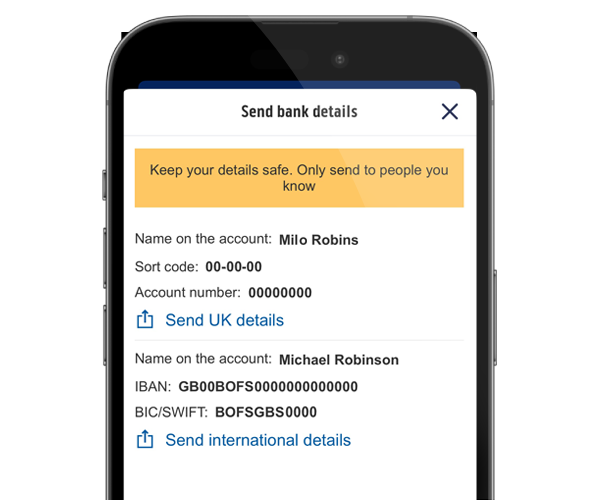
We’ve all been there. You’re in the middle of a chaotic group chat about weekend plans, and someone needs to pay you back for the pizza you so generously fronted. Then it happens. Your finger hovers over the “attach” button, and you’re literally one tap away from sending a screenshot of your bank details through WhatsApp. It feels as casual as sending a funny cat video, but is that actually a good idea?
Look, I get it. Sending bank details through WhatsApp feels as normal as ordering takeout these days. We use the app to share gossip, embarrassing childhood photos, and yes, account numbers. But just because you can fling your financial info through the same pipeline as a sweaty gym selfie doesn’t mean you should. Imagine handing your bank card to a stranger in a coffee shop, but you do it through a magic portal that copies your info—that’s basically what we’re doing.
The "Digital Postcard" Problem
Here’s the deal: WhatsApp messages are encrypted from you to the person you’re chatting with. That’s good—like a secret handshake between two friends. But think of it as a super-secure postcard. It’s great if only you and your friend read it, but if someone gets their grubby hands on your phone, that postcard is wide open.
Must Read
Your bank details aren’t just a lazy joke you shared in the group chat—they’re the keys to your financial kingdom. Once that screenshot lands on someone else’s device, you lose all control. It’s like sending a nude photo to a trusted friend, but instead of a photo, it’s your life savings. Your friend might be a gem, but what if their phone gets stolen the next day?
The "Friend-of-a-Friend" Nightmare
I once watched a buddy scramble when he accidentally sent his rent details to the wrong “Sarah” in his contacts. He had two Sarahs: one was his landlord, and the other was a girl he met once at a party. Suddenly, a complete stranger had his account number and sort code. Yikes. He didn’t lose money, but he spent a whole weekend panicking and changing passwords.
It’s not just about typos, either. Even if you send it to the right person, think about where that info sits. Your WhatsApp gets backed up to the cloud (Google Drive or iCloud). If someone hacks your cloud account—which happens more often than you’d think—they get a neat little folder of your finances. It’s like leaving your wallet on a park bench with a sign that says “Please steal.”
 WhatsApp Banking - Safe Software And Integrated Solutions
When It’s (Kind Of) Okay
Now, I’m not here to scare you into selling all your possessions for gold bullion. In some cases, sending bank details via WhatsApp is low risk. If you’re transferring money to your mom (who you trust with your life) and you know her phone is locked up like Fort Knox, go ahead. But for anyone else—especially for business or rental payments—it’s a gamble I wouldn’t take.
Think of it this way: Would you write your bank account number on a napkin and hand it to a waiter? Probably not. So why is sending the same info through a messaging app any different? The napkin at least gets thrown away; your WhatsApp message lives forever in a digital archive. If a hacker cracks your friend’s password two years from now, they’ll see your details in glorious high definition.
Better Alternatives (That Don’t Make You Look Like a Luddite)
The easiest fix is to use a payment link or a secure transfer service like Venmo, PayPal, or your bank’s own app. You literally don’t have to share your account number—the app does the heavy lifting. If the recipient asks for your details directly, you can say, “I’ll just send you a secure link,” and suddenly you’re the tech-savvy friend.
 Banking on WhatsApp: SBI Customer Data at Risk as Confidential
If you absolutely must share your numbers, use a tool like Signal (even more secure) or a one-time password generator. But honestly? Just read the numbers out loud over a phone call. Yes, I know it’s 2025 and phone calls feel like torture, but it’s safer than typing your financial soul into a text box. Your voice isn’t a screenshot.
Another trick: Split the information. Send the account number in one message and the sort code in another, an hour apart. If someone intercepts one, they only have half the puzzle. It’s not foolproof, but it’s like locking your front door—it keeps the honest people out.
The Final Verdict
So, is it safe? In a perfect world, with a perfect friend and a perfect phone, yes. But we live in the real world where people drop phones in toilets and accidentally message the wrong “Dave.” The safest move is to treat your bank details like you treat your toothbrush: Don’t share it, and definitely don’t leave it lying around in a group chat.
Next time you feel the urge to send that screenshot, pause. Take a deep breath. Then send a payment link instead. Your future self—who doesn’t have to deal with identity theft—will thank you. And if you really need to send it, at least make it a funny cat video first. Nobody ever lost their savings to a cat video.
