National Trust - Wordsworth House And Garden

I’ll be honest: I once got shushed in a historic house for trying to sniff a bedpost. It was at some stately home where the guide treated every cushion like a holy relic. I cr...

I’ll be honest: I once got shushed in a historic house for trying to sniff a bedpost. It was at some stately home where the guide treated every cushion like a holy relic. I crept away, feeling like a naughty toddler. So, when I rolled up to the National Trust’s Wordsworth House and Garden in Cockermouth, I braced for more of the same. I was ready to be told off for breathing too loudly.
Instead, I found myself shouting at a volunteer about the quality of 18th-century laundry soap. She didn’t shush me. She nodded, handed me a clothespin, and pointed to the washing line. That’s the thing about this place: it breathes. It doesn’t just show you history; it lets you rumple the sheets, metaphorically speaking.
This is the childhood home of William Wordsworth—yes, that Wordsworth, the “I wandered lonely as a cloud” guy. But don’t expect a stuffy museum dedicated to his poetry. The house is deliberately messy, or as they call it, “lived-in.” It’s set in 1770, when young Willie was running around with a snotty nose and muddy knees.
Must Read
The Garden: A Slightly Unruly Friend
Step outside, and the garden doesn’t exactly curtsy at you. It’s not a manicured Versailles. It’s a kitchen garden gone slightly feral, bursting with cabbages, herbs, and flowers that look like they’re having a loud argument. You half-expect a goose to chase you out.
And guess what? You can touch everything. I brushed against a lavender bush and smelled exactly what Wordsworth smelled. The garden team wants you to do this. They aren’t there to wag a finger; they’re there to tell you which nettles sting the least. It feels like visiting a friend’s eccentric aunt who grows her own chamomile.
Volunteers: The Real Heroes
The volunteers here are a breed apart. Forget the dusty curator with a monocle. One lady—let’s call her Brenda—spent ten minutes explaining how they dye wool using onion skins. She was so passionate I almost bought a sheep. (Side comment: I didn’t. My garden shed is too small.)
Another guy, a retired teacher, showed me how to write with a quill. My handwriting looked like a spider had a seizure on the paper. He laughed and said, “Wordsworth’s first drafts were worse.” That kind of honesty makes history human. You realize these famous people were just clumsy, brilliant humans who probably spilled tea on their waistcoats.
Why It Works (And Doesn’t Feel Like Homework)
Most historic houses give you a lecture. This one gives you a feeling. You walk into the kitchen, and a fire is crackling. There’s a pot of stew bubbling, and the air smells like bread and woodsmoke. You can see the family crowding around the hearth.
 National Trust: Wordsworth House and Garden | crocc | Flickr
Wordsworth himself wrote that poetry “takes its origin from emotion recollected in tranquility.” This house is that emotion in physical form. He grew up here, losing his mother at eight and his father later. The place isn’t just a pretty backdrop—it’s the womb of his imagination. The garden’s wild tangle probably taught him that nature doesn’t obey rules.
The Best Bit: The Kitchen & The “Do Not Touch” Myth
There is a sign that says “Do Not Touch” in one room. I nearly fainted. But then I realized it was attached to a reproduction of a delicate hat. The real stuff is behind glass, sure. But most of the house is dressed with “hands-on” items. You can try on aprons, pick up replica clogs, and pretend you’re a scullery maid.
Let me tell you: clogs are surprisingly comfortable. I wore them for a solid five minutes. I felt like a time-traveling clog model. (I do not recommend this for anyone with weak ankles.) The volunteers just smiled. They know the house is a mess, and they love it.
A Quick Reality Check
Yes, it’s a National Trust property, so you’ll need to pay or become a member. Yes, it can get busy on summer weekends. But unlike some over-polished estates, this one wears its age like a favorite pair of jeans. It’s not trying to impress you with gold leaf.
It’s trying to make you feel the weight of a winter in 1775. The cramped rooms remind you that Wordsworth shared a bed with his sister Dorothy. No Wi-Fi, no central heating—just a coal fire and a whole lot of imagination. Makes my own complaints about slow internet feel embarrassingly shallow.
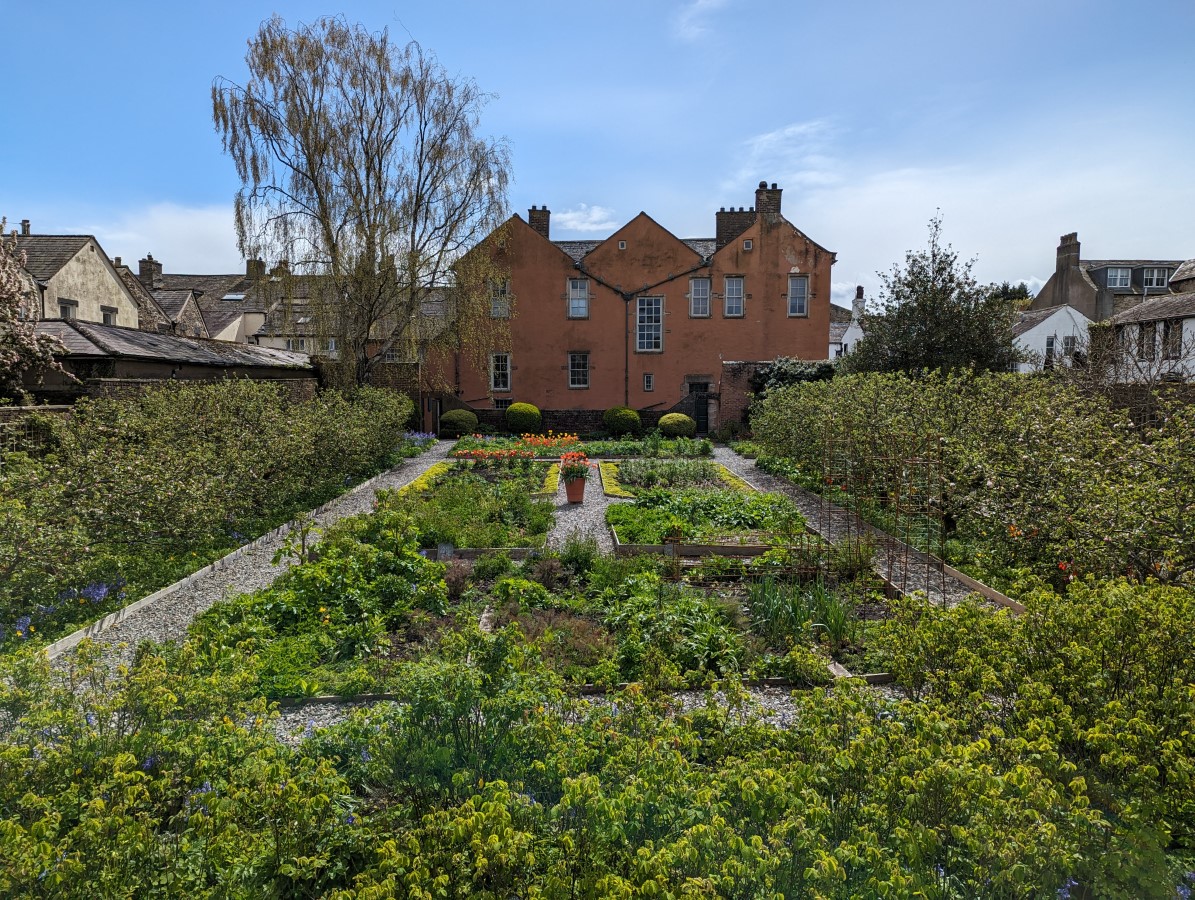 Wordsworth House and Garden - House and Garden - National Trust
The Visitor Experience: Quirky and Unforgettable
At the end of my visit, I sat in the garden with a cup of tea. A bee landed on my sleeve. I didn’t shoo it away. I imagined Wordsworth watching the same bee, writing about it in a grumpy notebook. The tea was slightly weak—they use loose leaves—but it felt more real than any fancy latte.
You can also buy Wordsworth’s poetry in the shop, obviously. But the real souvenir is the way the house makes you look at a dandelion. Suddenly, a weed becomes a poem in waiting. That’s the magic trick they pull here: they make the ordinary feel spectacularly worth it.
Is It for You? (Spoiler: Probably)
If you love history that feels alive, yes. If you hate being herded through velvet ropes, definitely. If you think William Wordsworth is overrated and fusty, this place might change your mind. It shows you the boy behind the bearded portrait.
The house doesn’t pretend to be perfect. The walls are a little wonky. The garden paths are muddy. But that’s precisely why I’d go back tomorrow. It’s a house that lived, not just stood still. And for a few hours, it lets you live in it too.
I walked out smelling like woodsmoke and lavender. I didn’t shush anyone. I didn’t get shushed. And for once, I left a historic house feeling like I’d actually visited it, not just skimmed a brochure. If that’s not worth the drive to Cockermouth, I don’t know what is.
