North London Heat And Power Project

So there I was, standing in a field in Edmonton, north London, on a grey Tuesday morning. A friend had dragged me to see a “community energy project” — which sounded about as...
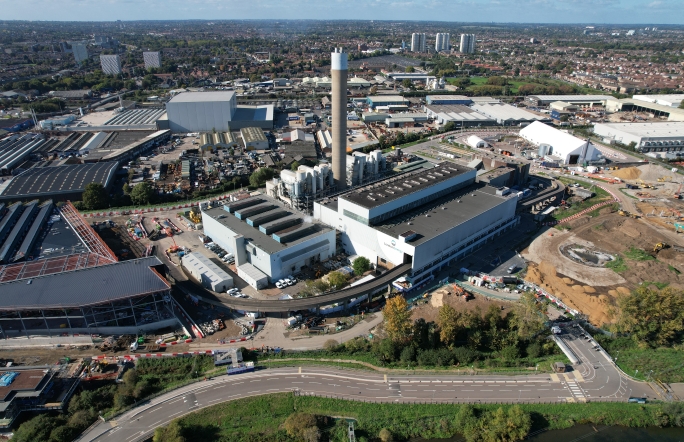
So there I was, standing in a field in Edmonton, north London, on a grey Tuesday morning. A friend had dragged me to see a “community energy project” — which sounded about as exciting as watching paint dry, honestly.
But then I saw it: a huge, futuristic building that looked like a giant’s silver suitcase had been dropped onto the green. And inside? Machines that swallow rubbish and turn it into actual electricity.
That’s the North London Heat and Power Project (NLHPP) in a nutshell. But it’s way more than a fancy incinerator—it’s the city’s weird, wonderful, and slightly messy attempt to deal with its own trash problem while keeping the lights on. And yes, you should care, because your banana peel might end up powering your kettle.
Must Read
The Not-So-Glamorous Reality of Rubbish
Let’s get one thing straight: London produces a mountain of waste. Like, Everest-level garbage. For decades, a lot of it was sent to landfill in places like Essex, which is basically saying, “Here, countryside, deal with our leftovers.”
But landfill is a terrible landlord. It leaks methane, smells like a bad decision, and takes up space we don’t have. So the NLHPP was born — a £1.2 billion plant that’s basically a waste-to-energy beast. It burns non-recyclable rubbish at 850°C to create steam, which spins turbines, which makes electricity for about 127,000 homes. (That’s a lot of kettles, my friend.)
Wait—Burning Stuff? Isn’t That Bad?
Fair question! If you’re picturing a giant smoky bonfire, relax. This isn’t your granddad’s incinerator. The plant uses state-of-the-art filtration — think massive scrubbers and bag filters that catch 99.9% of pollutants. And the heat? It’s captured and piped to nearby homes via a district heating network. (Imagine your radiators being powered by last week’s pizza boxes.)
 About the Edmonton EcoPark | North London Heat and Power Project
Does that make it perfect? No way. Critics argue it still releases CO₂, and they’d rather we just recycled everything. But here’s the ironic bit: we’re terrible at recycling. Only about 45% of London’s waste gets recycled, so the rest has to go somewhere. Burning it for energy beats burying it — for now.
The Drama Behind the Plant (Because of Course There Is)
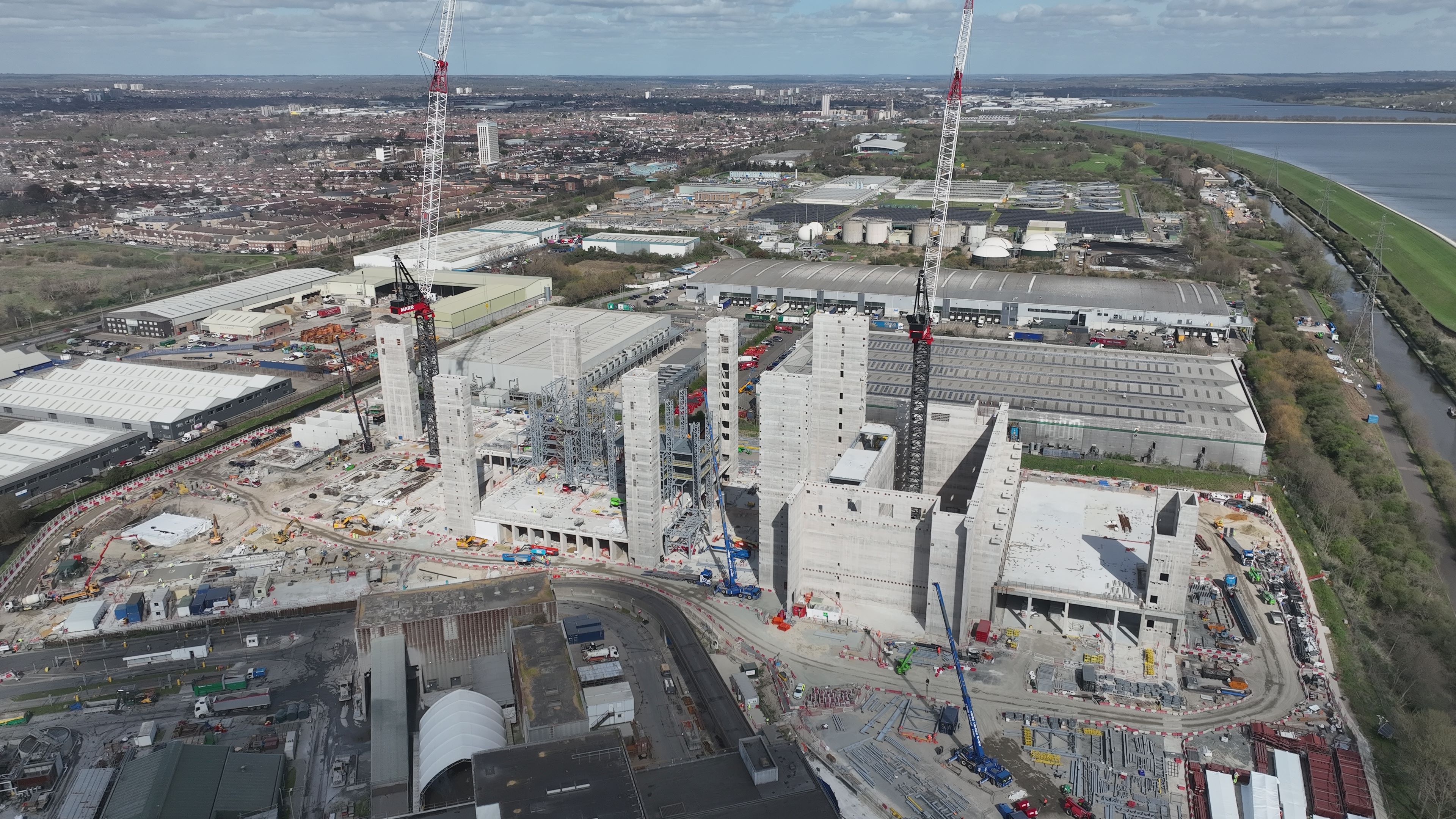
This project has been a soap opera since day one. It was originally meant to open in 2021, but delays, budget overruns, and a little thing called a pandemic pushed it to 2026. Construction workers have been digging a hole so deep you could hide a small dinosaur in it. (I checked — no dinosaurs yet.)
And the local residents? Some are thrilled. “Finally, we’re not just a dumping ground,” one Edmonton shopkeeper told me. Others are suspicious. “They say it’s clean, but who’s checking?” a woman muttered over her tea. That tension is real — and honestly, I get it. No one wants a “trash factory” in their backyard unless they see it working cleanly.
The Secret Weapon: Heat Networks
Here’s the cool part you might miss in the news. The NLHPP isn’t just a power station — it’s also a heat hub. Hot water from the burning process will flow through underground pipes to warm homes, schools, and even a hospital in Islington. Yes, your hospital’s radiators might one day be heated by your unrecyclable yogurt pots. Karma, right?
 Project | North London Heat and Power Project
This isn’t sci-fi. Copenhagen and Helsinki have done it for decades. But in London? It’s a revolution. The city’s ancient Victorian gas pipes look on in jealous horror.
What This Means for You (Yes, You with the Coffee Cup)
Next time you toss a used coffee cup into the “general waste” bin, imagine it ending up here. That cup — if it’s non-recyclable — will become part of a 10-tonne crane grab, then a fiery furnace, then a flicker of light in your neighbour’s bedroom. Weirdly poetic, isn’t it?
But the NLHPP also forces us to ask an uncomfortable question: Should we be making energy from waste, or should we be making less waste? The plant is a brilliant patch, but it’s a patch nonetheless. The real win is recycling more, but let’s be honest — we’re not there yet. So for now, this silver suitcase in Edmonton is a step forward, a messy compromise, and a pretty impressive piece of engineering.
P.S. If you ever visit, try the view from the top floor. It’s oddly beautiful, looking down at the city’s leftovers. And bring earplugs — those turbines are loud.
