Signs Of Heat Stroke In Cats

Picture this: your cat, that furry little tyrant who rules your home, suddenly starts acting like a melted puddle of regret. It’s a scorcher outside, and Mr. Whiskers is looki...
Picture this: your cat, that furry little tyrant who rules your home, suddenly starts acting like a melted puddle of regret. It’s a scorcher outside, and Mr. Whiskers is looking less like a sleek predator and more like a wet dishrag. Heat stroke in cats is no joke, but spotting it doesn't have to be a drama—unless you count your cat’s dramatic, slow-motion flop onto the cool kitchen tile as high theater. Let’s dive into the warning signs, served with a side of sarcasm and a pinch of genuine concern.
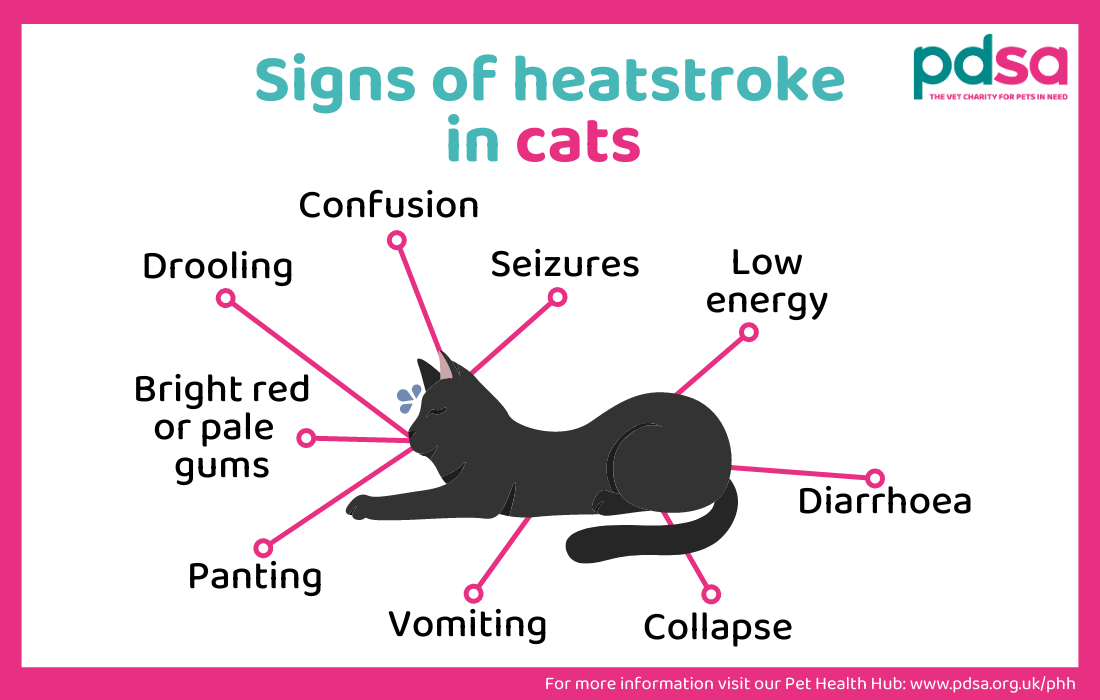
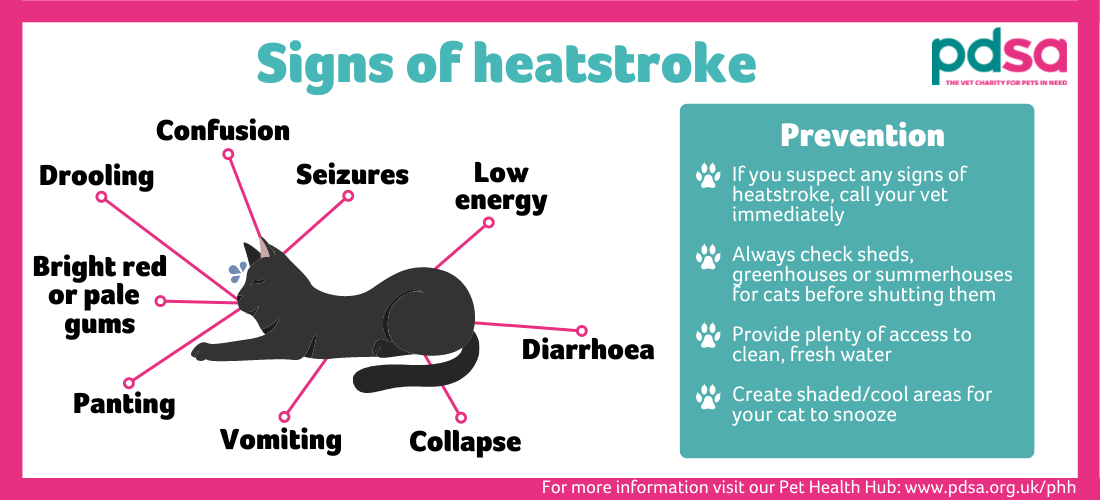
First, a shocking truth: cats are not tiny dogs. They don’t pant like happy, tongue-flapping idiots at the park. When a cat starts panting with its mouth wide open, it’s not being cute—it’s basically screaming “I’m cooking from the inside!” Panting in a cat is a red flag the size of a billboard. If your feline friend looks like it just ran a marathon in a fur coat, put down the iced coffee and pay attention.
The Meltdown Checklist: What to Look For
You’ll know your cat is overheating when it starts acting like a grumpy teenager who lost their phone charger. Excessive drooling is a classic sign—think less “hungry for a treat” and more “I’m a faucet of despair.” One minute they’re licking their paw, the next they’re leaving puddles of saliva on your favorite rug. Surprise: cats don’t sweat through their skin like we do; they sweat through their paws, but when the system overloads, the mouth becomes a water park.
Then comes the wobbly drunk walk. If your cat is stumbling around like it’s had three too many catnip cocktails, that’s not funny—it’s a brain frying in its own juice. Heat stroke affects the nervous system, turning your graceful acrobat into a clumsy mess who can’t even land a simple jump onto the sofa. If they’re staggering or collapsing, it’s time to panic, not post a TikTok.
Red Gums and Hot Ears: The Puppet Show
Lift your cat’s lip—if the gums are bright red, like a ripe tomato or a fire truck, that’s a problem. Normal cat gums are pale pink, not the color of a stop sign. Also, feel their ears: if they’re hot enough to fry an egg, congratulations—you’ve got a mobile microwave on your hands. A surprising fact: a cat’s normal body temperature is around 101–102°F, but heat stroke can shoot it up to 105°F or higher. That’s not “warm and fuzzy”; that’s “call the vet, stat.”
 How To Cool Down A Cat With Heat Stroke at Terry Swenson blog
Another giveaway: vomiting or diarrhea. Yes, your cat might be trying to decorate your floor with a Jackson Pollock of regret. This isn’t a hairball situation—it’s the body’s desperate attempt to cool down by ejecting everything inside. If your cat is also suddenly lethargic and hiding in a dark corner, they’re not being dramatic; they’re in survival mode. Cats are masters of disguise, but heat stroke uncovers their true, pathetic state.
Why Cats Are Terrible at Summer
Fun fact: cats evolved from desert-dwelling ancestors, so you’d think they’d be heat-proof. Wrong. Modern house cats are practically solar-powered drama queens who’d rather melt than move. They don’t know how to pace themselves—they’ll play like maniacs for ten seconds, then collapse in the sunbeam like a baked potato. The risk doubles in humid weather because panting doesn’t work as well when the air is thick as soup.
Surprisingly, flat-faced cats are the hot mess champions of the world. Persians, Himalayans, and Exotic Shorthairs have squished noses that can’t cool air efficiently. If your cat looks like it ran into a wall and lived, keep them inside during heat waves—or they’ll become a furry tragedy. And don’t trust a cat’s instincts: they’ll stay in a boiling room until their whiskers curl, just to prove they’re tough. Spoiler: they’re not.
 Heatstroke in Pets: How to Recognise, Prevent, and Respond | MustCare
What You Can Do (Besides Yelling at the Sun)
If you spot these signs, don’t toss your cat into a bucket of ice water. That shock can kill them faster than the heat. Instead, move them to a cool, shaded area, offer a small amount of room-temperature water (not ice-cold—they’ll get brain freeze and hate you), and moisten their paw pads and ears with a damp cloth. Fan them gently, but avoid a wind turbine—they’re cats, not sailboats.
And then call your vet immediately. Don’t wait to “see if they get better”—cats have a knack for hiding pain until they’re one paw from the rainbow bridge. A shocking statistic: heat stroke can cause organ failure in under an hour. So yes, that’s the part where you stop laughing and start driving. Your cat will repay you by ignoring you for a week, but that’s just the price of love.
In summary: keep your cat cool, watch for the panting wobble wobble, and remember that a cat in heat is not a good thing. You’re the brain in this relationship—use it. Now go close those blinds and pour yourself a cold drink. Your cat will thank you by not dying on your floor.
