Social Rent Vs London Affordable Rent

Picture this: my mate Sarah, a graphic designer with a steady income but zero savings, spent three years refreshing the London property portals like a gambler at a slot machin...
Picture this: my mate Sarah, a graphic designer with a steady income but zero savings, spent three years refreshing the London property portals like a gambler at a slot machine. She finally got a call about a “Social Rent” flat in Hackney, only to be told it was actually “London Affordable Rent”—and the price had jumped by £200 a month. She laughed, then cried a little, then spent the evening doom-scrolling Rightmove. Sound familiar?
Welcome to the wonderfully confusing world of London’s rental jargon, where “affordable” and “social” are elastic words that stretch faster than a Primark T-shirt. If you’ve ever tried to navigate the fine print of a council housing list, you know the pain. Let’s untangle these two beasts, shall we?
Social Rent: The Golden Ticket (That’s Basically Extinct)
In theory, Social Rent is the dream. It’s calculated as about 50-60% of the market rent in your area, sometimes even less for older tenancies. Think of it as the rent your gran paid in 1985, but with slightly better plumbing. The catch? New social homes are as rare as a quiet tube carriage during rush hour.
Must Read
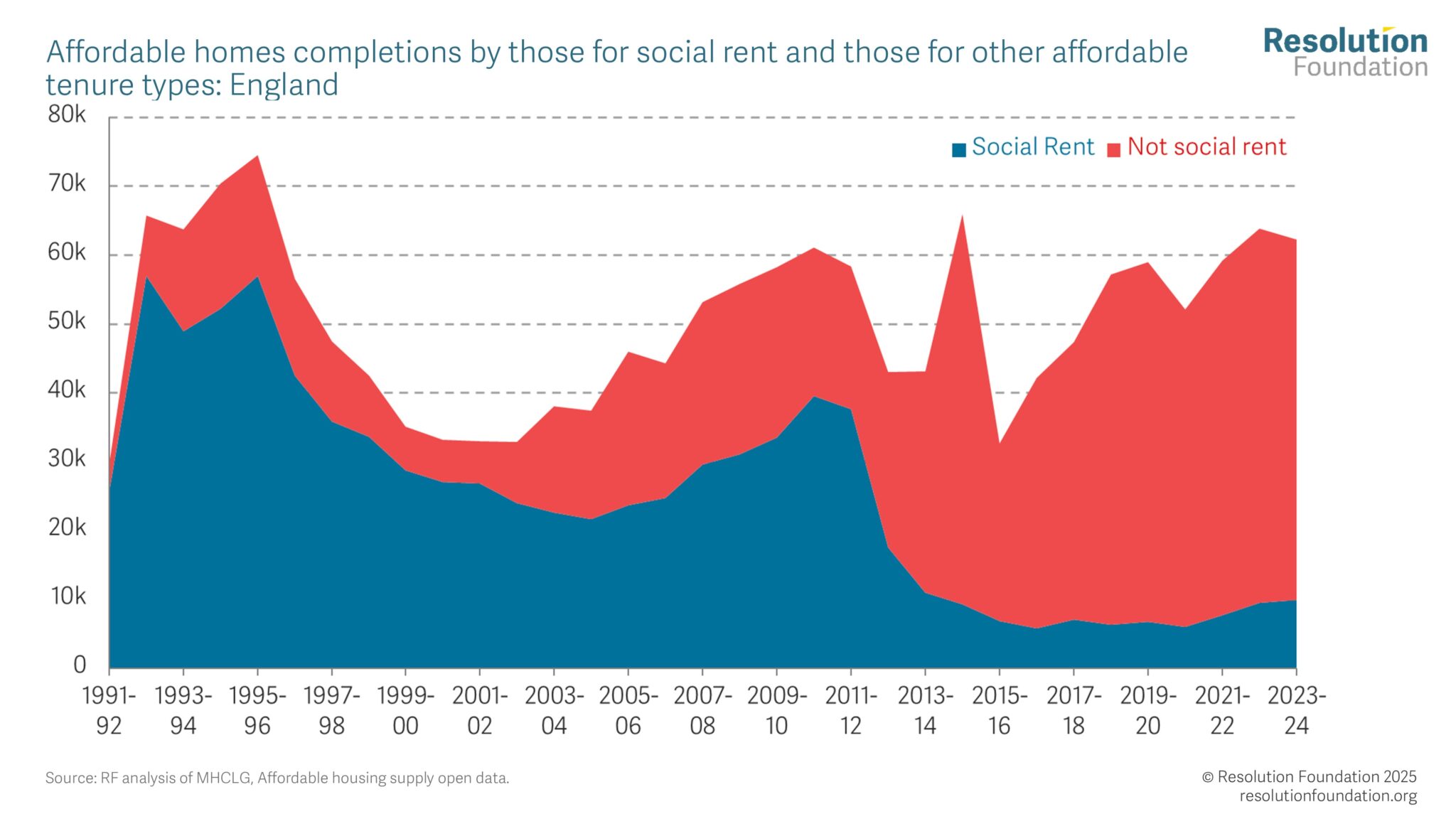
Local councils and housing associations used to build loads of these. Now, thanks to funding cuts and a property market gone bonkers, new Social Rent builds have slowed to a crawl. If you score one, you’ve basically won the housing lottery—congratulations, you’re now richer than a banker (in spirit, at least).
London Affordable Rent: The “Kind of, Sort of” Compromise
Enter the 2011 policy child: London Affordable Rent (or LAR). This was meant to bridge the gap between social rent and the terrifying market. It’s set at up to 80% of the local market rent—which, in a city where a shoebox costs £1,500 a month, is still eye-watering. Wait, so it’s “affordable” but actually costs more than Social Rent? Yes. Yes, it does. You’re catching on.
The logic, if you can call it that, was to let housing associations charge higher rents to fund new builds. “But won’t that price out the very people it’s meant to help?” you ask. Bingo. You’ve just spotted the elephant in the living room. A one-bed in Zone 3 might be £1,000 a month on LAR, while the social rent for the same flat would be £600. That £400 difference is a monthly grocery shop for a family.
 Weekly Update From Councillor Guy Lambert
But Wait—There Are (Some) Protections
Here’s the irony: both Social Rent and London Affordable Rent are technically “regulated.” You can’t be evicted without a legal battle, and your rent rises are capped. But the devil’s in the starting number. With Social Rent, you start low and stay low. With LAR, you start high-ish and still get annual rises (usually CPI + 1%). Over five years, that gap becomes a chasm.
Also, who actually qualifies? Both schemes use the same maddening points system based on income, household size, and how many times you’ve been homeless. But because LAR is pricier, you might be just too poor to afford it—while being too rich for Social Rent. Classic London: the middle is a myth.
The Real Question: Why Do We Even Have Two?
In a sane world, “social” would mean social, and “affordable” would mean affordable to the average worker. Instead, we got a political fudge. London Affordable Rent was born in 2011 as a way to make housing “viable” for developers without actually fixing the broken system. It’s like putting a Band-Aid on a bleeding artery—and then charging you for the Band-Aid.
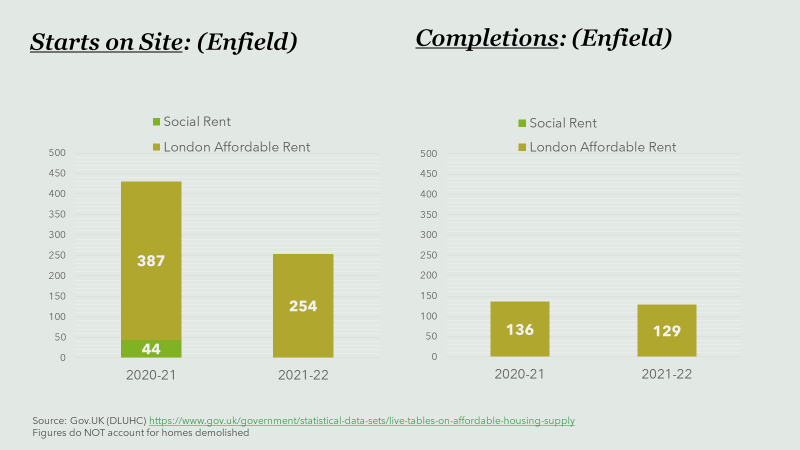 No new Social Rent Housing in Enfield for past 2 years. – Better Homes
And here’s the kicker: many councils now only offer London Affordable Rent for new builds, because Social Rent is “unsustainable” (read: doesn’t please the financiers). So you wait years for an offer, only to discover you’re paying market-like rent for a flat that’s still poorly insulated. Great.
So, Which One Should You Chase?
If you see “Social Rent” on an application form, sell your soul and apply twice. It’s the warmer, cheaper, more secure option. London Affordable Rent? It’s better than private renting (the landlord can’t double your rent overnight), but don’t mistake it for a bargain. It’s the housing equivalent of “economy plus”—slightly better, but you’re still in the cheap seats.
My top tip? Get on every waiting list that exists. Social, affordable, co-op, living rent, maybe even a tent in a park (kidding—kinda). The system is a messy, bureaucratic maze, but knowing the difference between these two might save you a few grey hairs. And if all else fails, move to a mid-sized city where rent doesn’t require a second mortgage. But then you’d miss the drizzle, right?
Good luck out there, fellow rent-sufferer. May your application forms be short and your viewings be leak-free. You’ll need it.
