Was Queen Charlotte Black In Real Life

We’ve all seen the regal glow of Queen Charlotte in Bridgerton, a character who sparked a global conversation. But the question lingers, often whispered at brunch or debated o...

We’ve all seen the regal glow of Queen Charlotte in Bridgerton, a character who sparked a global conversation. But the question lingers, often whispered at brunch or debated on social media: was Queen Charlotte Black in real life? Let’s settle into this like a cozy afternoon chat, mixing history with a dash of fun.
The real Queen Charlotte, wife of King George III, lived from 1744 to 1818. What catches historians’ eyes is her possible African ancestry, traced through her Portuguese family line. A 1996 article by historian Mario de Valdes y Cocom made the case that she descended from a Black branch of the Portuguese royal family, specifically from Alfonso III and his Moorish mistress.
Now, let’s be real—no portrait of her screams "Black" by modern standards. She’s often painted with pale skin, rosy cheeks, and a high forehead. But descriptions from her time note her "mulatto" or "swarthy" features, a subtle nod to non-European heritage that courtiers whispered about.
Must Read
Think of it like old family photos that don’t tell the whole story. Evidence suggests her family tree had roots in the Moorish occupation of Portugal. That doesn’t mean she identified as Black, but it does mean her ancestry was more diverse than most whitewashed history books admit.
Why Bridgerton Made It a Thing
Let’s credit Shonda Rhimes for hitting the pulse. In Bridgerton, Queen Charlotte is unapologetically Black, with a storyline that celebrates diversity in Regency England. It’s a creative reimagining, not a documentary, and that’s totally fine.
The show’s choice forced a debate: "Did they just invent this?" No, they amplified a theory that had been sitting in academic journals for decades. It’s a perfect example of art reflecting life—or at least, life’s hidden pages.
Fun fact: The real Charlotte was a passionate patron of Mozart, who dedicated six sonatas to her. Imagine her at a harpsichord, mixing high culture with a lineage that might have been more global than we knew.
Practical Tip: How to Talk About History Without Fighting
When this topic comes up, lead with curiosity, not certainty. Say, "Isn’t it fascinating how history isn’t always black and white?" This keeps the conversation open and avoids the trap of debating pure facts.
If someone insists she was "completely white," gently share the Portuguese link. It’s not about winning—it’s about expanding how we see the past. History is a mosaic, not a single selfie.
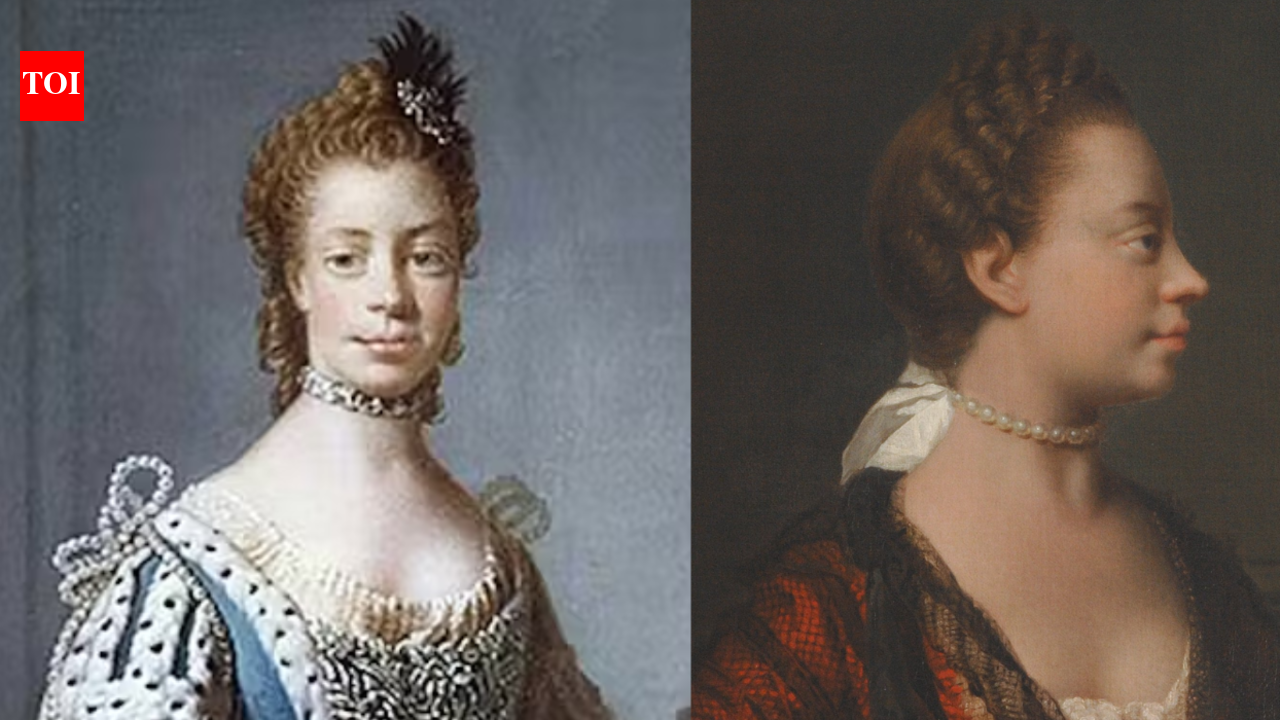 Was Britain’s Queen Charlotte really black? Netflix’s Bridgerton star
And if you’re a genealogy nerd, use sites like Ancestry.com to explore royal bloodlines. You might find your own surprises (hello, 10th cousin twice removed from a Polish king).
Cultural References That Hit Different
Remember the 1995 film Jefferson in Paris with Thandie Newton? She played a mixed-race character connected to the French court. Charlotte’s story feels like a real-world cousin to that—a hidden thread in the tapestry of European royalty.
Even the Beyoncé of it all applies. In her "Black is King" visual album, she redefines royalty. Charlotte’s possible African heritage resonates with that same energy: you don’t need a crown to be regal, but if you have one, wear it boldly.
Pop culture often outpaces historians. Just look at how Hamilton made Alexander Hamilton a household name with a diverse cast. Charlotte’s story is our version of that—a historical might-have-been that feels essential now.
Fun Little Facts for Your Next Dinner Party
Charlotte had 15 children, 13 of whom survived infancy. That’s a lot of royal diapers. She also introduced the Christmas tree to England—a German tradition we all love today.
Her husband, King George III, went mad (porphyria, likely). But Charlotte was a calm anchor in the storm of his episodes. She even helped fund the Royal Maternity Charity for poor women.
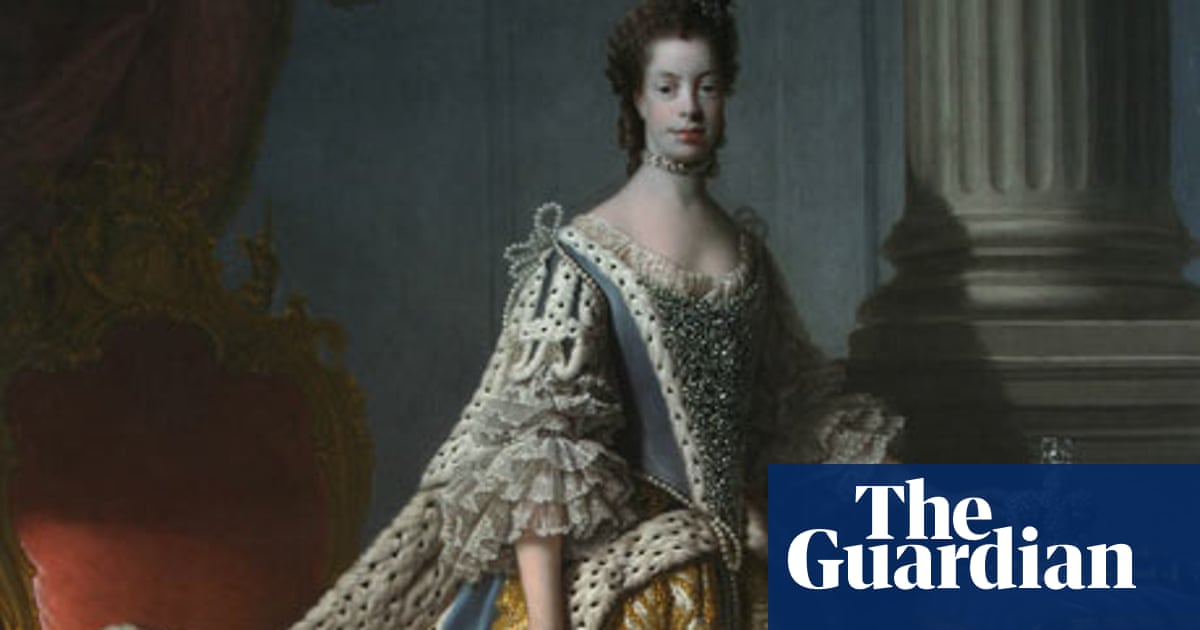 Was this Britain's first black queen? | Race | The Guardian
And here’s a juicy detail: she was described as "not handsome" by her own mother-in-law. Ouch. But that didn’t stop her from being a fashion icon, popularizing huge hair and intricate jewelry.
The Real Verdict
So, was she Black? Historiographically, the answer is "likely had African ancestry," but not in the modern sense of racial identity. She lived in a world where "Black" meant something different, and her mixed heritage was likely erased to maintain royal purity.
What matters more is how we use her story today. It’s a reminder that history is fluid, shaped by who tells it. We don’t need a DNA test to grant her a place in the conversation about Black representation.
Think of it like this: our ancestors always had more color than we give them credit for. That’s a beautiful, messy, human truth.
A Short Reflection for Your Daily Life
Next time you scroll through your family photos, consider the stories you don’t know. Maybe your grandmother’s "olive skin" came from a traveler, or your cousin’s curls have a history deeper than a bottle of conditioner.
Identity is not just DNA—it’s choice. Charlotte’s story invites us to embrace complexity. In a world that loves labels, being a little "both and" is a superpower.
So pour yourself a cup of tea (like Charlotte would have), and celebrate the mystery of who we really are. History, like life, is best lived with an open mind and a big heart.
