What Are Gel Packs Made Of

Ever grabbed a gel pack from the freezer to soothe a sore wrist, or tossed a hot one into your kid’s lunchbox to keep their mac and cheese warm? You’ve probably never stopped...

Ever grabbed a gel pack from the freezer to soothe a sore wrist, or tossed a hot one into your kid’s lunchbox to keep their mac and cheese warm? You’ve probably never stopped to wonder, “What’s actually inside this squishy little bag?” It’s a fair question, and the answer is way more interesting than you might think. Let’s peek inside that pouch, like a curious chef examining a strange new ingredient.
The Basic Recipe: Water and Something to Keep It Liquid
At its core, a gel pack is mostly water. That’s the secret to its superpower—water holds a ton of heat energy. But if you just freeze a bag of pure water, it turns into a solid, rock-hard block that’s useless for molding around your ankle. That’s where the “gel” part comes in.
To stop the water from freezing into an ice cube, manufacturers add a thickening agent. The most common one is sodium polyacrylate, a super-absorbent polymer you might recognize from diapers or the “instant snow” science kit your kids begged for. This powder absorbs the water and turns it into a slushy, squishy gel that stays flexible even when frozen.
Must Read
Think of it like making gravy. Plain water is just watery; add a little cornstarch, and you get a smooth, pourable sauce. Sodium polyacrylate does the same job for your gel pack, keeping it from becoming an ice hockey puck.
The Cold Pack Science: Why It Stays Cold So Long
Ever notice how an ice cube melts in ten minutes, but a gel pack stays chilly for what feels like forever? The reason is water’s high specific heat capacity. That’s a fancy way of saying water is a real hoarder of cold energy—it takes a lot of heat from your body to warm it up.
Because the gel inside is mostly water, it can absorb a ton of warmth before it actually starts to get warm itself. So when you press it against a throbbing knee, the pack basically acts like a cold sponge, soaking up the heat from your injury without warming up too fast. It’s your personal, reusable ice cube that actually does the job.
And the gel texture is key. Unlike an ice cube that leaves sharp, painful pressure points, the gel molds perfectly to the shape of your body. It’s like a cold, comforting hug for your sore muscles.
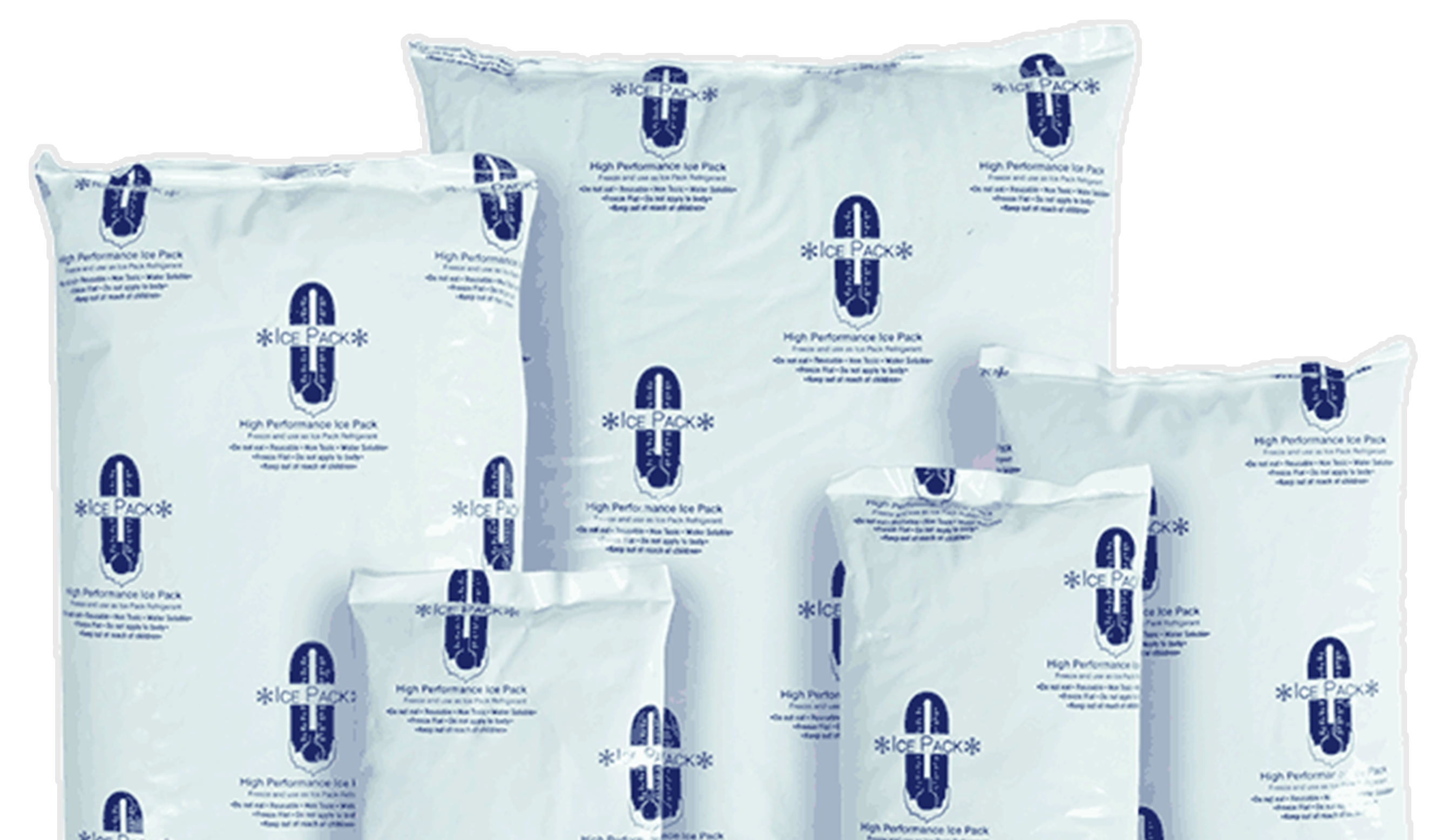 What Makes Ice Packs Cold
The Hot Pack Twist: A Different Kind of Magic
Now, what about the packs you pop in the microwave for warmth? Those are a slightly different breed. Instead of sodium polyacrylate, they often use propylene glycol or glycerin. These are food-grade liquids that don’t freeze easily, and they hold heat really well.
When you microwave that pack, the glycerin or propylene glycol acts like a little heat battery. It stores the microwave energy and releases it slowly over the next half hour, wrapping you in a cozy, steady warmth. Have you ever used a hot rice sock? Same idea, but with better staying power and less chance of smelling like burnt popcorn.
Some hot packs even contain sodium acetate, which creates heat through a chemical reaction—you click a little metal disc and the liquid instantly crystallizes into a warm, solid blob. That’s the same stuff in the reusable hand warmers skiers love. It’s like a tiny, harmless magic trick you can hold in your palm.
Why Should You Care? (Besides Being a Smart Cookie)
Knowing what’s in your gel pack matters because safety comes first. The outer pouch is usually made of a tough nylon or vinyl, but if that leaks—say, your dog gets curious or you accidentally sit on it—you don’t want mystery chemicals oozing onto your skin. Most gel pack materials are non-toxic, but they can be irritating to eyes or a cut.
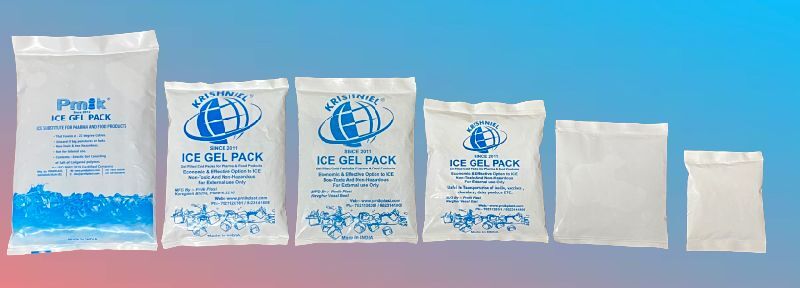 Plain Plastic Gel Packs (HDPE), Size : 12x10inch, 14x10inch, 14x12inch
It also makes you a smarter shopper. If you need a pack that stays flexible in the freezer, check for “non-toxic silica gel” or “food-grade glycerin.” If you’re using it for lunchboxes, look for packs labeled “BPA-free” for extra peace of mind. It’s like reading a food label, but for your aches and pains.
And here’s a fun bonus: because they’re reusable for years, gel packs are a small win for the planet. Instead of buying disposable ice packs for every bumped head or sprained ankle, you’ve got a tool that’s ready for hundreds of uses. That’s a lot less plastic waste in the landfill.
A Little Story to Wrap It Up
Last week, my friend Sarah dropped a cast-iron skillet on her foot. Instead of panicking, she calmly grabbed her gel pack from the freezer, wrapped it in a towel, and said, “It’s okay, it’s just sodium polyacrylate and water. It’ll be fine.” She sounded like a tiny, brave chemist. And you know what? Her foot was fine within an hour.
So next time you reach for that squishy, cold or hot bag, give it a little nod of appreciation. It’s simple stuff—just thickened water in a tough wrapper—but it’s brilliantly designed to make your life a little more comfortable. That’s the kind of everyday science we can all get behind.
