What Does A False Widow Bite Look Like

So, you’ve spotted a spider in the corner of your flat—a glossy, dark shape with a distinct skull-like pattern on its back. Your brain immediately jumps to the tabloid headlin...
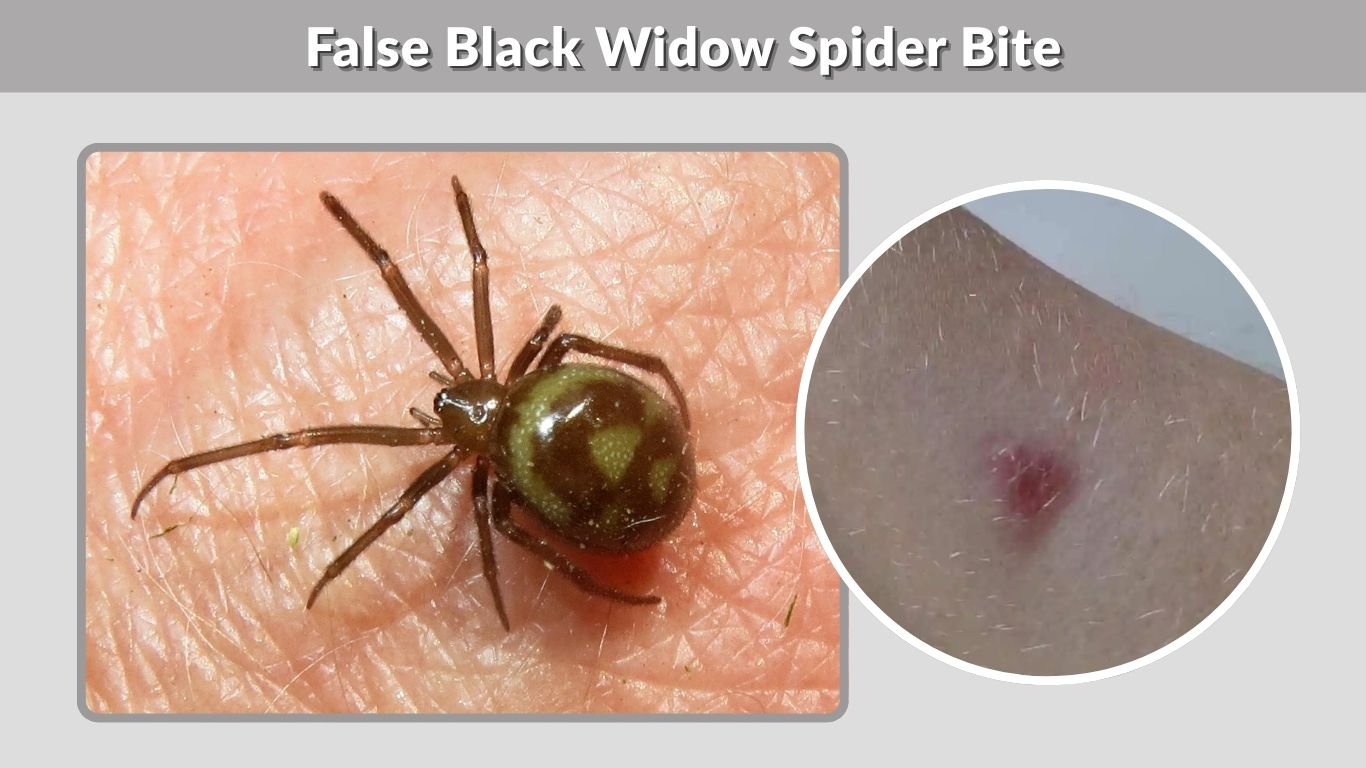
So, you’ve spotted a spider in the corner of your flat—a glossy, dark shape with a distinct skull-like pattern on its back. Your brain immediately jumps to the tabloid headline: False Widow! But before you burn the house down, let’s get one thing straight: this spider is more interested in hiding from you than hunting you. The real story here isn’t the spider itself, but the mild panic its bite can cause.
The First Signs: What to Actually Look For
A false widow bite often starts as a sharp, bee-sting-like pinch—you might not even feel it at first if you’re busy scrolling through your phone. Within the first hour, the area will likely turn red and develop a small, raised bump. Think of it as the spider’s way of saying, “Hey, I exist,” rather than a scene from a horror movie.
Over the next 24 hours, that bump can evolve into a more dramatic, angry-looking patch. You might see a central white blister surrounded by a red ring—a classic “target lesion” look. It’s easy to mistake this for an infected hair follicle or a reaction to a new laundry detergent, so don’t jump to conclusions.
Must Read
The Unpleasant (But Rare) Complications
For most people, the bite stays local—swelling, tenderness, and maybe a low-grade headache. But for a small percentage, the venom can cause some systemic symptoms like nausea or a mild fever. This is where the internet tends to go wild, but remember: serious reactions requiring medical attention are exceptionally rare.
That said, if the redness spreads rapidly, you feel dizzy, or you develop hives elsewhere on your body, call a doctor. This could indicate an allergic reaction, not just the venom itself. Keep calm, but stay smart—your health is not a guessing game.
Myth-Busting the “Flesh-Eating” Hype
You’ve heard the stories: “A false widow bite ate through my arm!”—likely a sensationalized tale from a news outlet that needed clicks. In reality, tissue necrosis from false widow bites is exceptionally rare, and when it happens, it’s usually mild—a small, shallow ulcer that heals within weeks. Compare that to a true recluse spider bite, which can cause significant damage; the false widow is more of a drama queen than a destroyer.
Fun fact: The false widow (Steatoda nobilis) is named for its resemblance to the black widow, but its venom is much weaker. Black widows pack a neurotoxic punch that can affect the whole body; false widows deliver a local, painful irritant. It’s like comparing a pinch from a crab to a bite from a lion—different leagues entirely.
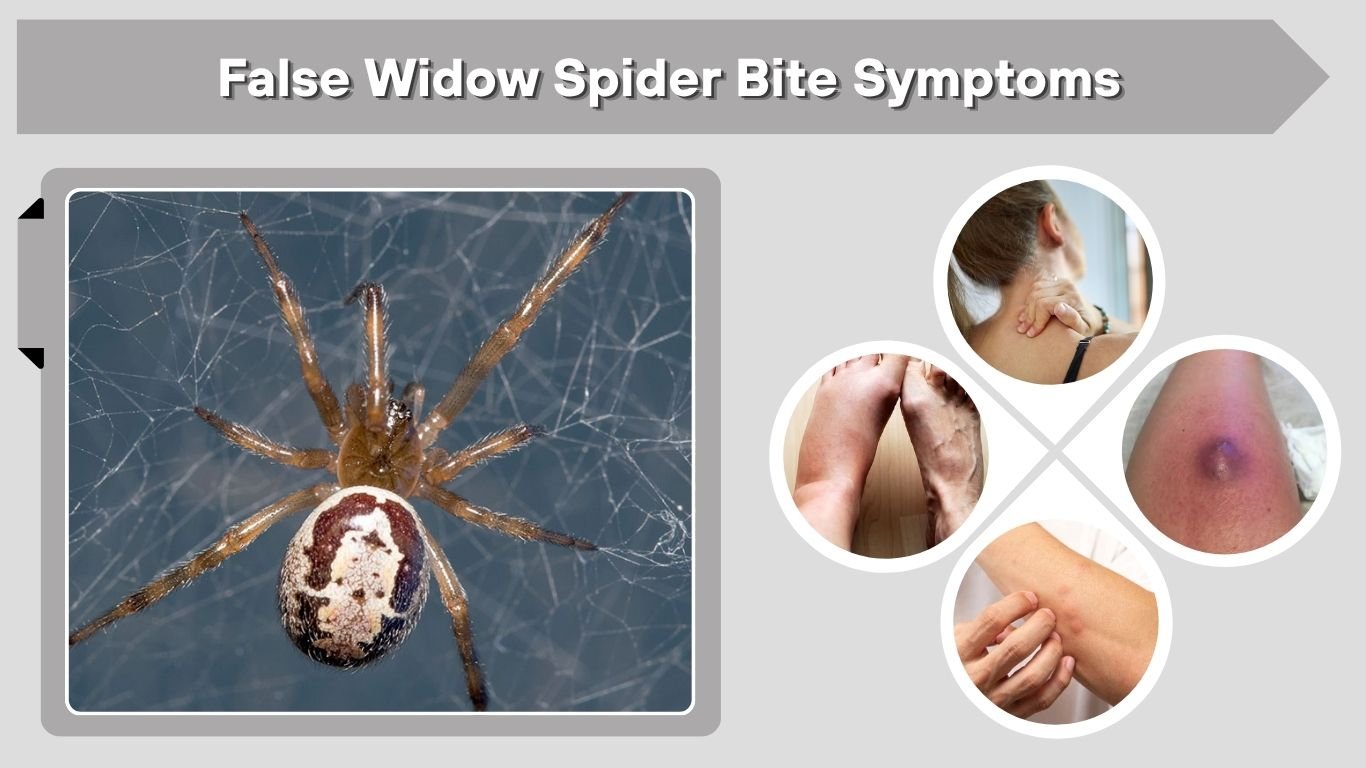 False Widow Spider Bite: Symptoms, Stages and Treatment
Cultural References and Spider Fame
Thanks to British tabloids and viral social media posts, the false widow has become the Gossip Girl of the spider world—talked about constantly, but rarely living up to the drama. In 2018, a headline screamed that “False Widow Spiders Are Taking Over the UK,” which prompted a run on spider spray. Meanwhile, actual arachnologists were quietly sipping their tea, noting that these spiders had been living in British homes for over a century.
Pop culture loves a villain, and the false widow fits the bill: dark, mysterious, and named after a dangerous femme fatale. But in reality, you’re more likely to be bitten by a mosquito while gardening than by a false widow while sleeping. The spider would actually prefer to scamper away than to waste its venom on a human it can’t eat.
Practical Tips for the Anxious Homeowner
If you see a false widow, resist the urge to squash it. Instead, trap it under a glass and slide a piece of paper underneath—release it outside near a shed or rock wall. They eat flies, moths, and even other spiders, making them accidental pest controllers. Think of them as tiny, eight-legged roommates who pay rent in bug disposal.
What about prevention? Shake out your shoes and gardening gloves before wearing them—this is good advice for any spider, not just false widows. Keep bedroom clutter low and vacuum corners regularly. Remember: spiders like undisturbed spots, so a tidy home is a less spider-friendly home.
 False Black Widow Spider: Identification, Bite & Facts
Quick First-Aid for Bites
If you do get bitten, wash the area with soap and water to prevent infection. Apply a cold pack to reduce swelling, and take an antihistamine if you’re itchy. Avoid scratching—your nails can introduce bacteria that make things worse than any spider venom could.
Monitor the bite for the next 48 hours. If it develops a dark, crusty center or becomes increasingly painful, see a doctor. Most bites will simply fade to a bruise-like mark and vanish within two weeks. You’ll survive—and gain a good story for the next pub quiz.
The Philosophical Bite: A Reflection
Living in the modern world, we’re trained to fear the hidden things—the creepy crawlies we can’t see. But the false widow teaches us a gentle lesson: not every threat is what it seems. Most of the time, the thing you fear is just a small, defensive creature trying to mind its own business. A little knowledge, a calm breath, and a glass-and-paper trick can turn panic into a moment of connection.
So the next time you spot a dark spider in the corner, pause before you scream. It’s not a monster; it’s just a misunderstood neighbor with an overhyped reputation. And honestly, isn’t that a bit like us all?
