Where To See Aurora Borealis In Uk

Right, let’s be honest. When you think of the Northern Lights, your brain probably does a quick montage of a frozen Norwegian fjord or a log cabin in Iceland, with you looking...

Right, let’s be honest. When you think of the Northern Lights, your brain probably does a quick montage of a frozen Norwegian fjord or a log cabin in Iceland, with you looking perfectly smug in a chunky sweater. Meanwhile, your actual reality is probably you, a stiff cup of tea, and last night’s wet towel still hanging on the bathroom door. But here’s the plot twist: the Aurora Borealis can actually crash the party in the UK. It’s like winning the lottery on a scratch card you forgot you bought.
Now, before you start packing for Cornwall, let’s get real about the odds. The Lights in the UK are a shy and picky guest. They show up about as often as your neighbour offers to trim their hedges. It’s not a nightly disco; it’s more of a surprise guest appearance after a massive solar storm hits our atmosphere. You need to be willing to stay up past your bedtime and risk looking like a mad person staring at the sky in a field.
Your Best Bets: North of the Watford Gap
Geographically speaking, the closer you are to the magnetic North Pole, the better your chances. That means Scotland is your VIP lounge. The Scottish Highlands and the islands like Shetland, Orkney, and the Outer Hebrides are the front-row seats. Think of them as the UK’s personal Aurora balcony, but with midges and wind that makes your nose whistle.
Must Read
If you can’t get that far north, you can still try your luck in Northern England. Places like the Northumberland National Park (which is an official Dark Sky Park) are surprisingly decent. It’s like the bouncer at the club checked your ID and thought, “Alright, you look close enough to the VIP section—come on in.” Just don’t expect the curtains of green and purple you see on Instagram; you might get a faint haze that looks like a moody streetlamp.
The Science Bit (Without the Headache)
Here’s the casual science: Solar wind hits Earth’s magnetic field, and boom—pretty lights. For us in the UK, we need what’s called a high Kp-index. That’s the space weather rating for “Wow, this is going to be good.” If the Kp-index is low, you’re basically waiting for a bus that never comes. If it’s high, you grab your flask of tea and sprint outside like the fire alarm went off.
Don’t trust the weather app on your phone for this. You need a dedicated Aurora app or a website like the Met Office’s Space Weather page. It’s like having a snitch who tells you when the party is actually happening, instead of just sitting there hoping someone will knock on your door.
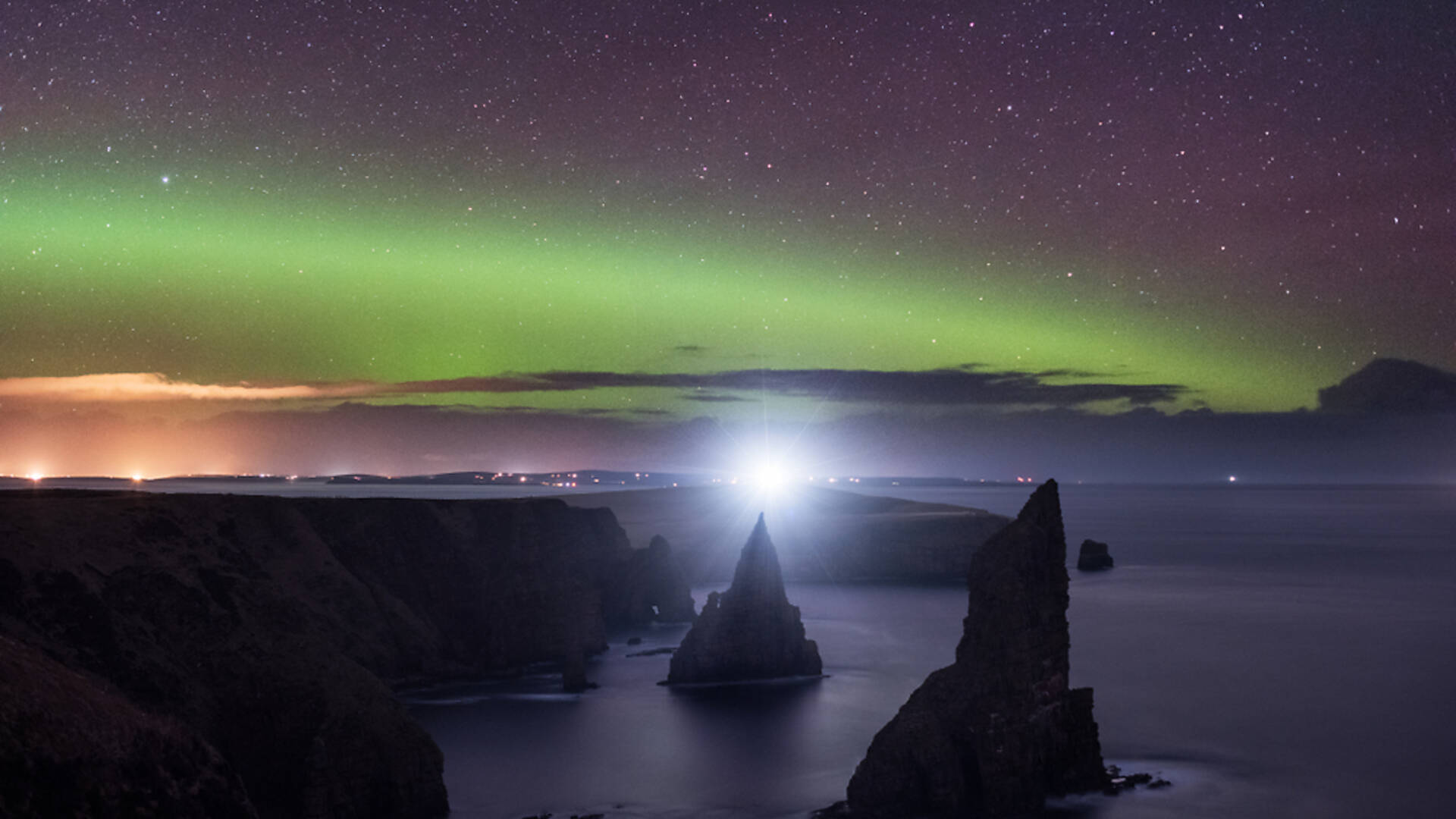 2026 is Your Best Chance to See the Northern Lights in the UK for 10
How to Not Look Like a Complete Nugget
First, forget your phone camera. Your phone will show a dark blob that looks like a photo of the inside of your pocket. You actually need a proper camera with a long exposure setting to see the full glory. If you’re just looking with your eyes, the Aurora often looks like a weird grey mist moving slowly. It’s beautiful, but it’s not the technicolor rave your feed suggests.
Second, dress like you’re going to live in your car for a week. The best Aurora displays happen between 10 PM and 2 AM, which is when the Gremlins come out. Bring a thermos of something hot, a blanket that smells like your dog, and accept that you will probably get a cold. It’s a sacrifice to the weather gods.
The Real-Life Anecdote
I once dragged my friend to a hilltop in the Lake District at 1 AM on a Tuesday. We stood there, shivering, watching a patch of sky that looked vaguely green-ish. My friend said, “Is that it?” I said, “I think so.” He said, “It looks like a leaky gas pipe.” And you know what? It kind of did. But then the patch started to pulse, and we both went quiet. It was like watching a ghost breathe.
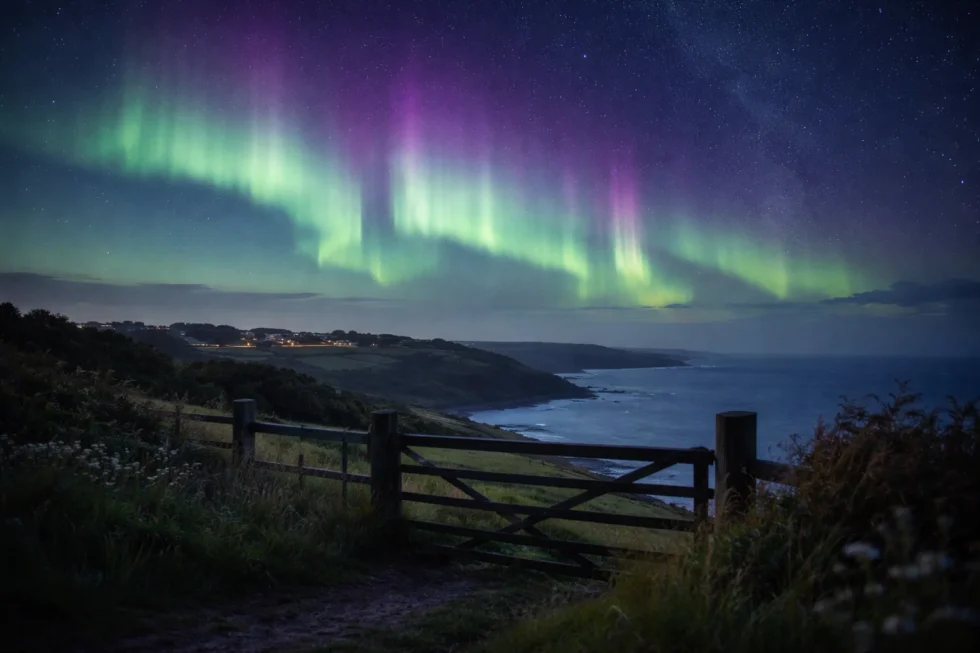 Northern lights aurora borealis UK: where and when to see
It wasn't the fireworks from a Marvel movie. It was subtle, slow, and oddly intimate. We drove home in silence, grinning like idiots who had just seen a secret. That’s the UK Aurora experience: it’s rare, it’s often a bit rubbish for the first hour, and then it hits you right in the chest when you least expect it.
Buckle Up for Disappointment (But Hope Hard)
You will probably go out and see nothing. That’s fine. It’s a rite of passage. You’ll be standing in a muddy car park, looking at clouds, and you’ll wonder why you didn’t just stay in bed. But then you remember the other people who are out there, all looking up with the same silly hope. You are part of a secret club of cloud-watchers.
So, here’s your checklist: a clear, cloudless night. A moon that isn’t too bright. A high Kp-index forecast. And a massive dose of patience. If you tick all those boxes, you might just see the sky dance. And if you don’t? Well, you still had a nice cup of tea in a field at 2 AM. That’s a win in anyone’s book.
Go on. Give it a shot. The Aurora across the UK is a fickle and cheeky critter. It might not show up, but when it does, it’s like the sky is winking right at you. And that, my friend, is worth a bit of frostbite on your toes.
