Who Is Eligible For Free School Meals Uk

Let’s be real for a second: feeding the family is a full-time job in itself. Between the price of a loaf of bread going up and the “shrinkflation” on a pack of biscuits, it fe...
Let’s be real for a second: feeding the family is a full-time job in itself. Between the price of a loaf of bread going up and the “shrinkflation” on a pack of biscuits, it feels like we’re all performing a juggling act with our grocery budgets. And if you’ve got kids, that juggling act gets a whole lot trickier, especially when you hear the classic “Mum, I’m hungry!” as soon as they walk through the door.
That’s where the Free School Meals (FSM) scheme in the UK steps in, like a quiet superhero we don't talk about enough. It’s not a handout; it’s a helping hand. So, who actually gets the golden ticket to a free hot lunch?
The Universal Basics (For the Little Ones)
First up, let’s talk about the youngest members of the school crew. Every child in Reception, Year 1, and Year 2 at a state-funded school gets a free meal. Yes, you read that right—every single one.
Must Read
It doesn't matter if your job is a CEO or a dog walker; your six-year-old gets a hot meal on the table. It’s a lovely, universal handshake from the government to say, “Let’s get these little ones off to a strong start.”
Think of it as the training wheels of the school meal world—everyone gets a turn. For parents with a child in Infants, this is one less thing to pack in the morning panic.
The Main Event: Who Gets It After Year 2?
Once your child hits Year 3, the rules change, and it becomes a means-tested benefit. This is where it gets specific, and honestly, where a lot of families miss out simply because they don’t know the details.
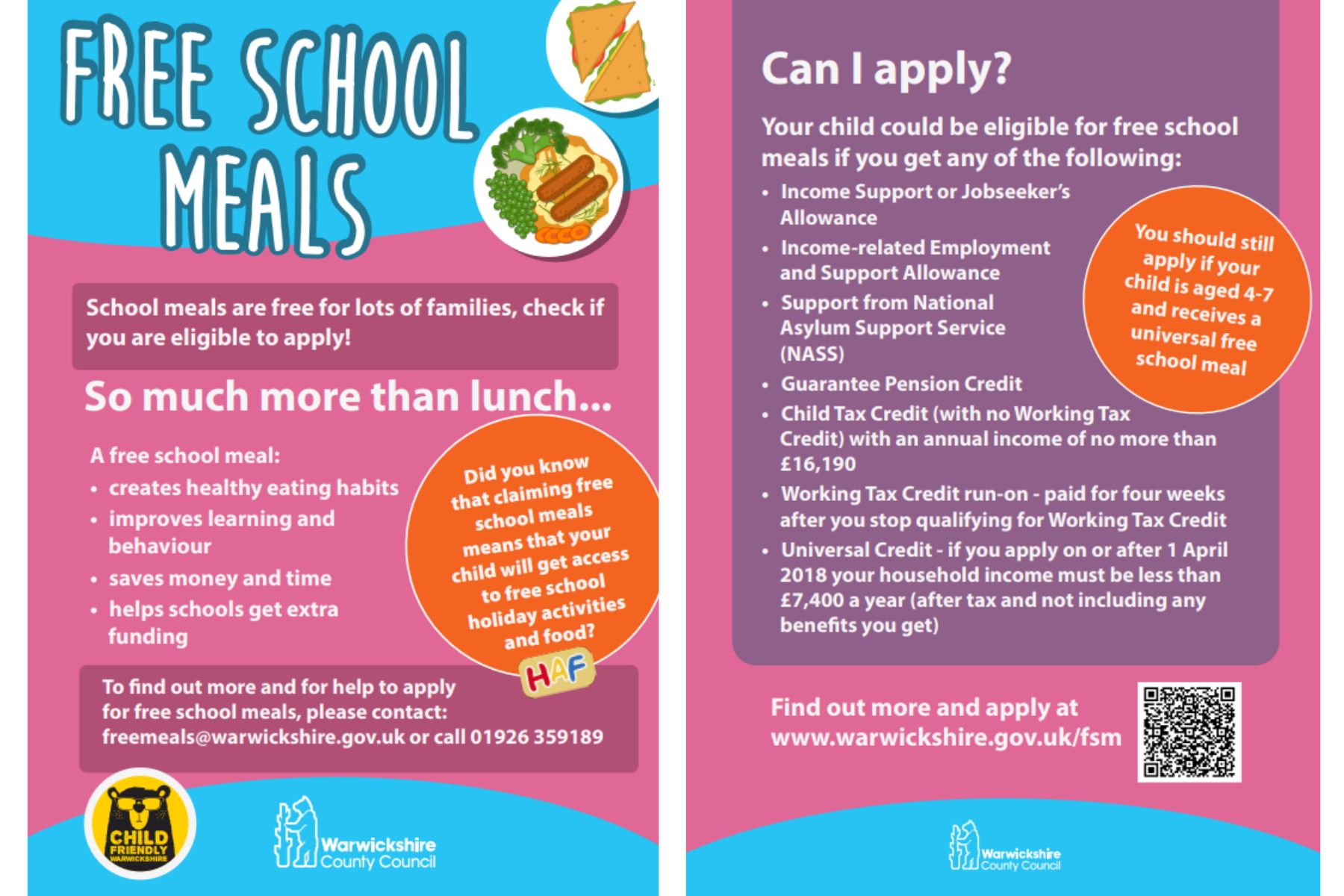
You are eligible for Free School Meals if your family receives any of the following benefits. This is the list from the government, but I’m going to break it down like a chat over a cuppa.
- Universal Credit: This is a big one. If your household earns a take-home pay of less than £7,400 a year (after tax and not including benefits), you likely qualify. It’s calculated on your annual income, not your monthly wobble.
- Income Support or Income-based Jobseeker’s Allowance: Old-school benefits that still count.
- Income-related Employment and Support Allowance (ESA): For those on a low income due to health reasons.
- Child Tax Credit (but only if your income is under £16,190 and you don't get Working Tax Credit).
- Working Tax Credit run-on: A specific four-week payment after you stop working.
- Asylum Support: If you receive support from the Home Office, your children are covered.
It’s a bit of a maze, I know. But the golden rule is: if you’re on a low income and claiming certain benefits, you should always apply. You might be surprised at what you’re entitled to.
A Little Story to Warm Your Heart
Imagine a dad named Tom. He’s a self-employed electrician, and work has been patchy. He thought Free School Meals were “for people in a worse situation than me.” He didn’t apply for years.
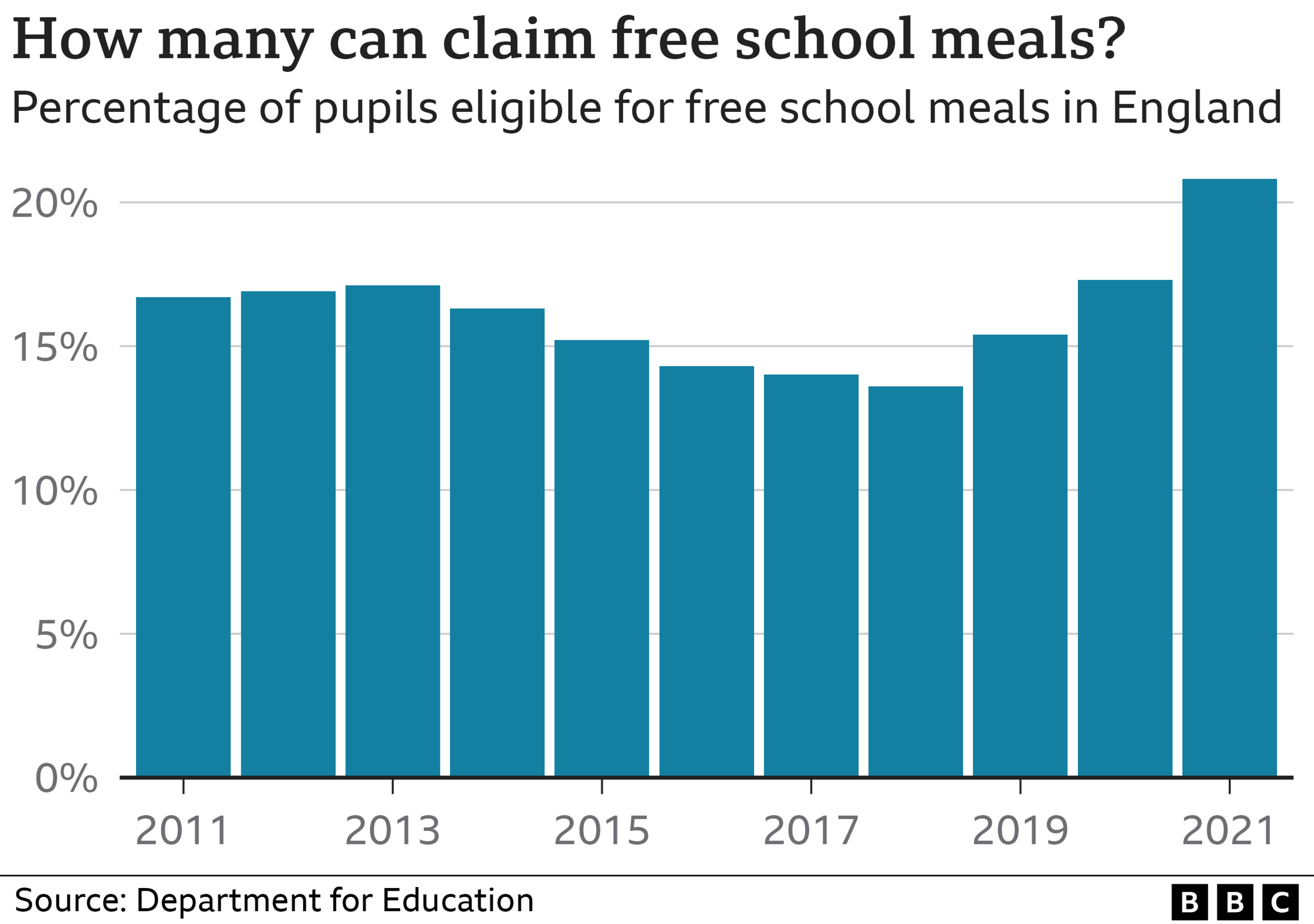
 How free school meal eligibility has been changing and why we might
Then, a school secretary nudged him. “Just fill the form, Tom. It takes five minutes.” He did. Turned out, his Universal Credit income was just under the limit. His two kids now get a hot meal every day, and Tom saves about £40 a week. That’s nearly £160 a month.
“I thought it was a hassle,” he told me. “But it’s literally the easiest money I’ve ever saved. And my kids eat broccoli now. Win-win.”
Why Should You Care? (Yes, Even You)
Maybe your kids are grown up, or you don’t have children. Why does this matter to you? Because hungry kids can’t learn. It’s not rocket science.
When a child’s tummy is rumbling, they aren’t thinking about algebra. They’re thinking about toast. The Free School Meals scheme levels the playing field, making sure every kid starts a test with a full stomach.
Also, it’s a community thing. When fewer kids go hungry, everyone benefits. It means less strain on food banks and happier, healthier classrooms. It’s an investment in the future plumber, artist, or nurse who will one day help you out.
Plus, let’s be honest: school dinners are often more balanced than what we throw together at 7 PM on a Tuesday. They get a proper meal, you get a break. It’s a beautiful, quiet arrangement.
 Jamie Oliver: Give more children free school meals - BBC News
How to Apply (The Painless Part)
Applying is easier than assembling flat-pack furniture. Really. You just need to contact your child’s school office or your local council’s website.
They will ask for your National Insurance number and proof of the benefit you receive. That’s it. No drama, no long forms. The school will check a database, and you’ll get a yes or no within a few days.
Important tip: Even if you don't think you qualify, just apply. The system updates a lot, and rules change. It costs you ten minutes of your time for a potential saving of thousands of pounds over a few years.
Don't Forget the Other Perks
Getting approved for Free School Meals often unlocks other goodies. Many schools also give you discounts on school trips, music lessons, or even uniform grants.
It’s like a membership card you didn’t know you needed. The school gets extra funding for every child registered (called the “Pupil Premium”), so you’re actually helping the whole school by ticking that box.
So, be a nosey neighbour in the best way. If you know a family with kids who might be struggling, gently mention this. A passing comment like, “Hey, have you checked if you’re eligible for free dinners?” could genuinely change their week.
Because in the end, nobody wants to see a kid go without. And if a hot, cheesy pasta bake can fix that for a few hours, we should all be on board for it. It’s not rocket science—it’s just good sense, served with a side of chips.
