Why Is Petrol So Expensive In Uk

We’ve all been there, right? You pull into the petrol station, punch in the amount, and watch the numbers on the pump spin faster than a washing machine on a spin cycle. It’s...
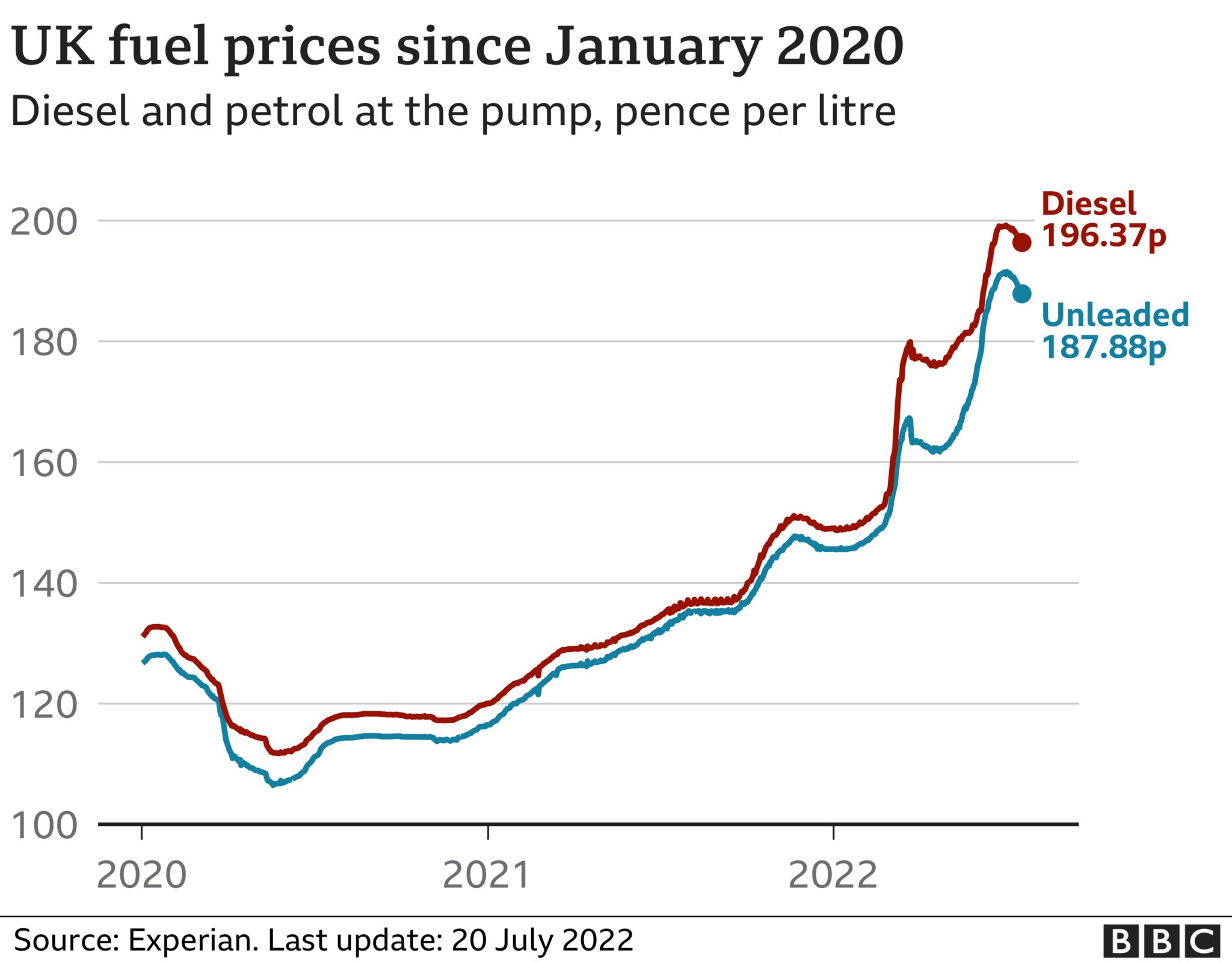
We’ve all been there, right? You pull into the petrol station, punch in the amount, and watch the numbers on the pump spin faster than a washing machine on a spin cycle. It’s enough to make you wince before you even get to the till. For many of us, filling up the car now feels less like a routine chore and more like a minor financial crisis.
So, why is petrol so ridiculously expensive in the UK? It’s not just your imagination, and it’s definitely not because the garage owner fancies a new yacht. The truth is a tangled web of global politics, quirky taxes, and a few sneaky fees that all end up pinching your pocket.
The Taxman Takes The Biggest Slice
If petrol prices were a pie, the government would be the hungry uncle eating half of it before anyone else gets a fork. Fuel duty and VAT make up a huge chunk—around 53p for every £1 you spend. That means every time you fill up a 50-litre tank, you’re handing over roughly £35 to the Treasury before the petrol even starts moving your car.
Must Read
Think of it this way: you’re essentially paying for two things—the fuel to get to work, and the roads, schools, and pothole repairs that everyone benefits from. It’s a reluctant donation to the nation, whether you like it or not. And let’s be honest, nobody likes paying more for their morning commute.
The Global Oil Tango
Then there’s the price of crude oil itself, which is like a moody teenager—it changes its mind constantly and for reasons that seem totally random. Global events, like conflicts in oil-producing regions or big shipping delays, send the price skyrocketing. The UK doesn’t drill enough of its own oil, so we’re pretty much at the mercy of the world market.
You might remember that meme from a few years ago when oil prices actually went negative for a hot minute during lockdown. Well, that was a weird blip. Normally, the price is as stable as a cat on a hot tin roof. And when it goes up here, the UK’s weak pound makes it even worse—because oil is traded in US dollars.
Imagine buying a £5 coffee but being told it now costs £7 just because the exchange rate changed. That’s exactly what’s happening to the petrol companies. They love pointing that finger at the currency when we moan at the pump.
The Secret Life Of Your Petrol Station
Here’s a little story for you. Last week, I saw a local garage selling diesel for 149.9p per litre. The next day, it jumped to 152.9p for absolutely no reason. It wasn’t a supply issue or a holiday—it was just retailer margin.
Fuel stations are businesses, and they raise prices faster than a rocket but lower them slower than a snail on a go-slow. It’s called “rocket and feather” pricing, and it happens all the time. They bump up the price immediately when their costs rise, but they take their sweet time bringing it back down when the wholesale price drops.
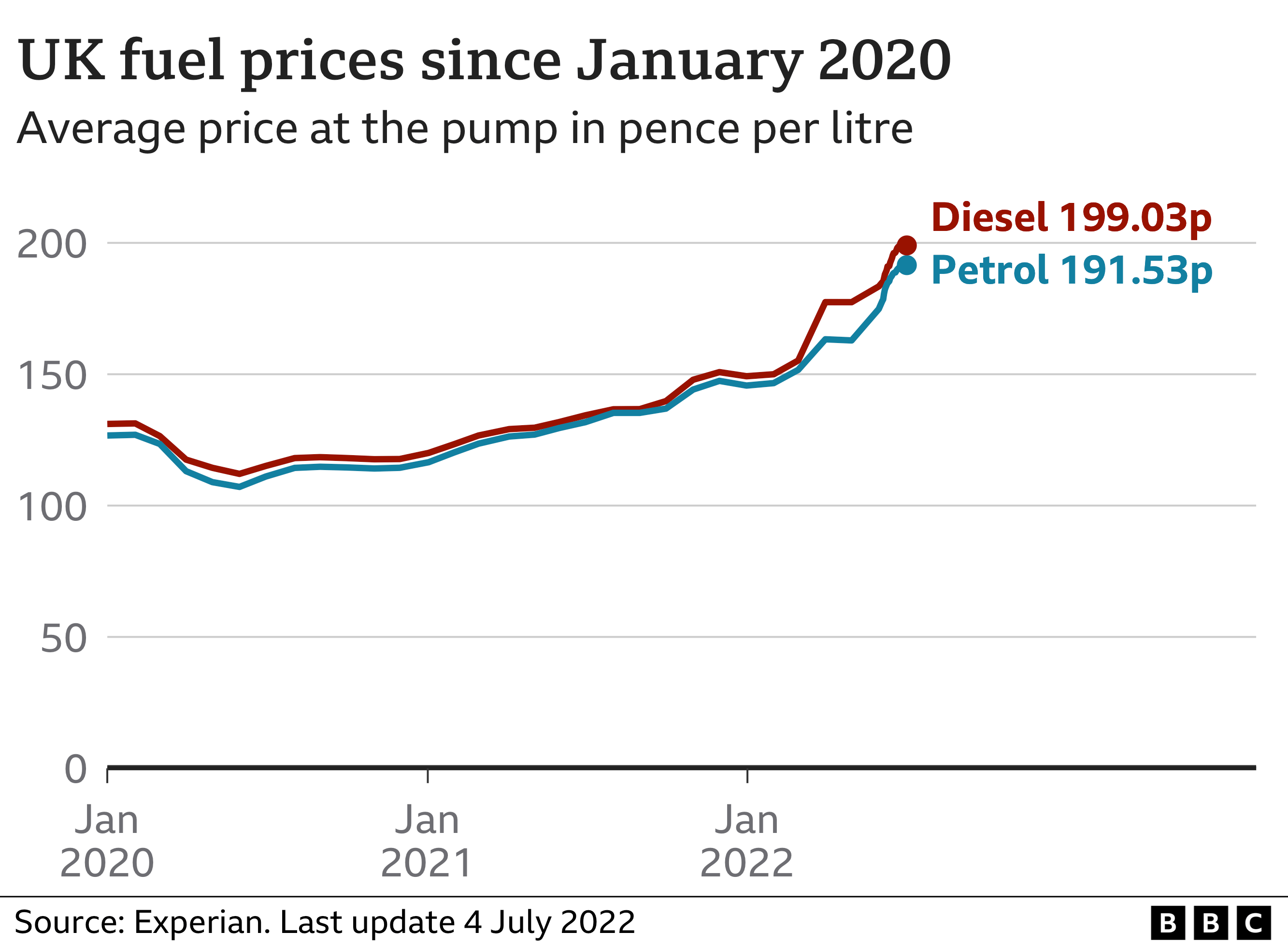 Fuel prices: Why is petrol so expensive in the UK? - BBC News
Plus, a lot of these stations are owned by big supermarket chains. They use petrol as a “loss leader” to get you inside to buy a bag of crisps and a sandwich. But when the world price jumps, they still have to cover their own costs—so that loss leader suddenly becomes a profit machine.
The Little Extra Costs That Add Up
There are also bits and bobs like the biofuel mandate, which forces petrol to contain a percentage of renewable stuff like ethanol. Making that green fuel costs more than good old-fashioned crude. And don’t get me started on the carbon taxes and environmental levies that get sprinkled on top like a very expensive spice.
All these tiny fees feel like the extra pennies you find stuck to the bottom of a takeaway bag—except they’re stuck to your bill. They add up to about 5p or 6p per litre, which doesn’t sound like much until you do the maths on a full tank.
Why Should You Care? (And Not Just Because Your Wallet Hurts)
Look, hating high petrol prices is practically a British sport, like moaning about the weather. But the real reason to care is that this affects absolutely everything. When fuel costs go up, the price of your weekly shop goes up too. Delivery vans, taxis, Amazon parcels, and even the bus journey you take when you can’t afford to drive—they all rely on petrol or diesel.
Think of petrol as the bloodstream of the UK economy. When it gets pricey, everything else gets inflamed. That bag of apples that was £1.50 suddenly becomes £1.80. Your mate’s Uber costs a quid extra. The pizza you ordered on Friday night arrives with a surcharge.
So, the next time you’re staring at the digital display on the pump, remember you’re not just a motorist—you’re a global economist in disguise. You’re feeling the pinch of a barrel of oil in Saudi Arabia, a politician’s budget decision in Westminster, and a shipping container stuck in the Suez Canal. It’s a lot to swallow for a simple trip to the supermarket.
But here’s the warm, relatable bit: you’re not alone. Every driver in the UK is doing the same wince, the same sigh, the same quick calculation of “is this really worth it?” We share this collective grimace. So go ahead, vent about it to your neighbour. Just don’t expect the price to drop anytime soon—because sadly, that’s about as likely as a sunny British summer lasting a whole week.
