Can You Drive On A Flat Tyre

You’re cruising along, windows down, your playlist hitting that perfect groove, and then—*thump-thump-thump*. The steering wheel tugs, and you feel a wobble. That sinking sens...

You’re cruising along, windows down, your playlist hitting that perfect groove, and then—thump-thump-thump. The steering wheel tugs, and you feel a wobble. That sinking sensation? It’s your tyre waving a white flag. The immediate question that leaps to mind: can you just keep driving? The short, honest answer is a hard no—with a few “only if you absolutely must” caveats.
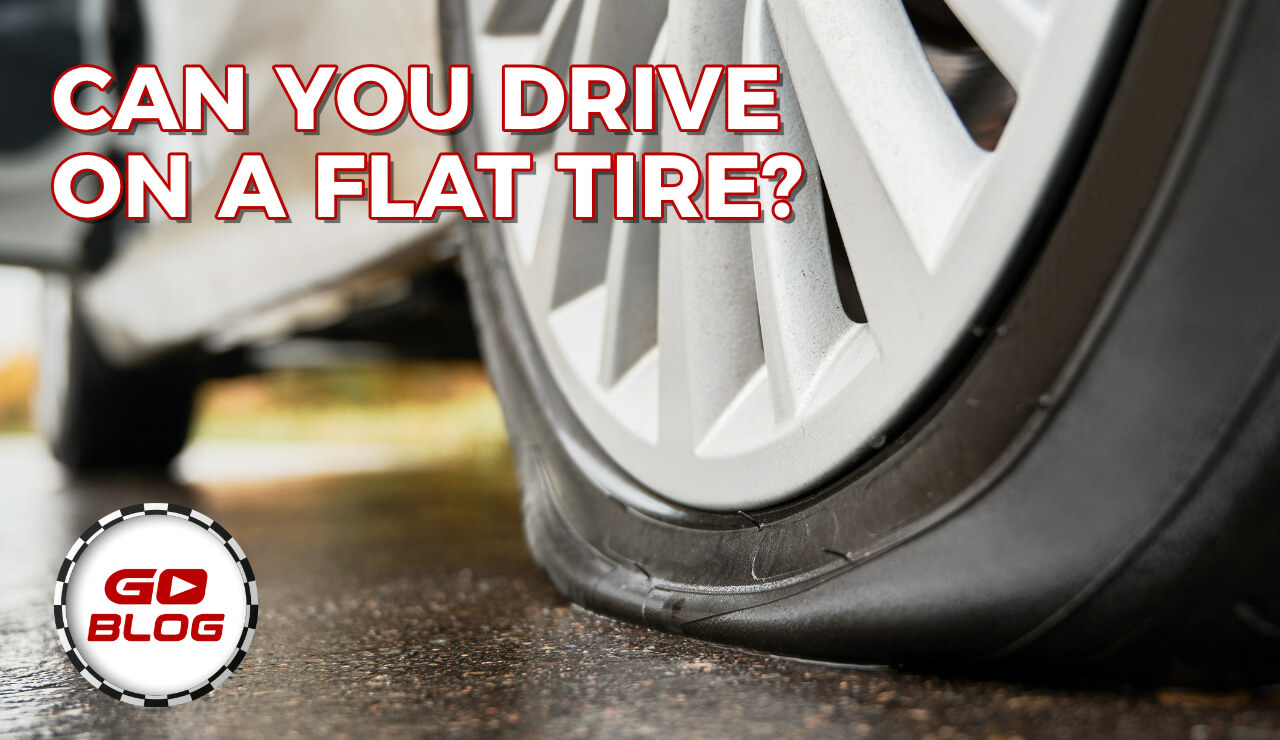
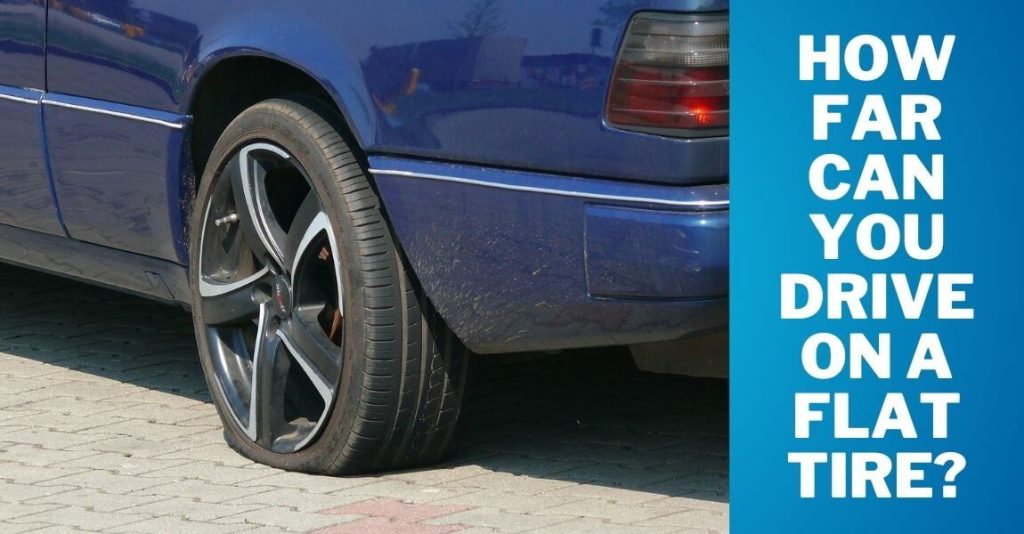
Driving on a flat tyre isn’t just a bad idea; it’s a guaranteed way to turn a minor inconvenience into a major wallet-ache. Think of it as the automotive equivalent of running a marathon in flip-flops: painful, ineffective, and guaranteed to ruin your shoes. The rubber sidewall buckles under the car’s weight, generating intense heat that can cause the tyre to shred. What was a simple puncture quickly becomes a trip to the tyre shop for a brand-new replacement.
There’s also the safety factor—your car’s handling becomes wildly unpredictable. Your braking distance increases, and cornering feels like steering a shopping cart on ice. A flat tyre can even damage your wheel rim or worse, lead to a sudden loss of control at highway speeds. That’s not just annoying; that’s dangerous.
The Exception: When “Can’t” Becomes “Maybe”
Let’s be real: life happens. Maybe you’re on a desolate country road with no signal, or you’re inches from a freeway exit in pouring rain. In such a pinch, driving short distances at extremely low speeds (think 10–20 mph, hazard lights blazing) might be your only option. This is a move of last resort, not a plan—consider it the vehicular version of a desperate Hail Mary pass.
Some modern cars come equipped with run-flat tyres, which are a different beast entirely. These have reinforced sidewalls designed to support the vehicle’s weight even when all air is lost. They can usually take you about 50 miles at up to 50 mph, giving you time to find a safe spot or a shop. Check the sidewall of your tyre—if it says “RFT” or has a special run-flat logo, you’ve got a golden ticket. Just remember: after a run-flat emergency, the tyre still usually needs replacing.
Practical Tips for the Unlucky Moment
First, do not slam on the brakes. Gently ease off the accelerator, grip the wheel firmly, and let the car coast to a safe, flat area. Pull over as far from traffic as possible—your life is worth more than a tyre. Next, get out your owner’s manual and locate your spare tyre, jack, and wrench. If you don’t have a spare (many modern cars trade them for a can of sealant), you have one job: call roadside assistance. Apps like AAA or your car’s built-in system are your best friends here.
 Can You Drive on a Flat Tire? - WheelSetGo
If you’re using a temporary spare (often called a “donut”), remember it’s strictly temporary. It’s small, orange, and pitiful on purpose. Don’t exceed 50 mph, avoid highways, and don’t drive more than 50–70 miles on it. It’s like wearing a loaner tuxedo to a gala—functional, but you don’t want to stay in it forever. And please, for the love of all things rubber, never put fix-a-flat sealant into a run-flat tyre; it can ruin the sensors and your wallet.
A Cultural Aside: The “Flat Tyre” in Pop Culture
Ever notice how in movies, a flat tyre always happens at the worst possible moment—right when the hero is being chased? That’s not just drama; it’s accurate realism. A flat is the universe’s way of saying, “You need to slow down.” It’s also a classic road-trip trope in songs from Johnny Cash to modern indie bands, often symbolizing a breakdown in life’s journey. Next time you hear Tom Petty’s “Free Fallin’,” picture him changing a tyre on the side of the 101—suddenly the lyrics feel more grounded.
Here’s a fun little fact: the first “spare tyre” wasn’t invented for cars—it was a standard for horse-drawn carriages. And did you know that punctures are most common in the summer? Heat causes air pressure to expand, making tyres more vulnerable to road debris. So if you’re planning a cross-country summer road trip, check your pressure before you roll.
 How Far Can You Drive On A Flat Tire? Find Out Here!
The Unexpected Upside
Getting a flat tyre is a forced pause—a chance to breathe, stretch your legs, and contemplate the fragility of modern mobility. It’s the universe tapping you on the shoulder, saying, “Hey, you were going too fast anyway.” Use the downtime to call a friend, watch the clouds, or admire the absurdity of life’s tangles. In a world obsessed with efficiency, a flat tyre is an invitation to simply stop.
And when you’re back on the road, tyre inflated and spirits renewed, you’ll carry a small lesson: the best journeys aren’t always the ones without detours. They’re the ones where you handle the wobble with grace, a little humor, and a fully inflated perspective. So no, you can’t drive on a flat tyre—but you can drive through life’s little roadblocks with a smile.
Keep your tyres pumped, your playlist ready, and your patience intact. The road always has more lessons to teach.
