African Nations At The World Cup

Alright, grab a drink and pull up a chair. Let’s talk about one of the most vibrant, chaotic, and soulful groups of teams at the World Cup: the African nations. If you’ve ever...
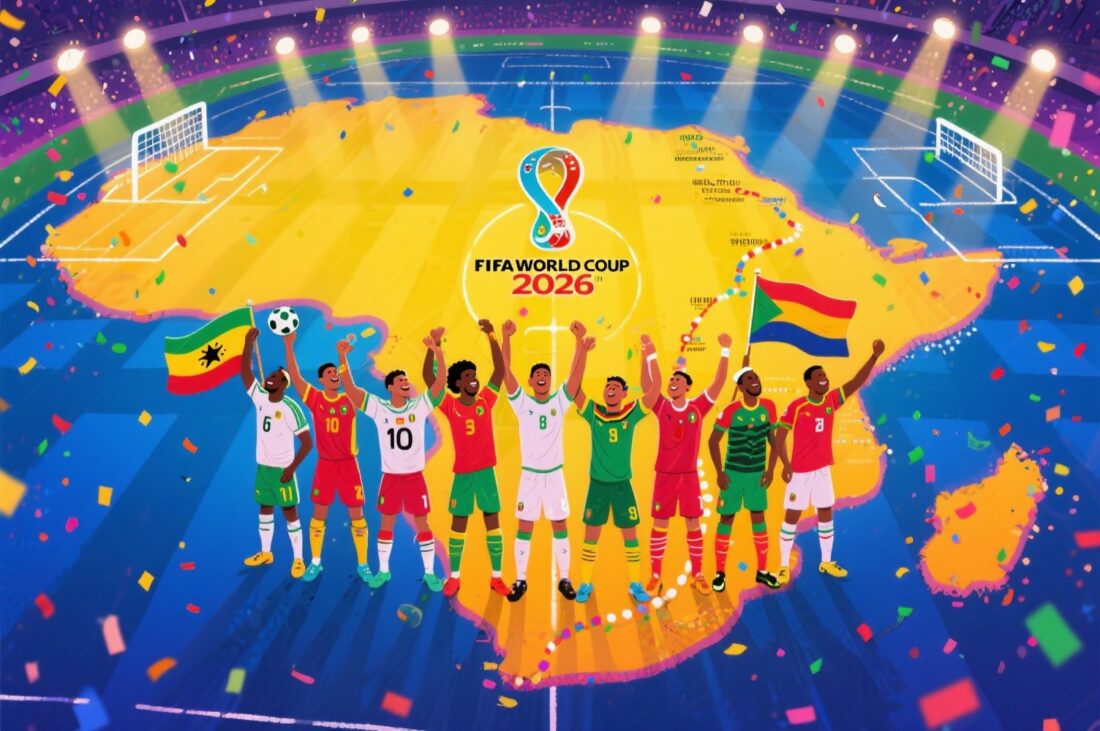
Alright, grab a drink and pull up a chair. Let’s talk about one of the most vibrant, chaotic, and soulful groups of teams at the World Cup: the African nations.
If you’ve ever watched them play, you know they don’t just show up—they arrive with a parade. We’re talking drums, dancing, and a level of passion that makes the stadium feel like it’s about to lift off.
The Underdogs Who Refuse to Be Underestimated
For decades, African teams entered the World Cup as the cool outsiders, the ones everyone loves to root for. And honestly? They often delivered the kind of pure, unfiltered drama that scriptwriters couldn’t dream up.
Must Read
Think back to Cameroon in 1990—Roger Milla, at 38 years old, doing that corner-flag dance that broke the internet before the internet existed. They beat defending champions Argentina, then stunned Colombia, and made it to the quarterfinals. It was magic.
Suddenly, the world realized Africa wasn’t just there to make up the numbers. They were there to party—and maybe, just maybe, steal the trophy.
Senegal’s Shocking Entrance in 2002
Fast forward to 2002. Senegal, making their first appearance, kicked off the tournament by beating France—the defending champions. France! In the opening match!
It was like a kid showing up to a chess tournament and checkmating the grandmaster in round one. Senegal went all the way to the quarterfinals, and the world collectively lost its mind.
That team didn’t know they were supposed to be nervous. They just played like kids in a park, and it was glorious.
The Near Misses and Heartbreaks
Let’s be real: Africa has had its share of near-misses that hurt more than a stubbed toe. Ghana in 2010 was a centimeter away from being the first African team in the semifinals.
Remember that penalty miss by Asamoah Gyan against Uruguay? It’s still haunting dreams in Accra. One kick, one bounce off the crossbar, and the whole continent sighed in unison.
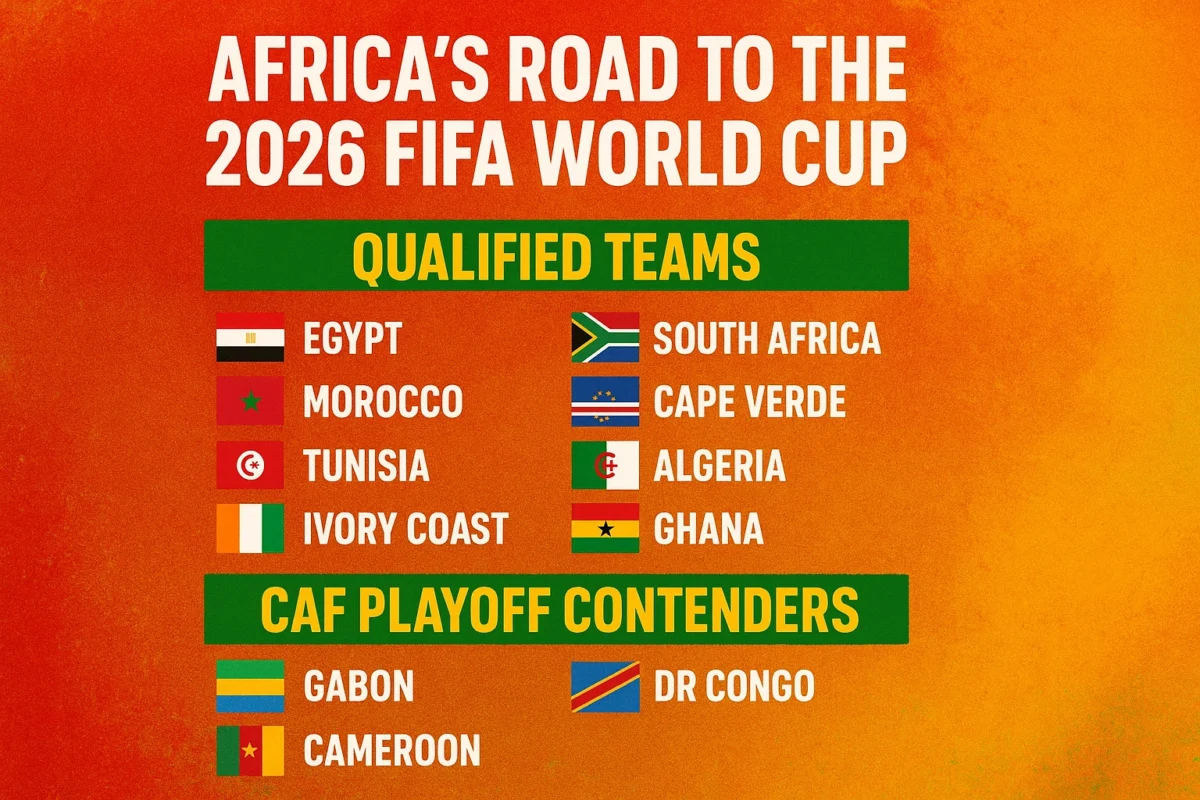 FIFA World Cup African qualifiers Matches Today
But here’s the thing: even in defeat, African teams never bowed out quietly. They fought, they screamed, and they made sure you remembered their names.
Nigeria’s Dance-Off Spirit
Ah, Nigeria. The Super Eagles don’t just play football—they throw a party on the pitch. Their kits are always fire (remember the 2018 jerseys? Iconic).
They’ve qualified for six World Cups and have a knack for pulling off ridiculous goals at impossible moments. Like that time Ahmed Musa scored twice against Iceland in 2018, making an entire island nation go quiet.
And let’s not forget their fans. If you see a sea of green-and-white dancing in the stands, you know you’re in for a good time. They are the life of the World Cup.
The Lions, The Eagles, and The Wildcards
Every African team brings its own flavor. Morocco in 2022? They became the first African team to reach the semifinals, knocking out Portugal, Spain, and Belgium along the way.
The Atlas Lions defended like their lives depended on it, while their fans in stadiums around Qatar made it feel like a home game in Casablanca. They proved that African football isn’t just about flair—it’s about grit and tactical genius.
Then there’s Egypt, with their wall of red-clad supporters and the legend of Mo Salah. They didn’t win a match in 2018, but they looked majestic doing it. Sometimes, you just have to bow to the style.
The Future Is Even Brighter
Here’s the exciting part: African football is getting better. More players from the continent are starring in Europe’s top leagues—Salah, Mané, Osimhen, Hakimi—and they’re bringing that experience back home.
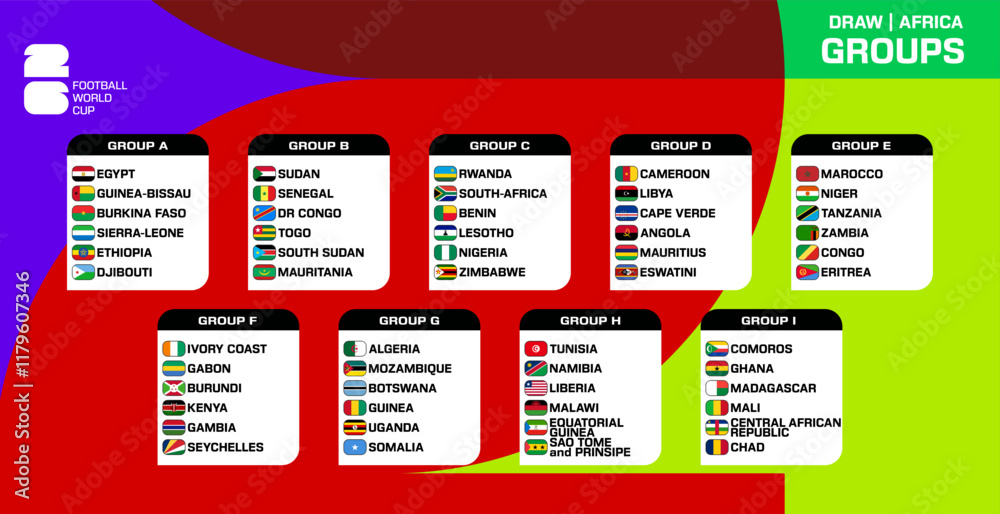 Table of African countries participating in the qualification for the
The infrastructure is improving, too. New stadiums, better coaching, and a growing belief that the World Cup trophy isn’t a fantasy—it’s a destination.
I’d bet my last chip that we’ll see an African champion within the next couple of tournaments. It’s coming. You can feel it in the air.
Why We Love Them
Let’s be honest: African teams are the heartbeat of the World Cup. They bring joy, unpredictability, and a sense of possibility that makes the tournament feel like a global carnival.
When you watch them, you’re not just seeing a game—you’re seeing a continent’s hopes, dreams, and rhythm. Every goal is a celebration of survival, of joy against the odds.
And even when they lose, they do it with a smile (or a dramatic, heart-wrenching cry that makes you hug your remote).
The Uplifting Conclusion
So here’s to the African nations at the World Cup. To the dancing, the drama, and the delicious unpredictability. To the underdogs who keep proving they belong with the giants.
Next time the tournament rolls around, keep your eyes on the green jerseys, the drums, and the sheer joy they bring. Because whether they win or lose, African teams remind us that football is supposed to be fun.
And maybe, just maybe, one day soon, we’ll see a victorious captain lifting that golden trophy high above their head—and the whole world will dance along.
