Are Plug In Solar Panels Any Good

So, you want to dip your toe into solar power without the commitment of a full roof installation? You’re not alone. The plug-in solar panel—a sleek, portable panel that plugs...

So, you want to dip your toe into solar power without the commitment of a full roof installation? You’re not alone. The plug-in solar panel—a sleek, portable panel that plugs straight into a standard wall outlet—is having its moment in the sun. Think of it as the newest superfood for your home’s energy diet: trendy, accessible, and surprisingly satisfying.
Let’s get one thing straight: these panels are not going to power your entire house. They’re not a Tesla Powerwall, and they won’t make you energy-independent overnight. But what they will do is make you feel like a tiny hero every time your electric meter ticks a little slower. Think of them as the barista who knows your order—small, reliable, and full of daily wins.
The Lowdown on How They Actually Work
Plug-in solar panels are like the IKEA of renewable energy: flat-packed, no special tools required. You mount the panel (usually on a balcony, a garden patch, or a south-facing wall) and connect its microinverter—a little brain box—to a cable that plugs into a standard outlet.
Must Read
The microinverter is the secret sauce. It converts the panel’s DC power into AC power that your home can actually use, syncing seamlessly with your existing grid. It’s so simple that even your Wi-Fi-challenged uncle could set it up while sipping a latte. And because it’s grid-tied, any power you don’t use instantly feeds back into the utility grid, often spinning your meter backward.
But here’s the catch: many older homes have quirky wiring that can confuse these systems. Always check your local electrical codes first. Some countries (like Germany) love them; others (like parts of the US) require an electrician to sign off. Better safe than sorry—and definitely better than tripping a breaker during your Sunday brunch.
Why You Might Actually Want One (Or Three)
First up: the feel-good factor. Every kilowatt-hour you generate is one less from a coal plant. It’s like wearing a retro T-shirt—it signals you care, even if you’re just running your fridge. You’ll find yourself checking the weather app not for rain, but for peak sun hours. Welcome to your new hobby: shade-spot avoidance.
Second: they’re shockingly affordable. A decent 300-400 watt plug-in kit costs between $300 and $700. Compare that to a full solar installation, which can run $10,000 or more. You can start small—maybe one panel for your home office—and expand like a Lego set for grown-ups. It’s the financial equivalent of a "buy one, get one happy hour" deal.
Finally, they’re perfect for renters and apartment dwellers. No drilling holes in the roof, no landlord drama. You can take them with you when you move, like a beloved houseplant or that overpriced espresso machine. In a world where home ownership feels like a myth, plug-in solar gives you a sliver of energy sovereignty.
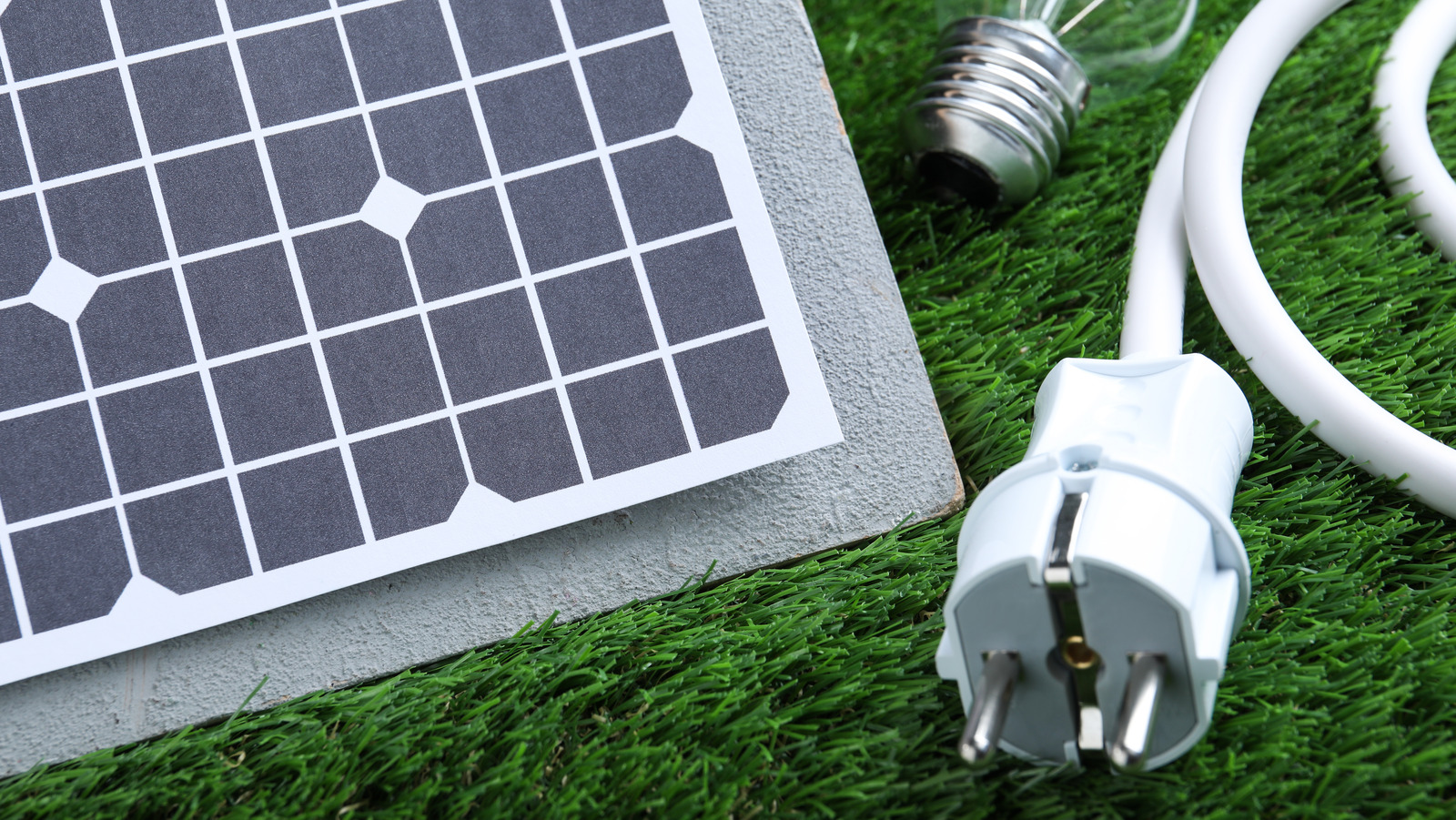 Are Plug In Solar Panels Any Good? Or A Waste Of Money?
Fun fact: In the UK, plug-in panels have become a cult hit among flat-dwellers. They’re often called "balcony solar"—a name so charming it could be a British rom-com title.
The Not-So-Fun Bits (Let’s Be Real)
Let’s talk about efficiency, because it’s the elephant in the sunny room. A 400-watt panel in perfect conditions will generate about 1.6 kWh on a summer day—enough to charge a laptop for a week. But your air conditioner? Laughs in 3,500 watts. You won’t be running a bitcoin mining rig off this thing.
And there’s the matter of safety. Cheap knockoff panels can overheat or cause electrical fires. Trust me, you don’t want to be the person whose solar panel becomes an autumn leaf pile igniter. Always buy UL or TÜV certified equipment. Also, never plug two panels into the same outlet without a dedicated circuit—your breaker box will lecture you.
Weather is another drama queen. Cloudy days reduce output by 60-80%. If you live in Seattle or London, your panel might double as a very expensive bird perch. But hey, even a cloudy day panel is still generating—just like you at work on a Monday.
Pro Tips for Maximum Sun-Harvesting Joy
Position is everything. South-facing, tilted at an angle equal to your latitude (roughly 30–40 degrees in most of the northern hemisphere) is the sweet spot. If you can’t get that, just point it vaguely toward the sun and call it "art." For bonus points, clean it with a spray bottle and microfiber cloth every few weeks—dust is the enemy of photons.
Check your electricity rate structure. If you’re on time-of-use pricing, plug in during low-rate hours and let the panel feed the grid during peak hours. It’s like stock trading, but with sunshine. And track your output with a smart plug or an app—watching the wattage rise is more addictive than any TikTok scroll.
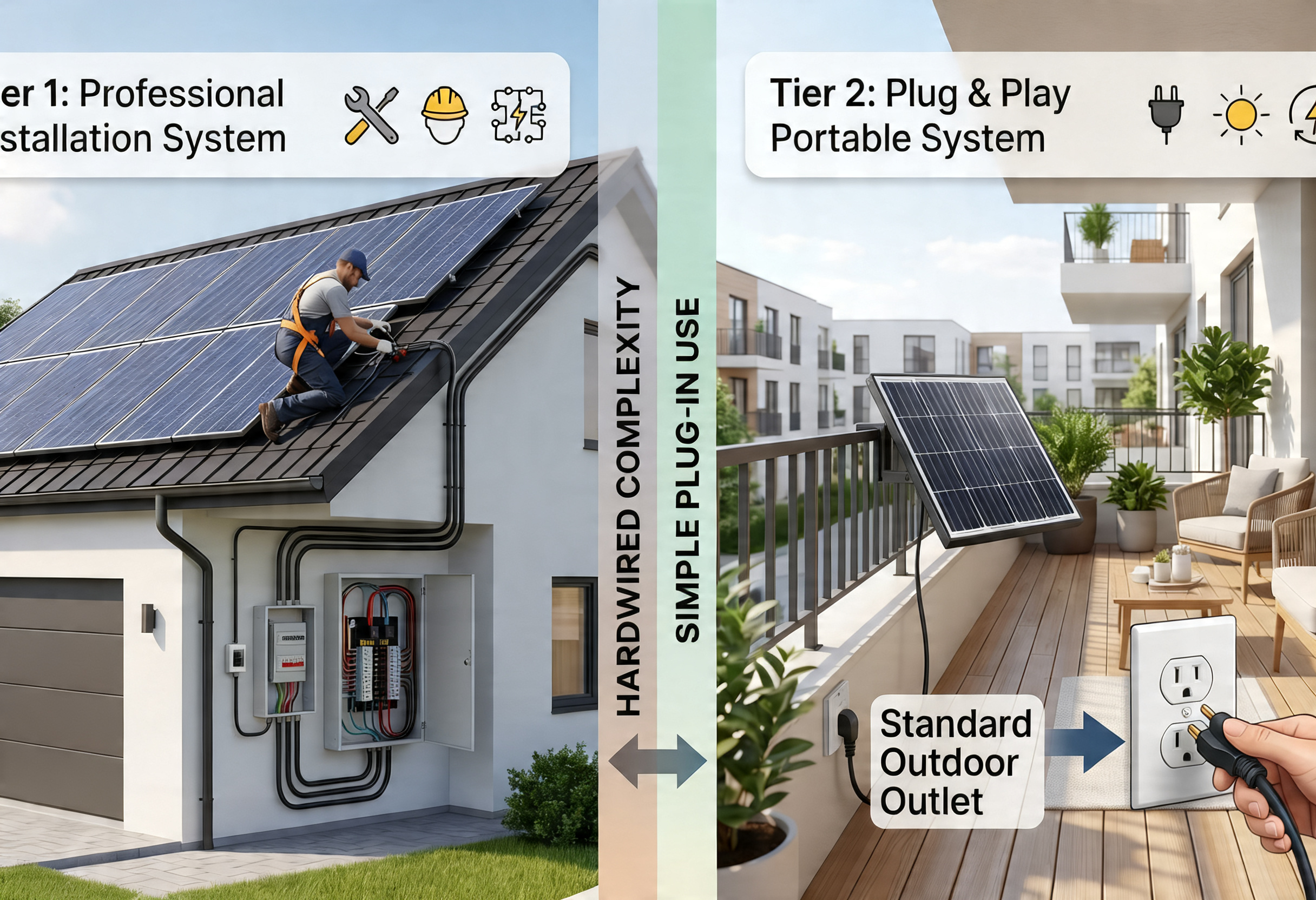 Colorado Just Legalized Plug-In Solar Panels - Apollo Energy
Pop culture bonus: Remember that scene in ‘The Simpsons’ when Homer gets a solar panel and his power bill goes up? That’s satire—but don’t be Homer. Read the manual.
Are They Actually "Good"? Let’s Settle This
If "good" means flawless and powerful, then no—plug-in solar is not good. But if "good" means practical, low-risk, and emotionally rewarding? Then yes, absolutely. They’re the avocado toast of green tech: not a meal, but a satisfying snack that makes you feel like you’re winning life.
I’ve had one sitting on my apartment balcony for eight months. It charges my phone, powers my reading lamp, and occasionally makes my neighbor jealous enough to ask questions. My grid bill dropped by about 8%—not a retirement fund, but enough for two extra oat lattes a month. And every morning, I see the little green light blinking on the microinverter and think: "Yes, I did that."
The real magic isn’t the savings—it’s the shift in mindset. You start noticing how much power you waste. That old desktop monitor you leave on? It’s suddenly an insult to your solar panel. You become a gentle nag to your housemates: "Did you turn off the fan? The sun is sleeping, darlings."
A Final Reflection on Sunshine and Small Wins
In a world that screams for big, dramatic solutions, plug-in solar offers a quiet, modular alternative. It’s the slow-burn romance of energy upgrades—unflashy, but reliable. You don’t need to save the planet all at once. You can save it one balcony, one outlet, one sunny afternoon at a time.
So, are plug-in solar panels any good? They’re exactly as good as your willingness to embrace small, imperfect actions. Like brewing your own coffee, fixing a zipper instead of tossing the jacket, or sending a postcard instead of a text. It’s not the grand gesture. It’s the daily practice of paying attention. And that, dear reader, is the real power—just a few hundred watts of it, aimed at the sun.
