Best Way To See The Aurora Borealis

Let’s be honest: seeing the aurora borealis is probably on your bucket list, right? It’s one of those rare, almost magical experiences that feels like the universe is putting...
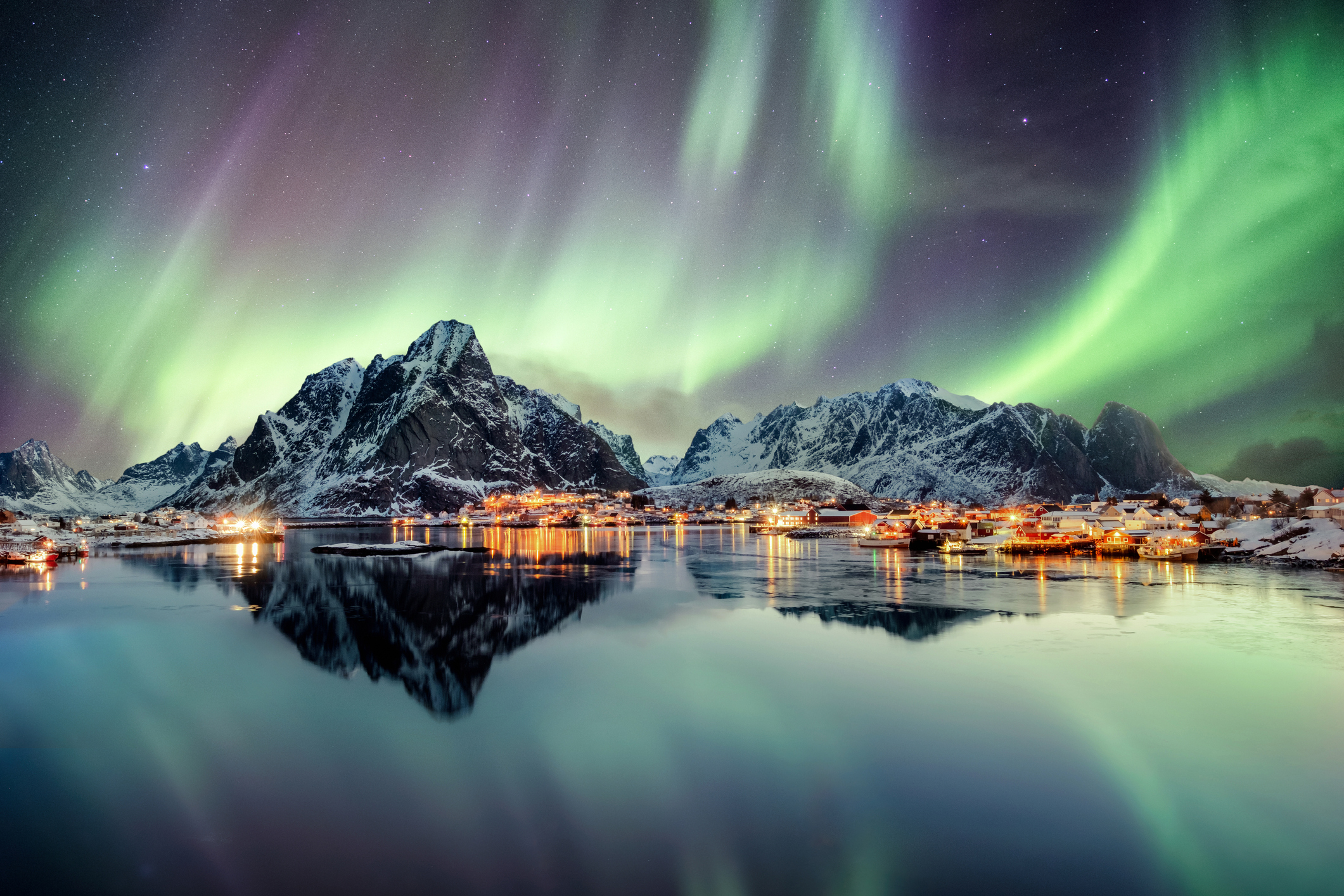
Let’s be honest: seeing the aurora borealis is probably on your bucket list, right? It’s one of those rare, almost magical experiences that feels like the universe is putting on a private light show just for you. And here’s the best part: chasing those dancing colors is actually way easier—and way more fun—than you think.
You Don’t Need a Spaceship (Just a Bit of Planning)
First, let’s bust a myth: you don’t need to be an Arctic explorer or survive a polar vortex. The secret sauce is darkness and solar activity. Basically, the sun burps a bunch of charged particles, and when they hit our atmosphere—bam!—you get ribbons of green, pink, and purple.
Your best bet? Go during equinox months—March, April, September, October. The magnetic field lines up perfectly, making displays more likely. Plus, the weather is often milder. Who says science can’t help you plan a vacation?
Must Read
Pick Your Spot Wisely (And Don’t Overthink It)
You don’t have to go to the North Pole. Places like Fairbanks, Alaska; Tromsø, Norway; or Yellowknife, Canada are gold mines for aurora hunters. They sit right under the “aurora oval,” which is basically nature’s VIP zone.
If you’re in the lower 48 states, don’t lose hope. A strong solar storm can push the lights down to Michigan, Minnesota, or even Washington state. Just check a Kp-index forecast (it’s like a weather report for space weather) and find a dark spot away from city lights.
Tools of the Trade: What to Pack
Here’s the gear that makes the difference: a decent tripod and a camera with manual mode. But honestly? Your smartphone can capture the lights if you use a long exposure app (like Night Mode set to 10–15 seconds).
More important than gear? Layers. Bring thermal underwear, a windproof jacket, and hand warmers. You’ll be standing still in the dark for hours, and shivering ruins the magic. Also, pack a thermos of hot cocoa. I’m not joking—it’s scientifically proven to make the lights look brighter.
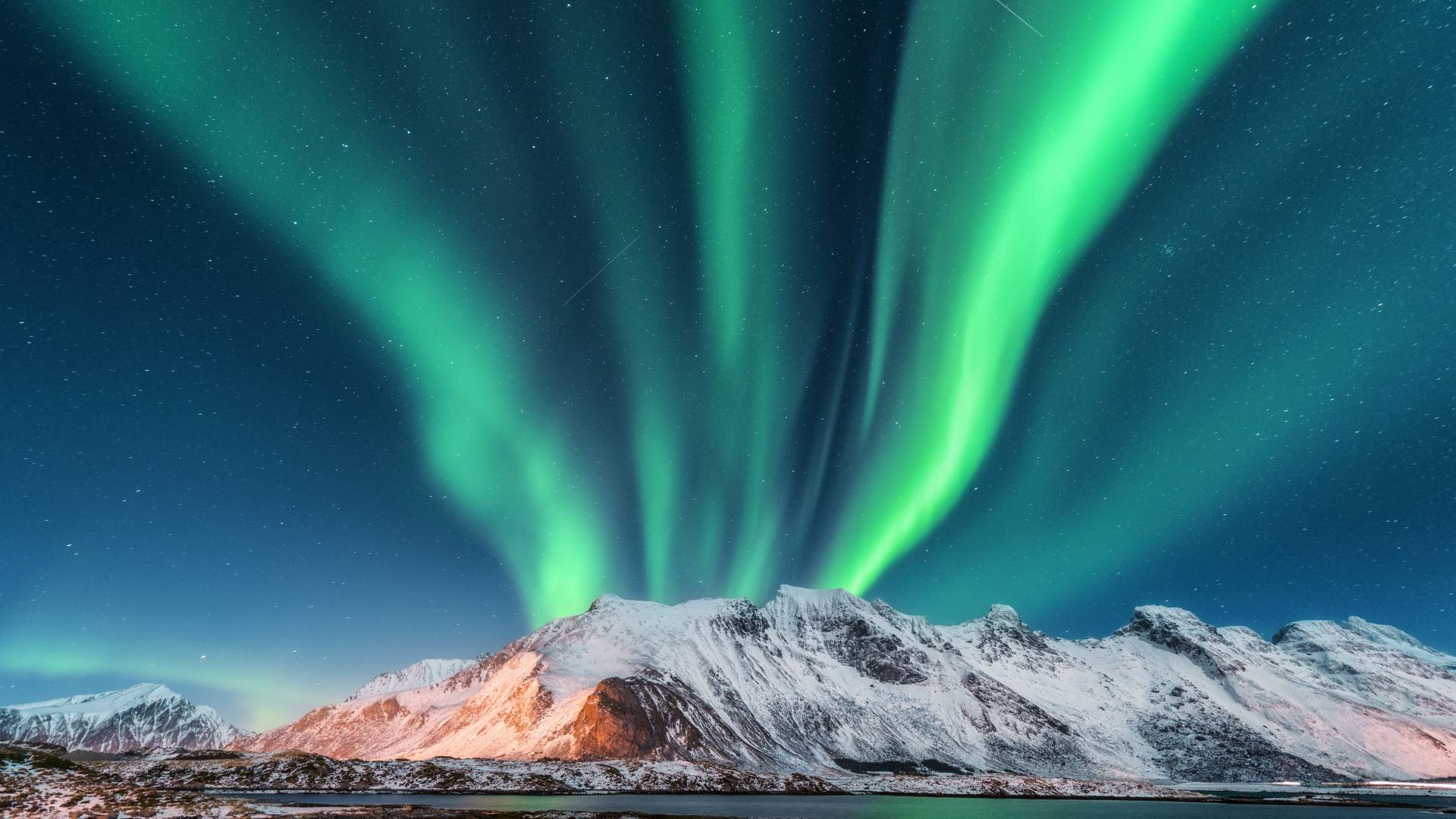 Where to See the Milky Way: The World's Best Dark Sky Locations ( Top
The Real Rules Are About Patience and Play
Here’s the thing: auroras are not on a schedule. They’re like a shy cat—they show up when they feel like it. So don’t go for one night. Book at least three to five nights. The average wait time is about two to three hours after dark, but it can happen at 10 PM or 3 AM.
Make it a game. Download aurora alert apps like My Aurora Forecast. Set up your camera, play Vivaldi’s Four Seasons on a speaker, and sip that cocoa. When the sky starts to shimmer, you’ll feel like you just won the cosmic lottery.
What to Do While You Wait (Because Waiting Is Part of the Fun)
Bring a red light headlamp—it won’t ruin your night vision or bother other viewers. Tell silly ghost stories. Count shooting stars (there are usually a few!). The key is to enjoy the night itself, not just the prize.
And if the aurora doesn’t show? You still got a night under a billion stars. That’s a win in my book. Plus, you can try again tomorrow. The sky isn’t going anywhere.
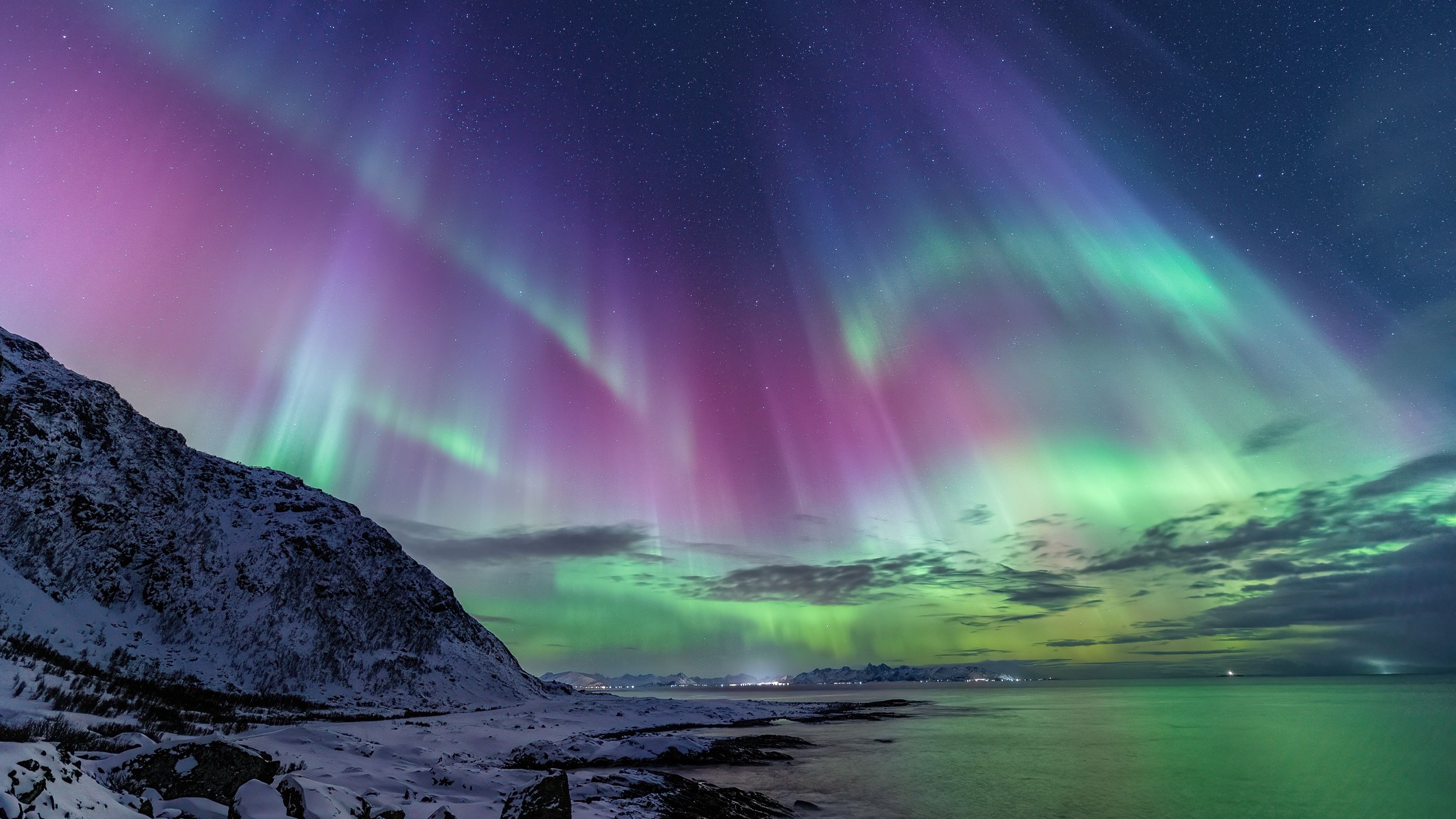 Real Northern Lights What Are The Northern Lights: The Aurora Borealis
Why This Chases Away the Mundane
Life gets heavy, right? Work emails, traffic, that thing you forgot to buy at the store. But standing under a curtain of green light that stretches from horizon to horizon? That reboots your brain. It reminds you that the world is still wild, beautiful, and full of surprise.
I’ll let you in on a secret: the best way to see the aurora is with someone you love—or even just yourself. The lights are a beautiful excuse to unplug, look up, and feel small in the best possible way.
Your Move, Star Seeker
So here’s your mission: pick a date, book a cheap cabin or a glass-domed igloo, and stare at the sky until your neck hurts. There is no “best” way except your way. You might see faint green wisps or a full-blown psychedelic dance—it doesn’t matter.
The magic isn’t just in the lights. It’s in the chasing. The anticipation. The moment you forget your cold toes because you’re laughing with strangers who are also pointing at the sky. You’ll come home with more than photos—you’ll come home with a story that makes your heart do a little shimmy.
Go find your light. The universe is waiting to show off for you. And hey, if you don’t see it the first time? Try again. That’s what makes life fun—the cosmic game of hide-and-seek never gets old.
