Can Gluten Free Flour Substitute All Purpose Flour

So, you’re staring at a bag of gluten-free flour in your pantry, wondering if it can really do the job your trusty all-purpose flour does. I’ve been there, friend. Standing ov...

So, you’re staring at a bag of gluten-free flour in your pantry, wondering if it can really do the job your trusty all-purpose flour does. I’ve been there, friend. Standing over a mixing bowl, hoping my cookies won’t turn into sandy hockey pucks. Let’s spill the tea – or, you know, the flour.
The Short, Honest Truth
Can you just swap them one-for-one? Nope. Not really. Not without some serious side-eyeing from your recipe.
All-purpose flour is a trooper. It’s got gluten, which gives baked goods that chewy, stretchy, hug-you-back texture. Gluten-free flour? It’s like a team of little helpers – rice flour, tapioca starch, xanthan gum – all working together, but they don’t always play nice.
Must Read
Think of gluten as the bouncer at a club. It keeps the structure tight. Without it, your cake might just collapse into a sad pile of crumbs. Drama, right?
What Actually Happens When You Try It
If you swap cup for cup, your muffins might come out dry, gritty, or dense. Like eating a sandcastle. Not the vibe.
Some gluten-free blends are better than others. A good one has starch for fluffiness and gum for binding. A bad one? It tastes like cardboard and sadness.
Here’s the kicker: liquid ratios change. Gluten-free flours are thirsty sponges. You might need an extra egg or more milk. Your dough might look like play-dough, not cookie dough.
When It Actually Works (Surprise!)
Okay, don’t panic. There are victories. For cookies? Sometimes a win. They spread less, stay thicker, and get a cute crinkle top.
Brownies? Gluten-free blends shine here. They get fudgy, not floury. It’s almost a cheat code for gooeyness.
Pancakes? Pfft, easy win. Just add a little more liquid and let the batter rest for ten minutes. Fluffy clouds, no one knows.
The Disasters You’ll Regret
Bread. Don’t do it. Not with a simple swap. You’ll get a brick you can use as a doorstop. Gluten-free bread needs its own sorcery – like apple cider vinegar or psyllium husk.
Pies? The crust will shatter like a tantrum. All-purpose flour makes it flaky and forgiving. Gluten-free? It’s a crumble waiting to happen.
Pasta? Oh honey, no. That’s a whole different ballgame. Store-bought gluten-free pasta is your friend here. Homemade? Prepare for sticky fingers and tears.
How to Actually Make It Work
First, read the label. Not all gluten-free flours are created equal. Look for one that says “cup for cup” or has xanthan gum already added. That’s your buddy.
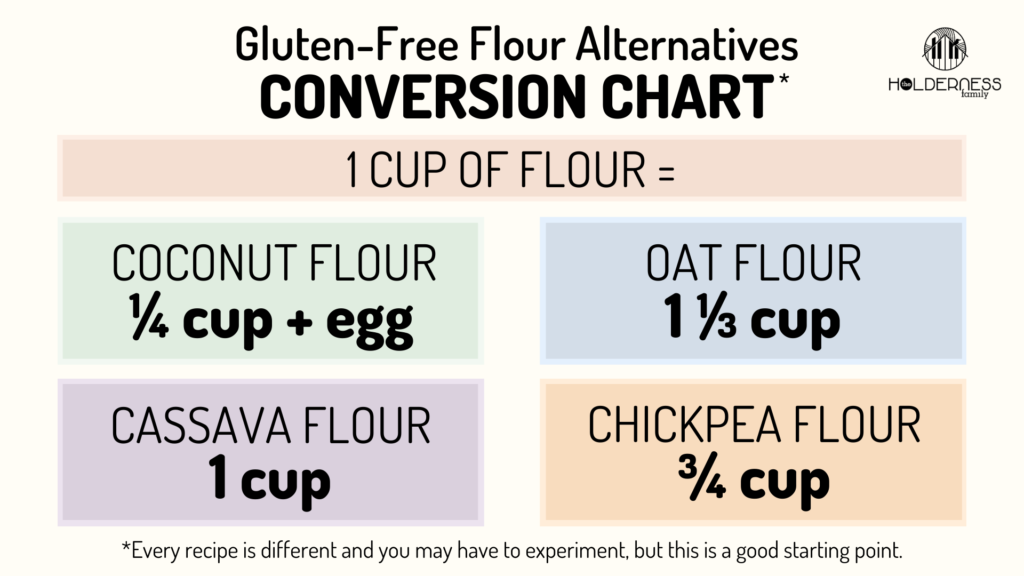 A Guide to Gluten-Free Flours - The Holderness Family
Second, add a binder. An extra egg, a splash of vinegar, or even a tablespoon of ground flax. Gluten-free dough needs a hug to stay together.
Third, don’t overmix. Seriously. Overmixing makes gluten-free batters gummy. Stir just until combined, then walk away. No, really. Walk away.
The Secret Weapon: Resting
Let your batter or dough rest for 20–30 minutes. This lets the starches absorb moisture and relax. Magic happens.
Your cookies will be less gritty. Your cakes will rise better. It’s like giving your flour a little spa day before the oven.
I promise, this one trick separates the “meh” from the “oh wow, is this really gluten-free?”
When You Should Just Buy the Real Stuff (Even if You’re GF)
If you’re making croissants, puff pastry, or delicate layered cakes, accept your limits. Gluten-free flour will betray you here.
Those recipes rely on gluten’s elastic superpowers. Without it, you’re fighting physics. And physics always wins.
For everything else – quick breads, muffins, brownies, cookies, pancakes – a good gluten-free blend is a solid B+ student. Good enough for a Tuesday night, maybe even for company if you’re sneaky.
The Final Verdict (From One Baker to Another)
Can gluten-free flour substitute all-purpose flour? Yes, but with drama. It’s like asking if a cat can substitute a dog. They both are pets, but one will knock your coffee off the table.
Start with a trusted recipe, not a blind swap. Follow the liquid and binder rules. And don’t expect a perfect clone – embrace the difference.
You might discover a new favorite. A denser cookie. A chewier brownie. And honestly? That’s not a bad trade for a little experiment written in flour dust.
Now go forth, bake something, and text me the results. I’ll be here, eating my gluten-free cookies with zero shame.
