Can I Bring A Laptop On A Plane

You’re standing in the security line, clutching your laptop like a security blanket, and a quiet dread creeps in. Will the TSA agent give you the side-eye? Will your precious...
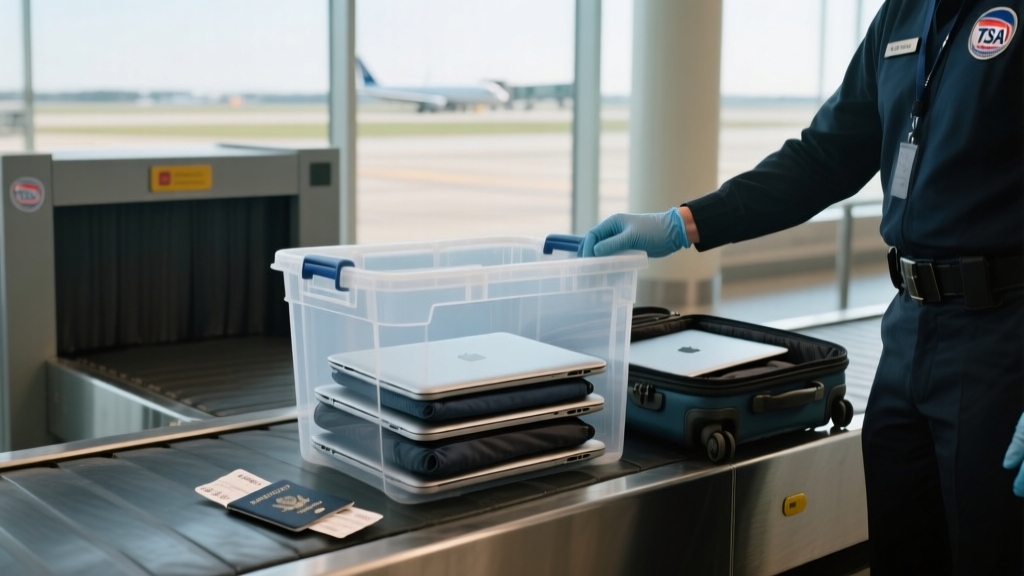
You’re standing in the security line, clutching your laptop like a security blanket, and a quiet dread creeps in. Will the TSA agent give you the side-eye? Will your precious MacBook get banished to the cargo hold? Relax. The short answer is a resounding yes—you can absolutely bring a laptop on a plane. In fact, it’s one of the few travel essentials that the aviation gods have blessed with near-total approval.
But before you toss it into your carry-on like a bag of chips, let’s get the specifics. The Federal Aviation Administration (FAA) doesn’t ban laptops; they just ask you to remove them from your bag during the security checkpoint. This rule exists because laptops are dense, rectangular mysteries that X-ray machines struggle to see through. Think of it as a digital pat-down—a necessary evil for keeping the skies friendly.
Here’s where it gets spicy: you don’t have to remove it if you have a TSA-approved laptop bag. These clever contraptions have a dedicated compartment that unzips flat, so your computer stays inside while the agent gets a clear view. It’s like a magic trick for the security line—just zip, slide, and wave goodbye to your neighbor’s envy.
Must Read
The Lithium Battery Drama
Your laptop’s soul—the lithium-ion battery—has its own set of rules. Airlines love these batteries, but only if they’re in your carry-on, not checked luggage. Why? Because a runaway battery in the cargo hold is a recipe for a very bad day (think Hollywood disaster film). The FAA mandates you keep all portable electronics with lithium batteries in the cabin, where crew can tackle a fire with a special containment bag.
Pro tip: If your battery is swollen or damaged, leave it at home. Airlines treat swelling batteries like a snarling raccoon—it’s not welcome. Also, avoid packing a spare laptop battery. Most airlines cap spare lithium batteries at 100 watt-hours, and you’ll need to keep them in your personal item. It’s a nerdy little detail that could save your trip.
And here’s a fun fact: In 2020, a passenger’s laptop battery actually caught fire on a flight from Hawaii to Japan. The crew used a Fire Containment Bag—a Kevlar-like pouch—to extinguish it. So, yes, your laptop is a tiny, volatile dragon. Treat it with respect.
The International Twist
Flying international? The rules shift slightly. Certain countries, like the United Kingdom and China, have banned laptops in the cabin on specific routes from the Middle East. This was a post-2017 security measure after intelligence suggested laptops could be weaponized. But for 99% of flights, it’s business as usual: laptop in the carry-on, out for screening, and you’re golden.
 Can You Bring A Desktop Computer On A Plane at Edward Varley blog
One cultural nod: In Japan, airports provide small plastic trays specifically for laptop removal. It’s a polite, orderly ritual that feels like a tea ceremony for tech. Meanwhile, in European airports, you might see a sign that says “Tablets and laptops only, please,” and everyone complies like a silent ballet. Travel is weirdly beautiful.
Practical tip: Pack your laptop in a padded sleeve, not a semi-soft case. You’ll toss your bag into overhead bins, and a bump can crack the screen. Trust me—I’ve seen a MacBook Air meet its demise against a Samsonite hard case. It’s not pretty.
What About the In-Flight Experience?
Once you’re past security, the laptop becomes your best friend. Use it to binge Netflix, finish that work report, or play Stardew Valley at 35,000 feet. But here’s a modern etiquette rule: Don’t be that person with the screen cranked to full brightness in a dark cabin. It’s a blinding assault on your seatmate’s retinas. Dim it down, or use a privacy screen filter.
Also, power outlets are no longer a myth. Most modern planes have USB ports or AC outlets under the seat. But bring a fully charged laptop anyway. Those outlets can be finicky, and the person in seat 12B might hog the one functional port for three hours. C’est la vie.
And remember: Your laptop is not a panini press. Don’t place it on the tray table during turbulence. The tray table is for snacks, tiny cups of soda, and the existential dread of a 5-hour delay. Your laptop deserves a safe lap.
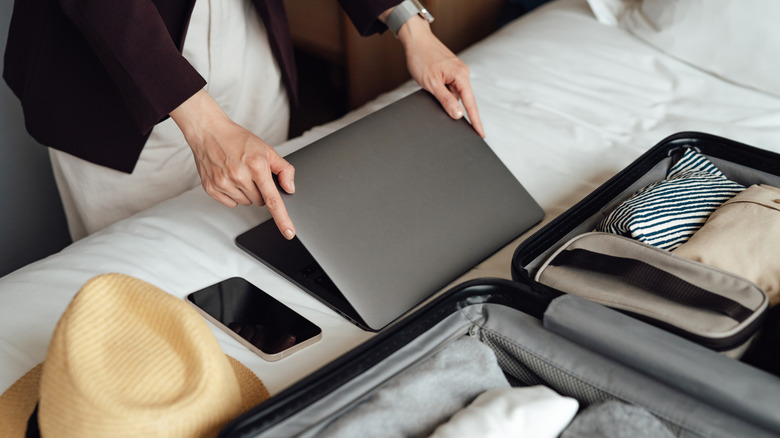 Can You Check Your Laptop On A Plane? Here's What TSA Has To Say
Packing Hacks for the Tech-Savvy Traveler
Pack your laptop in an easy-to-access pocket of your carry-on. You’ll thank yourself when security demands it out in under 15 seconds. Also, keep a charging cable in your personal bag—not your checked luggage. If your carry-on gets gate-checked (a common tragedy for budget airlines), you’ll be powerless for hours.
Fun fact: The average person checks their phone 96 times a day. On a plane, that drops to 12. So, your laptop becomes your digital lifeline. Use it wisely—or use it to write a passive-aggressive note about the person reclining into your knees. Your choice.
Finally, a cultural reference: In the movie Up in the Air, George Clooney’s character uses his laptop as a shield against human connection. Don’t be that guy. Look up, talk to your seatmate, or just stare out the window. The laptop can wait.
The Daily Life Connection
So, can you bring a laptop on a plane? Yes—easily, safely, and with a touch of style. But the real question is: should you? In a world where we’re glued to screens, a flight offers a rare chance to disconnect. Maybe pack a paperback too. Or a journal. Or just let your mind wander for a few hours.
After all, the best travel memories aren’t found in a USB-C port. They’re in the fleeting smile of a stranger, the glow of a sunrise at 30,000 feet, or the simple joy of realizing you can bring your laptop—but you don’t always have to. Safe travels, digital nomad.
