Can I Replace Self Rising Flour With All Purpose Flour

So, you’re halfway through a recipe for fluffy biscuits or a tender cake, and you hit a wall. The ingredient list says self-rising flour, but all you have is that trusty bag o...
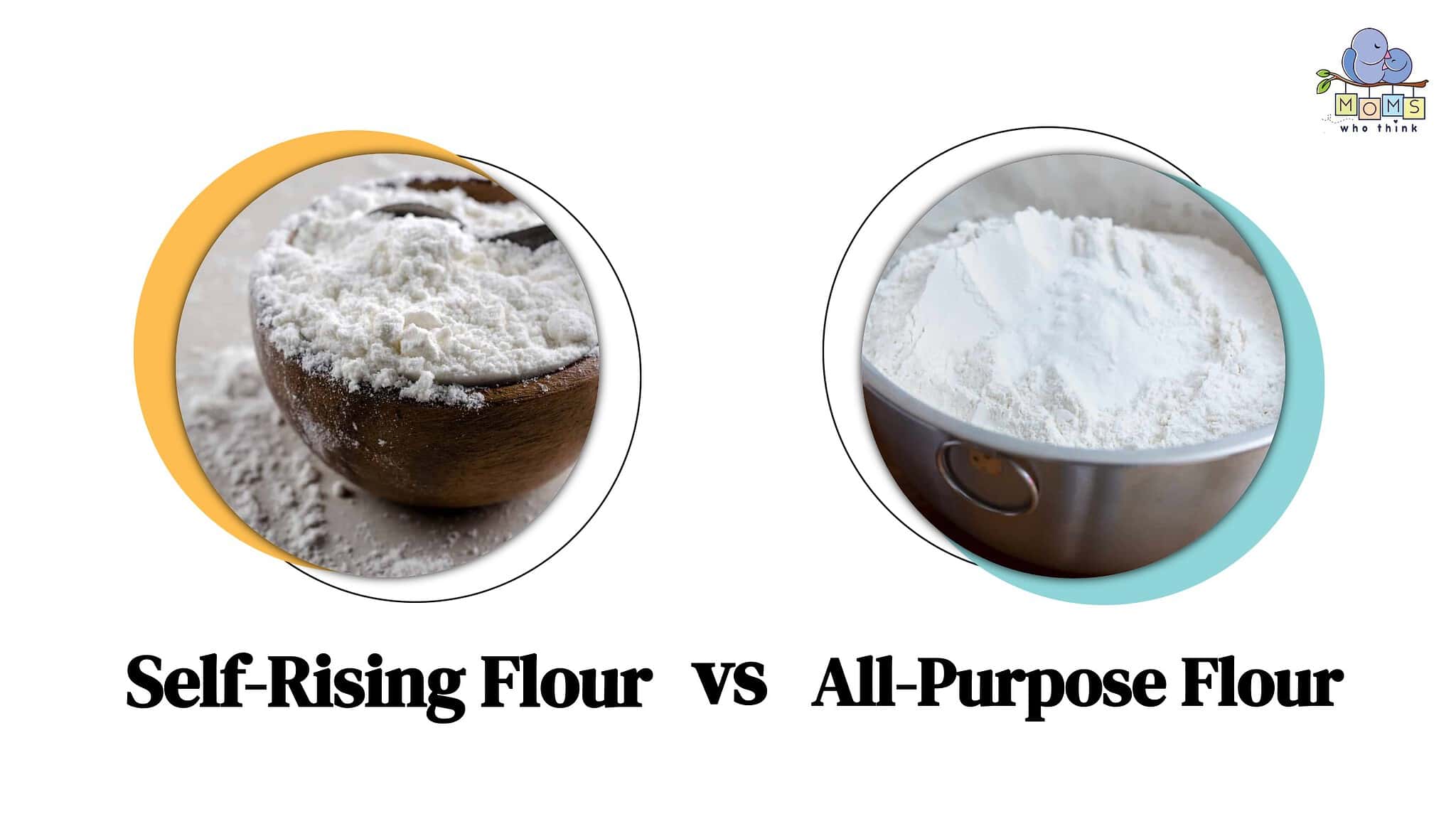
So, you’re halfway through a recipe for fluffy biscuits or a tender cake, and you hit a wall. The ingredient list says self-rising flour, but all you have is that trusty bag of all-purpose flour staring back at you. Panic sets in, right? Don’t worry, let’s hash this out over our imaginary coffee.
First, let’s get real about what self-rising flour actually is. It’s not some magical fairy dust. It’s just all-purpose flour that already has baking powder and a little salt mixed in. That’s it. No secret handshake required.
So, can you replace self-rising flour with all-purpose flour? Yes, absolutely. But you can’t just swap them one-for-one and hope for the best. That’s like trying to bake a cake with sugar cubes instead of granulated—technically possible, but messy.
Must Read
The Simple Math of the Swap
Here’s the cheat code you need: For every 1 cup of self-rising flour your recipe calls for, use 1 cup of all-purpose flour. Then, add 1 ½ teaspoons of baking powder and ¼ teaspoon of salt. Stir it all together with a whisk. Boom, you’ve made DIY self-rising flour.
If the recipe already calls for salt or baking powder separately? Hold your horses. You might need to adjust those amounts so things don’t get too salty or fizzy. Check the original recipe’s salt count—if it asks for a full teaspoon, cut it back a little.
Why the fuss? Leavening is everything. Without that baking powder boost, your muffins will be flat as a pancake (and not in a good way). You want lift, not lead.
When You Absolutely Shouldn’t Try This
Okay, so this swap works wonders 95% of the time. But let’s talk about the 5% where you’ll curse my name. Biscuits. Southern-style, flaky, buttery biscuits are a different beast entirely.
Self-rising flour in biscuits is often made with soft wheat, which has less protein than standard all-purpose flour. That means your biscuits might turn out tough or dense. Like hockey pucks. Not the vibe you’re going for.
If you’re making biscuits, buy self-rising flour. Or use a low-protein all-purpose flour (like White Lily) and add the baking powder and salt yourself. Your biscuit soul will thank you.
But What About Cakes, Cookies, and Pancakes?
For cakes, the swap is practically foolproof. Just remember the 1 ½ teaspoons baking powder + ¼ teaspoon salt rule. Your vanilla cake will still be tall and tender. No one will know you cheated.
Cookies? They typically don’t need much lift anyway. If a cookie recipe calls for self-rising flour, you’re probably making a drop cookie or a snickerdoodle. The swap works fine, but you might get a slightly denser cookie. Not a tragedy.
Pancakes? Heck yes. In fact, I prefer using all-purpose flour with extra baking powder because I can control the fluffiness. Plus, you can add a pinch of sugar if you’re feeling wild.
 Self Rising Flour All Purpose Flour Conversion | Detroit Chinatown
The Salt Factor: A Tiny Detail That Matters
Here’s a sneaky trap: self-rising flour has salt, usually about ¼ teaspoon per cup. But some brands are saltier than others. If you’re using salted butter or adding extra salt elsewhere, you might end up with salt lick muffins.
Taste your batter before you bake it. If it tastes like the ocean, back off the salt. You can always add more, but you can’t take it out. Unless you’re a wizard.
Another pro tip: Whisk your dry ingredients really well. You want that baking powder distributed evenly, or you’ll get one puffy corner and one sad, sunken corner. Nobody wants a lopsided scone.
What If You’re Out of Baking Powder Too?
Oh, you’re in a pickle now. If you don’t have baking powder, you can use a DIY version: mix ¼ teaspoon baking soda with ½ teaspoon cream of tartar for every cup of flour. That’s one cup of all-purpose flour plus the baking soda and cream of tartar.
But don’t forget the salt. Add that ¼ teaspoon too. You’ve basically become a mad scientist in your kitchen. Congratulations.
If you’re out of cream of tartar? Use buttermilk or yogurt instead of regular milk. The acid in buttermilk reacts with the baking soda to create lift. It’s like chemistry, but tastier.
The Bottom Line (Because Coffee Chat Needs a Wrap-Up)
So, can you replace self-rising flour with all-purpose flour? Yes, with two tweaks: bake powder and salt. It’s cheap, easy, and might even make you feel a little smug. Like you hacked the system.
Just don’t try it on grandma’s biscuit recipe unless you’re ready for a family scandal. For everything else? Go wild. Your pancakes, cookies, and cakes will be just fine, I promise.
And hey, if you mess up, call it “rustic” or “artisanal.” Works every time. Now go bake something—and save me a bite.
