Can I Share A Kindle Book

So there I was, sitting in a cramped airport lounge, my flight delayed by three hours. I had just finished the last chapter of my Kindle book, and the only thing more desperat...

So there I was, sitting in a cramped airport lounge, my flight delayed by three hours. I had just finished the last chapter of my Kindle book, and the only thing more desperate than my need for a new story was the battery on my phone—down to 8%. I looked over at the guy next to me, engrossed in what looked like the exact same sci-fi epic I’d just finished. "Hey," I whispered, "can you, uh, share that book with me?" He gave me a look that said, "You clearly haven't used a Kindle before." And that, my friends, is how I learned the glorious, confusing, and slightly heartbreaking truth about sharing ebooks.
Let’s get one thing straight right now: Yes, you can share a Kindle book—but it’s not like handing a paperback to your buddy. Amazon has built a system that’s part generosity, part digital Fort Knox. It’s called the Family Library, and it’s both a lifesaver and a bit of a headache. But hey, nothing worth having is ever simple, right?
The "One Book, Two Readers" Myth
First, the bad news: you can’t just beam a book to a friend the way you’d share a Spotify playlist. That’s because Amazon wants you to buy your own copy—shocking, I know. If you try to lend a book via the old “Manage Your Content and Devices” page, you’ll find that most modern Kindle books don’t even have the lending option activated by publishers. It’s like walking into a library and being told, “Sorry, this book is glued to the shelf.”
Must Read
But wait! There’s a loophole, and it’s called Amazon Households. You can link two adult accounts together—plus a few kids’ profiles—and then share your entire library. Sounds perfect, right? Well, there’s a catch: you and your sharing partner have to share everything, including your payment methods and purchase history. So if you’re not ready for your mom to see that trashy romance novel you bought at 2 AM, this might get awkward.
The Fine Print That Nobody Reads
Here’s where it gets genuinely ironic. Even within a Household, you can’t read the same book at the same time. If you’re both part of the same family group, only one of you can have the book “checked out” at any given moment. Imagine a digital book with a physical turn-based system—like a library for two people, but with more passwords. So if you and your roommate want to binge the same thriller on a road trip, it’s a “no-go” unless you take turns sleeping.
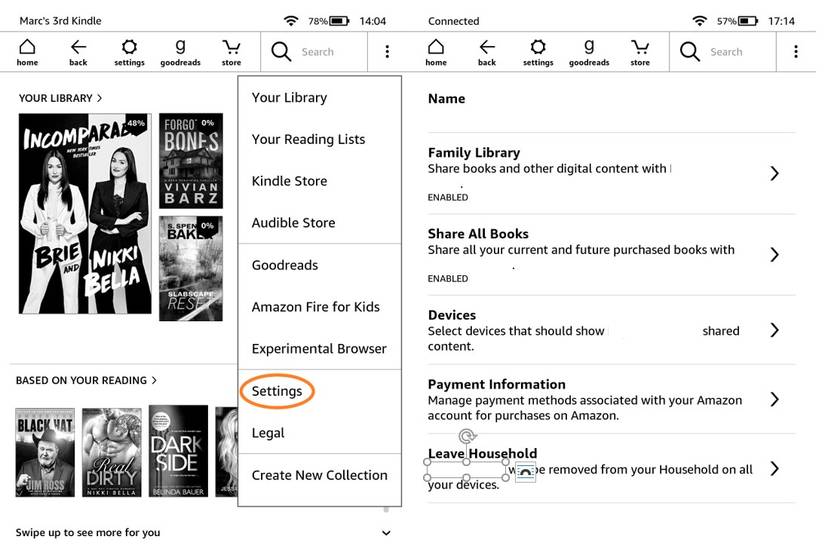 How to Share Kindle Books With Other Family Members
And don’t even get me started on the publisher restrictions. Some books—especially from Big Five publishers—are simply excluded from sharing altogether. You’ll see that little lock icon and think, “Wait, I paid for this?” Yes, you did. But you only paid for a license, not ownership. Fun, right? It’s like buying a car that only works when the dealership says it’s okay to drive.
Now, let’s talk about the kindest workaround that Amazon secretly allows: Whispersync for household. If you’re in the same Amazon Household, you can pick up a book on your Kindle, and your partner can pick it up on their phone—but again, not at the same time. It’s like sharing a single physical book that teleports between your houses. Handy, but clunky. I once tried to sync a book with my sister while she was on vacation, and we ended up losing our places three times. The technology works, but the social contract is a mess.
What About Free Books? No, Not Those Kind
You might be thinking, “Okay, fine, I’ll just share my Kindle Unlimited books instead!” Nope. Kindle Unlimited titles are non-transferable—they’re tied to your subscription like a Netflix account tied to your email. You can’t even lend them to the person sitting next to you. That’s why I now refer to KU as “my personal library with a bouncer who checks IDs.”
/Lifewire_How_To_Share_Kindle_Books_1357785_V1-0231ba2b530c48cdbcb074f3dd2b0cd8.png) How To Share An Amazon Kindle Book at Marilyn Stumpf blog
How To Share An Amazon Kindle Book at Marilyn Stumpf blog
But here’s a pro tip that feels like cheating: You can share a Kindle book manually if you remove the DRM. Yes, I went there. Technically, it’s against Amazon’s terms of service. Practically, it’s the only way to truly share a book with a friend who lives across the country. If you’re tech-savvy (and a little rebellious), you can use tools like Calibre to strip the protection and send the file as a PDF or EPUB. But I’m not telling you to do that—I’m just saying it’s possible. And if you do it, don’t tell Amazon I sent you.
The Real Question: Should You Even Bother?
After all this, you might be wondering if sharing a Kindle book is worth the hassle. Honestly, it depends on your relationship with the person. For a one-time loan, it’s a headache. For a partner or sibling you trust with your Amazon password, it’s actually a pretty sweet deal. I now share my library with my dad, and he’s discovered authors he never would have tried. Our shared books have become a weirdly intimate bonding experience—like passing notes, but in 300 pages.
So yes, you can share a Kindle book—but only if you’re willing to navigate the rules, accept the limits, and maybe break a few. Or you could just buy them a gift card and let them buy their own copy. That’s what I do when I want to avoid the guilt. But if you’re stubborn like me, you’ll set up a Household, explain to your friend that they can’t read the book while you’re reading it, and hope they don’t ask about your purchase history. Happy reading—and good luck out there.
