Can I Substitute Regular Flour For Gluten Free Flour

So you’ve decided to bake a cake. You’re feeling confident—maybe even a little smug. You’ve got your butter, your sugar, your eggs, and that dusty bag of regular all-purpose f...
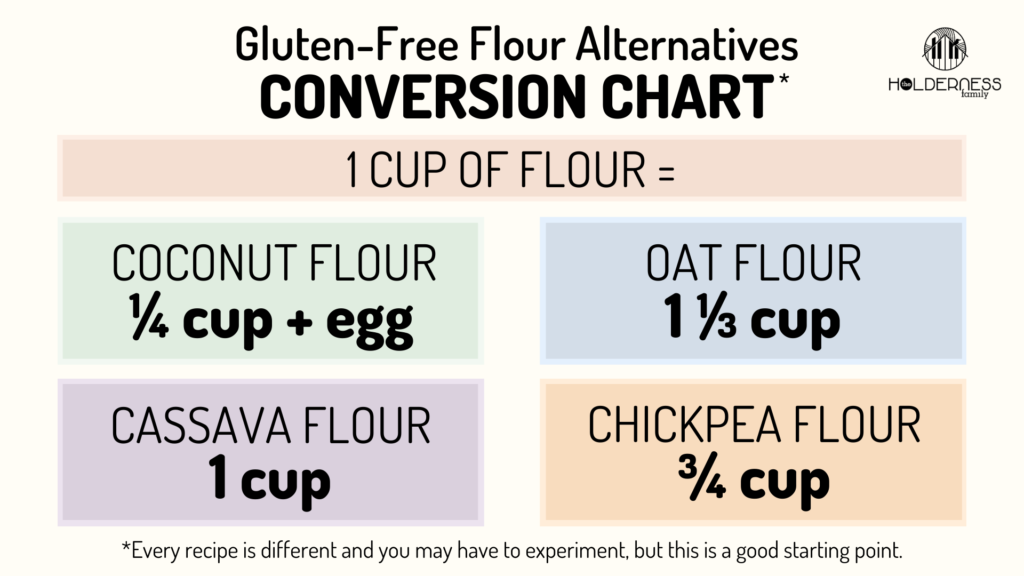
So you’ve decided to bake a cake. You’re feeling confident—maybe even a little smug. You’ve got your butter, your sugar, your eggs, and that dusty bag of regular all-purpose flour. But then your phone buzzes. Your friend, the one who brings kale chips to parties, texts: “I’m gluten-free now. Can you make the cake with gluten-free flour?”
Suddenly, your smugness evaporates faster than a soufflé in a slammed oven. You stare at the flour. It stares back. The question hangs in the air: Can you just substitute regular flour for gluten-free flour? The short answer is: absolutely not, unless you’re hosting a bake sale that doubles as a demolition derby. Let me explain why, and I’ll try not to make you cry into your batter.
The Great Gluten Conspiracy
First, let’s get real about gluten. Gluten is the stretchy, rubbery protein network that makes regular flour act like a tiny, well-trained construction crew. It builds the structure of your bread, holds your cake together, and gives your cookies that satisfying chew. Gluten is the architectural genius of the baking world.
Must Read
Now, imagine gluten-free flour. It’s like hiring a construction crew that showed up drunk, forgot the blueprints, and brought a bag of sand instead of bricks. Gluten-free flours are made from things like rice, almond, coconut, or potato starch. They have zero structural ambition. They just want to be powdery and hang out.
So if you swap them one-for-one, your cake will not rise. It will collapse into a sad, dense pancake that tastes vaguely of disappointment. One-to-one substitution is a recipe for a gluten-free hockey puck. I’ve made that hockey puck. It wasn’t tasty, even with extra icing.
But Wait—There’s a Glimmer of Hope
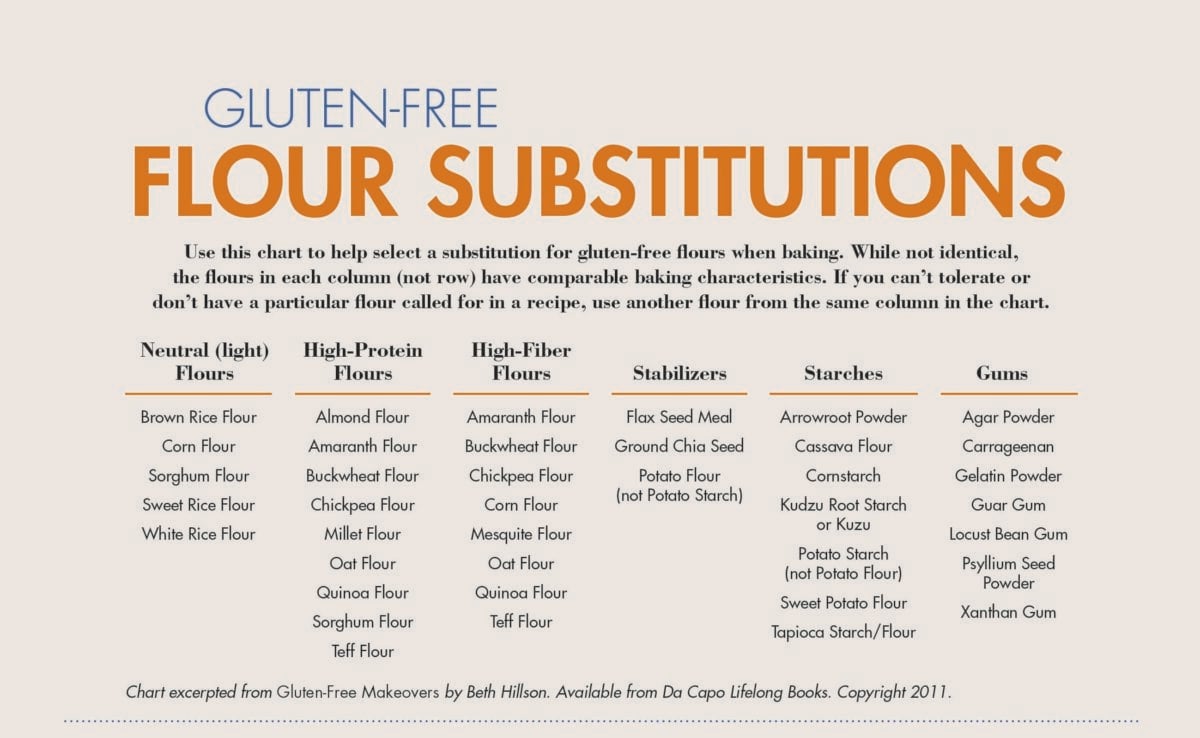
Here’s the surprising fact: You can actually use gluten-free flour as a substitute—if you’re willing to play mad scientist. See, bakers have invented special blends called “all-purpose gluten-free flour mixes” that already contain binders like xanthan gum or psyllium husk. These chemicals mimic gluten’s stretchy powers. They’re like superhero sidekicks for a powerless flour.
If you buy one of those pre-mixed blends (like the kind in the purple bag at the store), you can often substitute it almost one-for-one. But even then, you’ll need to add a little more liquid. Gluten-free flours are thirsty little monsters. They drink up moisture like a teenager at a soda fountain. So add an extra egg or a splash of milk. Trust me, your cake will thank you.
But what if you’re a purist? What if you want to use that bag of bland, single-ingredient gluten-free flour from your pantry? My advice: don’t even try. Unless you’re making a dense brownie or a bar cookie that doesn’t need to rise, you’ll end up with a crumbly disaster. And crumbling is cute on a cookie, but not when your birthday cake disintegrates on the plate.
 Ultimate Guide to Gluten-Free Baking - Gluten Free & More
The Pancake Test (A Scientific Experiment)
Let’s do a little experiment. Grab your regular flour and your gluten-free flour. Make two identical pancakes—one with each. Cook them side by side. The regular pancake will fluff up like a cloud. The gluten-free pancake will spread out like a sad, pale alien that landed on your skillet and gave up. The gluten-free pancake will also taste like cardboard. That’s not a guess; that’s science.
I once tried to make gluten-free bread using regular flour’s recipe. I ended up with a doorstop. A very crumbly, tasteless doorstop. I used it to prop open a window for a week. True story. Well, mostly true.
The Final Verdict (With a Joke)
So, can you substitute regular flour for gluten-free flour? Yes, if you enjoy weeping. But seriously, if you have a gluten-free guest, do this: buy a good gluten-free blend, follow a recipe designed for it, and prepare to lose a bit of texture. You won’t get the same stretchy, airy crumb. You’ll get something more crumbly, more dense, and maybe a little sandy. But it won’t be a hockey puck.
And if you mess up? Call it a “rustic, free-form cake.” I’ve done that. Everyone nodded politely. They ate it anyway, because they were hungry, and because cake is cake—even when it’s made from a flour that has an identity crisis.
Just remember: gluten-free flour is not a liar; it’s just a different kind of flour. Treat it with respect, add extra liquid, and maybe invest in some xanthan gum. Or just stick with regular flour and make a separate gluten-free treat for your friend. That’s called being a good host—and saving yourself from a cake that tastes like cardboard with frosting.
Now go forth and bake. Or run to the store for a gluten-free mix. I’ll be here, eating my hockey puck. It’s actually not bad with enough chocolate chips.
