Can I Substitute Self Rising For All Purpose Flour

Let’s be honest: you’re standing in your kitchen, a recipe for “Fluffy Buttermilk Pancakes” in one hand, and a half-empty bag of self-rising flour in the other. Again. You kno...
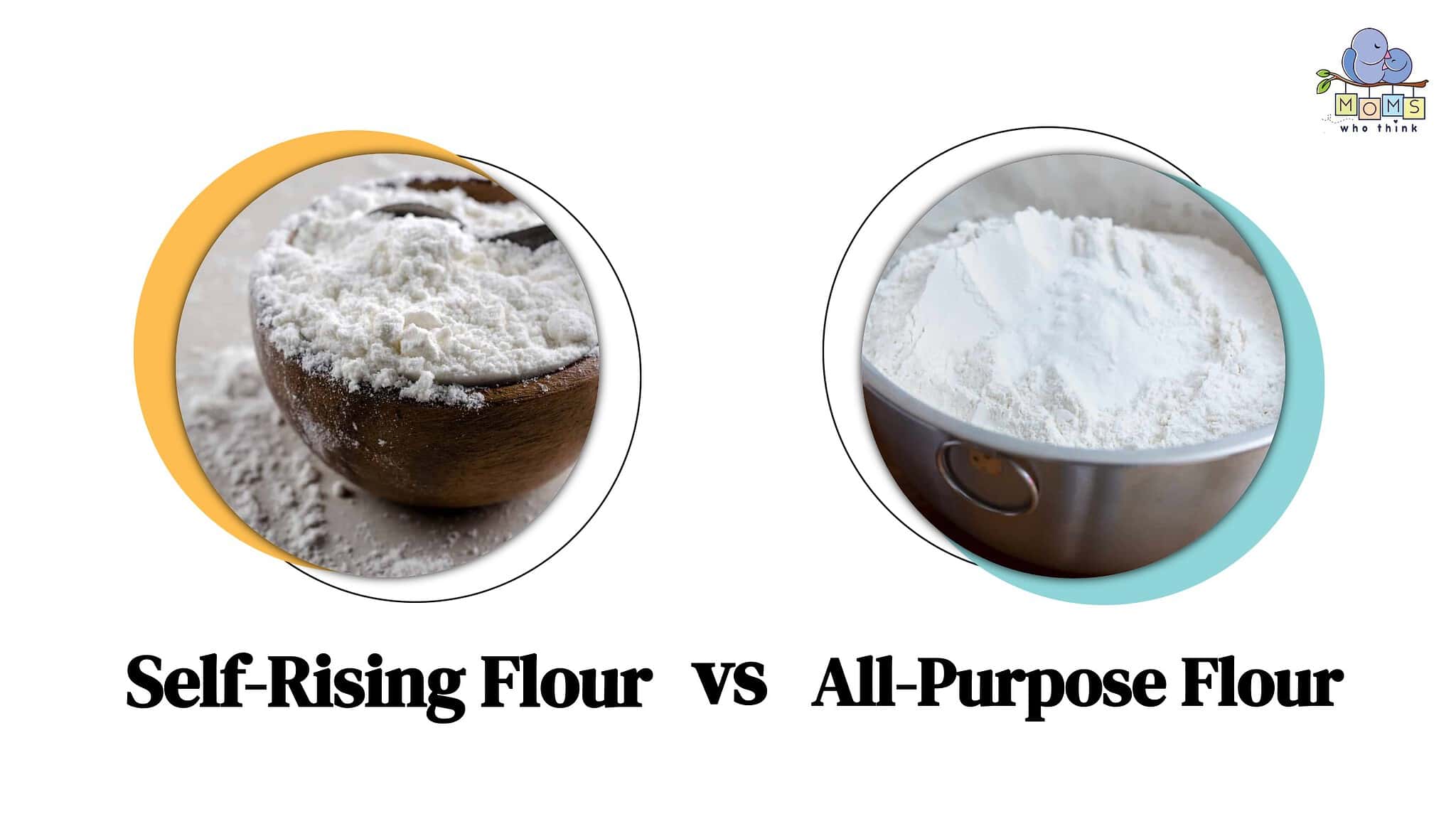
Let’s be honest: you’re standing in your kitchen, a recipe for “Fluffy Buttermilk Pancakes” in one hand, and a half-empty bag of self-rising flour in the other. Again. You know you need all-purpose flour, but the self-rising is staring at you, asking for a chance. Can you just swap them and call it a day?
The short answer is: Yes, but you have to play a little game of kitchen math. Think of it like swapping your best friend for a cousin at a family dinner. It can work, but you need to adjust the seating chart.
Self-rising flour is basically all-purpose flour that already has baking powder and salt mixed in. It’s the “ready-to-wear” of the flour world. All-purpose is the “blank canvas” that needs you to add your own leavening and salt.
Must Read
The Big Difference: The Chemistry of a Good Scone
Imagine you’re making a batch of crispy, golden fried chicken. You want a crust that’s light, not a puffy pillow. If you use self-rising flour straight up, you’ll get a weird, cake-like coating. That’s not what you want.
Meanwhile, if you’re making a quick loaf of banana bread, self-rising can be a total lifesaver. It’s already got the lift built in. You just mash, mix, and bake. No measuring extra powders.
The rule of thumb? One cup of self-rising flour equals one cup of all-purpose plus 1 ½ teaspoons of baking powder and ¼ teaspoon of salt. Write that on a sticky note for your fridge.
When You Should NOT Swap (Please, Don’t)
My neighbor Gina once tried to make yeast bread with self-rising flour because she was out of white flour. The result? A dense, salty brick that her dog wouldn’t even sniff. Yeast and self-rising flour do not get along.
Also, avoid it for delicate pastries like croissants or pie crusts. Those rely on very specific gluten development and zero extra lift. Self-rising will make them taste like a salty biscuit.
And please, please don’t use it for noodles or pasta. You want a firm, chewy texture for spaghetti, not a fluffy, cake-like noodle. That’s a textural tragedy.
The Perfect Swap Scenario: Your Weeknight Dinner
Let’s paint a picture. It’s Wednesday. You’re making chicken and dumplings. The recipe calls for all-purpose flour. You have self-rising.
Here’s what you do: Reduce the salt in the dumpling dough by about ¼ teaspoon per cup of flour. Also, skip any baking powder the recipe might ask for. Your dumplings will be lighter, fluffier, and actually, kind of perfect.
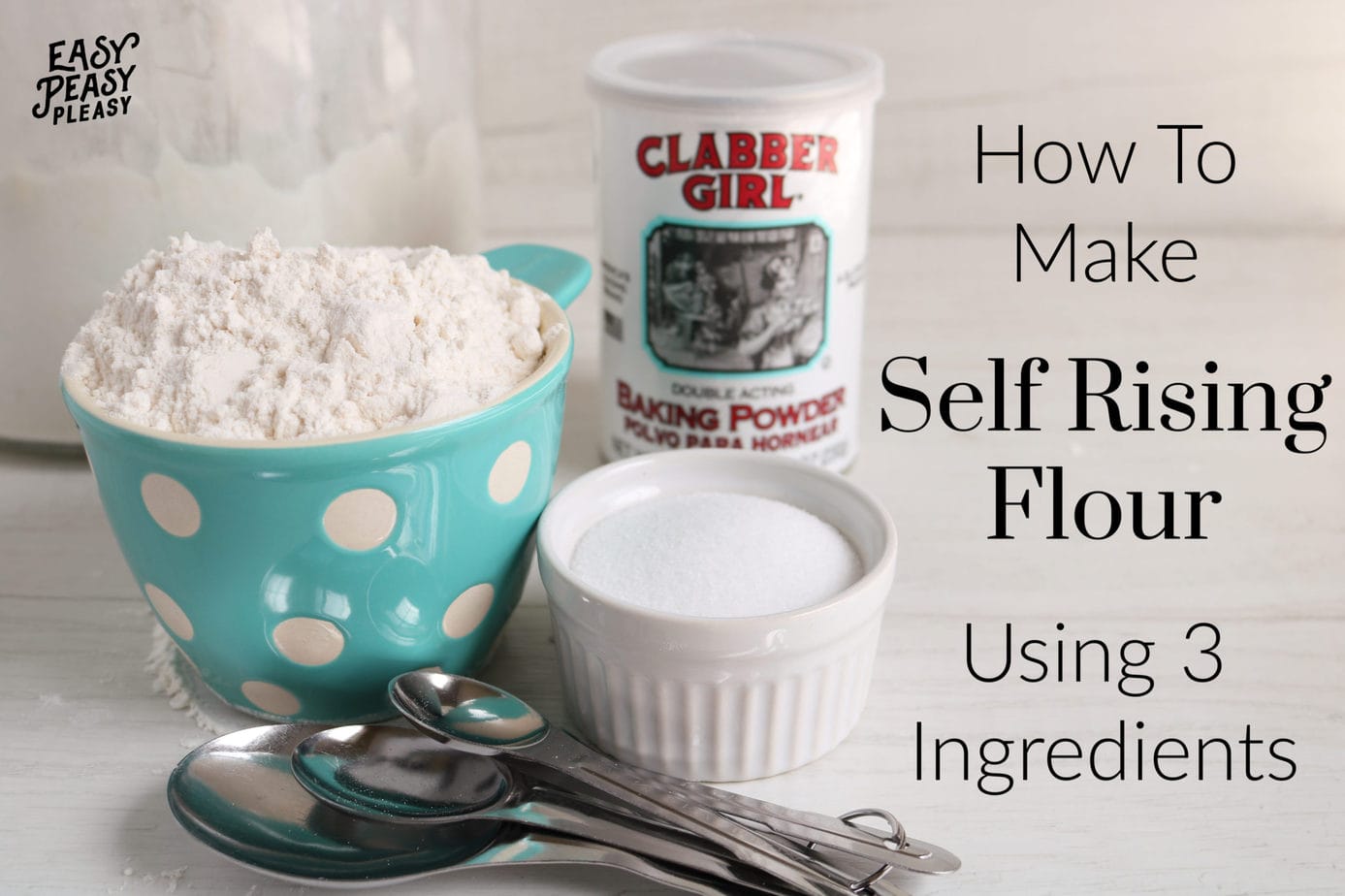 Substitute All Purpose Flour With Self Rising Flour | Detroit Chinatown
Another great example? Pancakes on a lazy Sunday morning. If you use self-rising flour, just cut the salt in the recipe in half. You’ll get pancakes that are tall, fluffy, and almost cloud-like. Your kids will think you’re a breakfast wizard.
The "Oops, I Already Mixed It" Rescue Plan
We’ve all been there. You’re halfway through stirring your cookie dough and realize you grabbed the wrong bag. Panic sets in. Don’t toss it.
For most drop cookies (like chocolate chip or oatmeal), you can often save them. The self-rising flour will make them cakier and softer than the usual chewy cookie. Is that bad? No! It’s just a different, pillowy cookie.
Just make sure you don’t add any additional salt to the dough. The flour already has it. Trust me, a salty cookie is a sad cookie.
The Takeaway (Because You’re Busy)
Think of it like this: self-rising flour is all-purpose flour’s eager little sibling. It’s always ready to party, but it has a strong personality. All-purpose is the steady, reliable friend who lets you do the experimenting.
For quick breads, pancakes, dumplings, and biscuits? Go for it. The swap is easy and often works beautifully. For yeast breads, pie crusts, pasta, or delicate French pastries? Keep them separate. Respect their differences.
So next time you’re staring at that bag of self-rising flour, remember: it’s not a flour imposter. It’s just a flour with a built-in plan. And with a tiny bit of know-how, you can turn a kitchen “oops” into a delicious “ahh.”
Now go make something messy. You’ve got this. And maybe label your flour bags.
