Can Light Brown Sugar Be Substituted For Dark Brown Sugar

So, you’re halfway through a batch of chewy chocolate chip cookies, and your hand hovers over the pantry. The recipe calls for dark brown sugar, but all you’ve got is that bag...
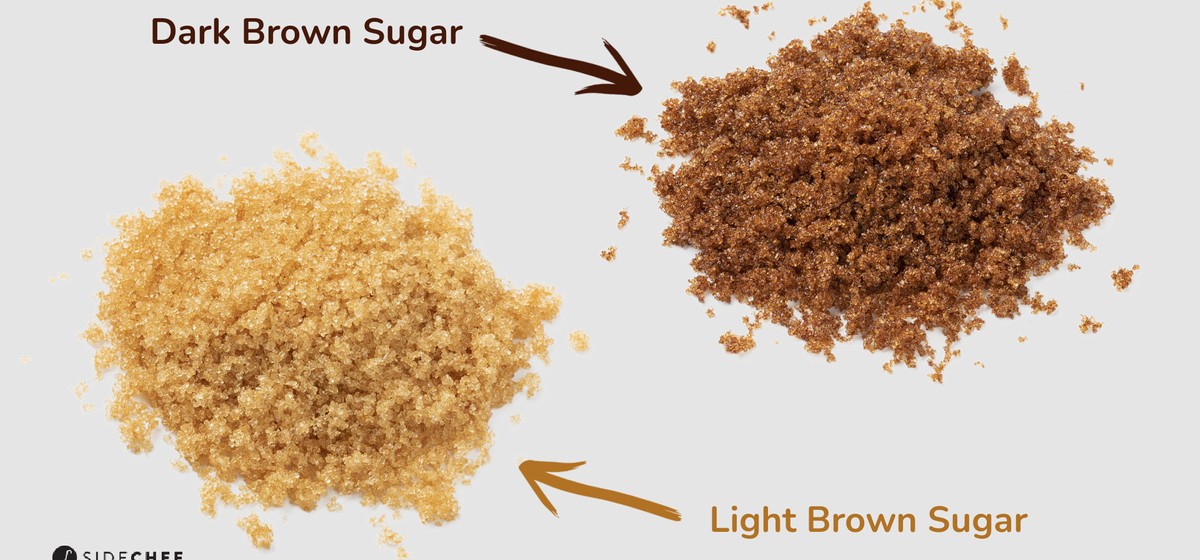
So, you’re halfway through a batch of chewy chocolate chip cookies, and your hand hovers over the pantry. The recipe calls for dark brown sugar, but all you’ve got is that bag of light brown sugar staring back at you. We’ve all been there, standing between the impulse to bake and the dread of a grocery run.
The short answer is yes, you can substitute light brown sugar for dark in almost any recipe. But the real magic is understanding what you’re swapping—and how to make it work in your favor. Let’s break it down like a friendly chat over coffee, not a chemistry lesson.
The Sweet Science of Brown Sugar
Here’s a fun little fact: both light and dark brown sugar are just white sugar with molasses added back in. Light brown sugar contains about 3.5% molasses, while dark brown sugar packs around 6.5%. That’s it—no secret ingredient, no mystical brown sugar tree.
Must Read
The molasses is what gives dark brown sugar its deeper, almost toffee-like flavor and a slightly higher moisture content. In recipes like gingerbread or baked beans, that extra molasses punch is the star of the show. But for most everyday baking, the difference is subtle enough that your cookies won’t stage a protest.
Think of it this way: light brown sugar is the easy-going friend who gets along with everyone, while dark brown sugar is the dramatic one who leaves a lasting impression. Both are great, just for different moods.
When the Swap Works Like a Charm
For classic chocolate chip cookies, blondies, or simple cakes, you can swap light for dark one-to-one without a second thought. The texture will be nearly identical, and the flavor shift is so mild that most people won’t notice. Your secret is safe.
If you’re making a recipe where molasses flavor is the main event—like sticky toffee pudding or a BBQ sauce—you might miss that robust complexity. In those cases, you can’t just swap and walk away; you have to get a little creative.
Here’s a practical tip: add one tablespoon of molasses per cup of light brown sugar to mimic dark brown sugar’s intensity. Stir it in with a fork until the mixture looks like wet sand. Voilà—instant dark brown sugar, no grocery trip required.
The Moisture Factor
Dark brown sugar’s extra molasses also means it holds more moisture, which can affect chewiness in cookies or moistness in cakes. If you swap light for dark, your baked goods might be slightly less tender—but we’re talking about a whisper of a difference.
To compensate, you can add a teaspoon of honey or maple syrup to your wet ingredients when using light brown sugar. This is a chef’s trick for pulling back that missing moisture without altering the flavor profile significantly. Your cake won’t know what hit it.
Another cool fact: brown sugar is hygroscopic, meaning it attracts moisture from the air. This is why a brown sugar bear (those clay keepers) exist. Dark brown sugar does this even more, so if you swap, your baked goods might dry out a tiny bit faster—but you’ll eat them before that happens, right?
Cultural and Seasonal Notes
In American Southern cooking, dark brown sugar is practically a religion in pecan pies and cornbread. Swap it for light, and you’ll get a lighter, less caramelly result—still delicious, but purists might raise an eyebrow. In Caribbean cooking, dark brown sugar is often used in jerk marinades and rum cakes, where its depth is non-negotiable.
Seasonally, dark brown sugar is a winter MVP for spiced lattes, glazed hams, and molasses cookies. Light brown sugar shines in spring and summer fruit crumbles and oatmeal cookies. Let the season and your craving guide you, not the pantry.
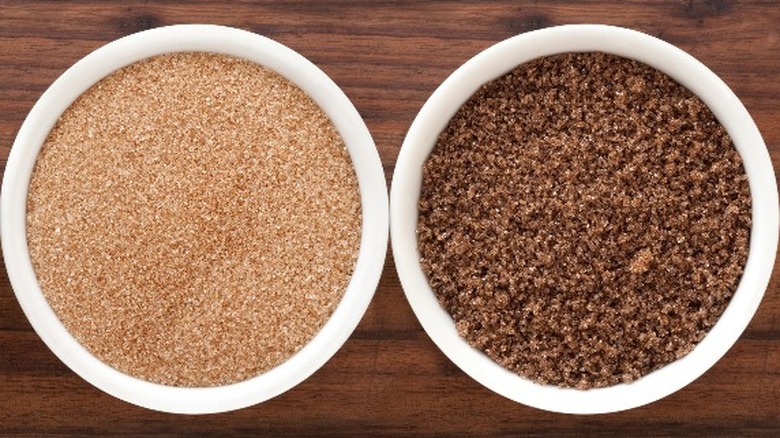 What Is The Best Substitute For Brown Sugar?
And here’s a pop culture gem: In the hit show The Great British Baking Off, contestants frequently use light brown sugar for its neutral sweetness, while dark brown sugar is the secret weapon of showstoppers. Be your own Paul Hollywood—judge with your taste buds.
Practical Tips for Everyday Bakers
Always pack your brown sugar firmly into the measuring cup. A loose scoop can lead to a drier result, regardless of light or dark. And if your sugar has hardened into a brick, pop it in the microwave with a damp paper towel for 20 seconds—works every time.
If you’re making a savory dish like a glaze or marinade, dark brown sugar wins hands down for its complexity. Light brown sugar works, but you’ll miss that smoky, molasses edge that makes glazes sing. My advice? Keep both on hand if you cook often, but don’t stress.
For those who love precision: use dark brown sugar when a recipe specifically calls for it to enhance color and moisture, like in chocolate cake or banana bread. Use light brown sugar when you want a milder sweetness that lets other flavors—like vanilla or cinnamon—take center stage.
What About Vegan or Health-Conscious Baking?
Both light and dark brown sugar are processed in similar ways, so they’re not healthier or more “natural” than white sugar. If you’re vegan, note that some brown sugars use bone char in processing—look for organic or unrefined options if that matters to you.
For a natural twist, you can substitute light brown sugar with coconut sugar or maple sugar, but expect a darker color and a slightly different flavor. Dark brown sugar is harder to replicate with natural alternatives because of its high molasses content.
Here’s a quick rule: if you’re eyeballing it, go with light brown sugar for versatility. It’s the chameleon of the pantry. Dark brown sugar is the specialist. Know your role, and you’ll win every bake.
A Short Reflection
In daily life, we often think we need the perfect ingredient, the perfect moment, the perfect plan. But just like swapping light for dark brown sugar, imperfect substitutions can yield something beautiful, unexpected, and still deeply satisfying.
The next time you’re in the kitchen, remember that cooking is a conversation, not a command. You can improvise, adapt, and still end up with a cookie that makes you smile. That’s the real secret ingredient.
So go ahead—make the swap, trust your instincts, and enjoy the sweet, messy, forgiving art of baking. Your light brown sugar is ready for its close-up.
