Can Whipping Cream Be Used In Place Of Heavy Cream

You’re standing in the baking aisle, staring at two cartons—whipping cream and heavy cream. They look almost identical, but are they really the same? And more importantly, in...
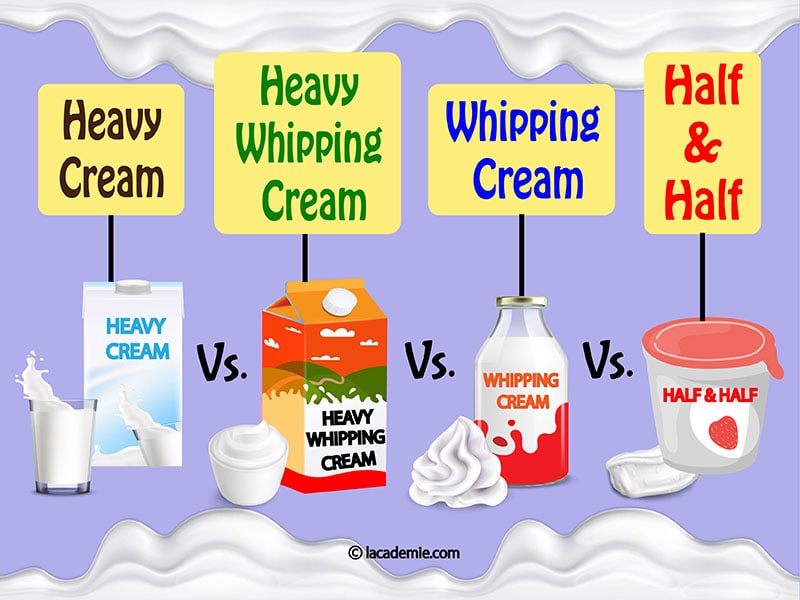
You’re standing in the baking aisle, staring at two cartons—whipping cream and heavy cream. They look almost identical, but are they really the same? And more importantly, in a late-night recipe crisis, can you just swap them?
Let’s get the obvious question out of the way: can whipping cream be used in place of heavy cream? The short answer is yes, most of the time—but with a few cool, twisty details you’ll want to know. Think of it like choosing between a microbrew and a lager: both are beer, but one’s a little richer.
What’s the actual difference?
Heavy cream (also called heavy whipping cream in some stores) has a fat content of 36–40%. Whipping cream usually sits at 30–35%. That’s it—just a few percentage points of butterfat.
Must Read
So why does that matter? Fat is the magic that makes sauces thick, soups velvety, and whipped topping hold its shape. Less fat means a slightly thinner, less stable result.
But here’s the fun part: that 5% difference is tiny in the grand scheme of your cooking. It’s not like swapping butter for olive oil—it’s more like choosing between a 2% and whole milk.
When whipping cream totally rocks it
For whipping into clouds for your coffee or dessert? Go ahead. Whipping cream whips up faster and is a little lighter, which can actually be a bonus if you don’t want a super dense topping. It’s like the sporty cousin of heavy cream—quicker, fluffier, still delicious.
In sauces, soups, or scrambled eggs? You’ll barely notice the swap. The richness is still there, and the texture stays creamy. Think of it like using a 90% dark chocolate instead of 95%—still intensely chocolatey.
For baking? Cookies, cakes, and quick breads won’t rebel. The fat difference is so small that your brownies won’t suddenly turn into crackers. Your fat content shift is basically a whisper, not a scream.
When you might want to stick with heavy cream
If you’re making a stiff whipped cream for piping decorations, heavy cream gives you more structure—it holds its shape like a brick wall. Whipping cream might droop after an hour, like a slightly tired balloon.
For butter? You can make butter from any cream, but heavy cream yields more because of that extra fat. It’s like squeezing a juicer versus a reamer—both work, but one gives you more bang.
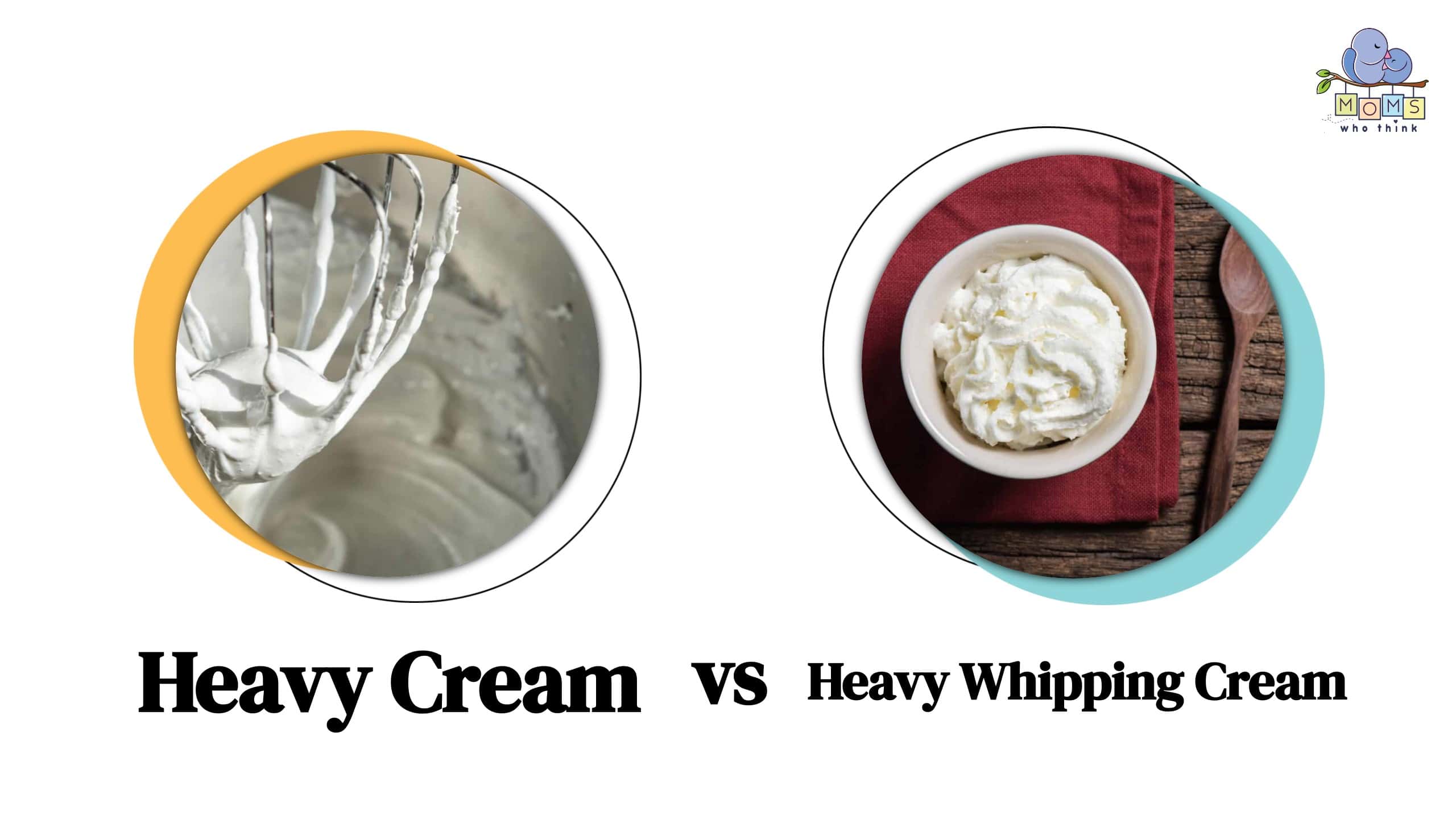 Heavy Cream Versus Heavy Whipping
And for ice cream? Heavy cream gives a silkier, richer mouthfeel. Whipping cream works, but your frozen treat might be a little icier—like a sorbet that tried to be gelato.
But wait—what about milk or half-and-half?
Here’s a fun comparison: heavy cream is the VIP of dairy. Whipping cream is the general admission—still good, just without the backstage pass. Milk or half-and-half are the parking lot, where great things can happen, but not the same experience.
If you’ve only got whipping cream and a recipe calls for heavy cream, don’t panic. Your dish won’t collapse into a sad lump. Pro tip: If you’re really worried, add a tablespoon of melted butter to a cup of whipping cream—that boosts the fat to heavy cream territory. Easy hack.
What about the label?
Sometimes the labels are confusing. “Whipping cream” and “heavy whipping cream” are often used interchangeably. Check the carton’s nutrition facts—fat grams per serving are your cheat sheet.
Don’t overthink it. In most home kitchens, whipping cream and heavy cream are best friends with different jackets. You can swap them in a pinch, and the only person who might notice is a pastry chef with a microscope.
So next time you’re out of heavy cream and staring at that whipping cream carton, just go for it. You’re not breaking any culinary laws—you’re just being resourceful. And honestly? That’s way cooler than running to the store at 10 PM.
Now go whip up something delicious. You’ve got this.
