Can You Drink In Public In The Uk

Picture this: It’s a rare, scorching afternoon in London. I’m clutching a cold can of gin and tonic, fresh from a corner shop, standing on the South Bank near the Thames. The...
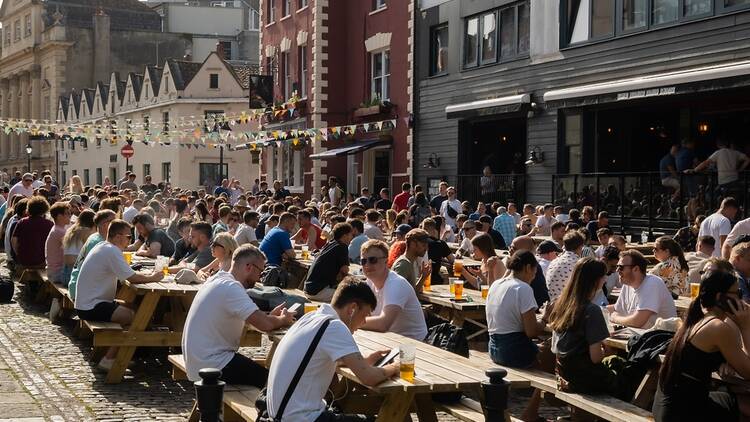
Picture this: It’s a rare, scorching afternoon in London. I’m clutching a cold can of gin and tonic, fresh from a corner shop, standing on the South Bank near the Thames. The air smells like suncream and optimism. I take a sip, feeling gloriously rebellious—only to see a police officer ambling toward me with the kind of casual stride that says, “I’ve got all the time in the world.” My heart drops. Am I about to get a fine? Spoiler: he just asked for directions to the nearest tube. But that moment of panic? It’s the perfect opener for the messy, very British truth about drinking in public.
So, can you actually drink in public in the UK? The short answer is: yes, but with a huge, dripping caveat. Unlike some countries where public boozing is an outright crime (looking at you, certain US states), the UK has no blanket law against cracking open a beer on a park bench. In fact, for centuries, the British have treated public drinking as a birthright—almost as cherished as queuing or complaining about the weather. But, and it’s a big but, local councils have been handed the power to ruin your picnic.
Enter Public Space Protection Orders (PSPOs). These are the legal ninjas that local authorities can deploy to ban drinking in specific areas. Think of them as a bureaucratic “No Fun Zone.” If you’re in a town centre, a beach, or a notorious corner where teenagers gather, a PSPO might be lurking. Ignore it, and you could face a fine of up to £500 or a Fixed Penalty Notice. It’s not a criminal record—unless you refuse to pay—but it’s enough to ruin your afternoon and your budget.
Must Read
Here’s the irony: the law isn’t really about the alcohol. It’s about behaviour. The police can’t just slap your hand because you’re sipping a wine spritzer in a park—unless you’re being a nuisance. If you’re loud, aggressive, or leaving a trail of cans, that’s when the law pounces. So, technically, you’re allowed to drink quietly on a bench while reading a book. But do that near a school, a playground, or a bus stop with anti-social behaviour orders, and you’re suddenly the villain of the story. It’s a vibe check, not a breathalyser.
What about trains and tubes? Ah, a perennial headache. On the London Underground, you’re explicitly banned from drinking alcohol. Transport for London (TfL) introduced this in 2008 to curb rowdiness, and yes, you will get a fine if you’re caught. But on National Rail services? It’s a patchwork. Some trains allow it, some ban it, and some just give you a dirty look. My advice: check the carriage signs or risk being that person who gets a stern lecture from a guard.
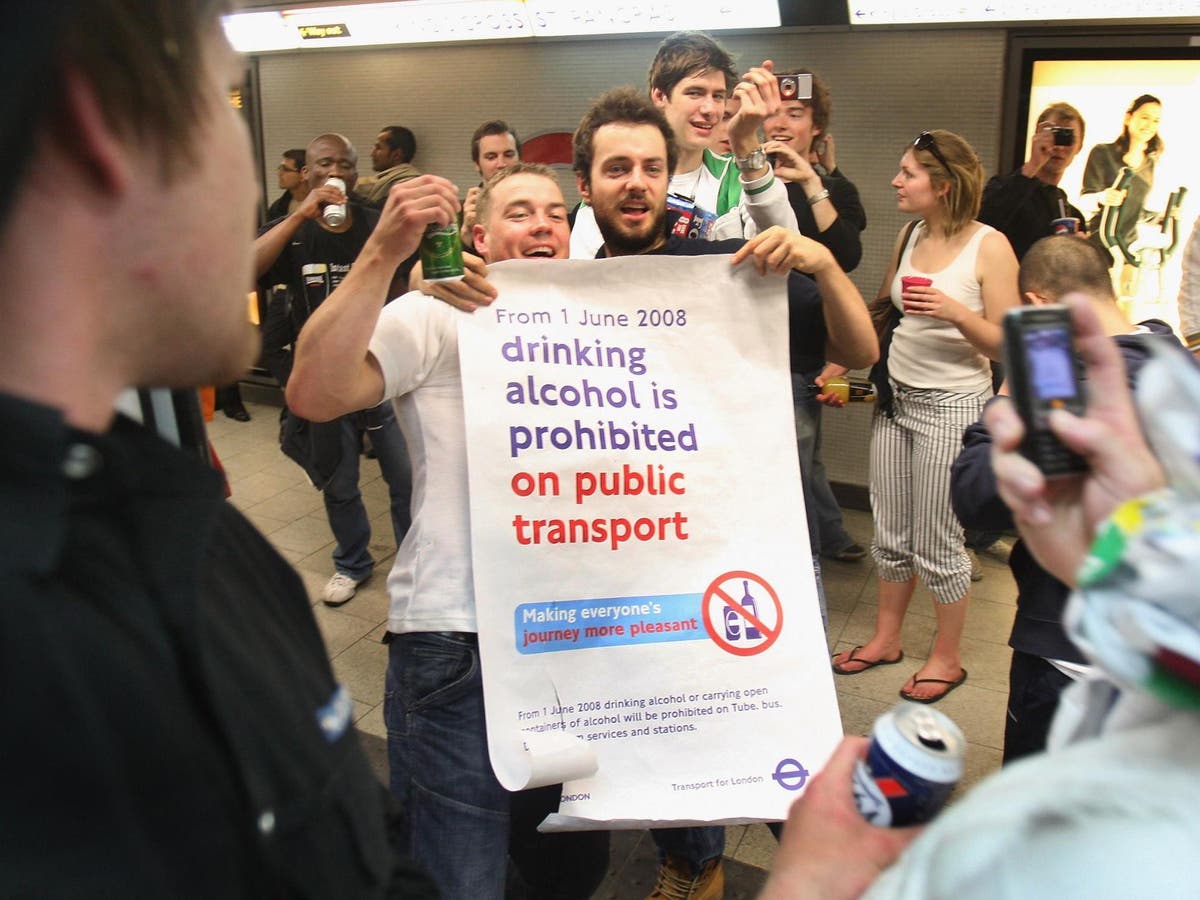 Alcohol on the underground: What are the laws for drinking on public
Let’s talk about age and responsibility. If you’re under 18, the answer is a flat no—you can’t drink in public, period. Police can confiscate your booze and even tell your parents. For adults, the law is weirdly lenient: you can drink in a park, on a street, even on a beach, as long as no local bylaw says otherwise. But here’s the kicker: if you’re drunk in a public place and causing a disturbance, you can be arrested under the Licensing Act 1872 (yes, that ancient). So, don’t be the person doing karaoke in the bus shelter.
Now, the cultural reality is more interesting than the law. In most of the UK, especially in cities, public drinking is socially normal. Go to any park on a sunny weekend and you’ll see groups with coolers, disposable cups, and that distinct British blend of joy and passive-aggression if someone steals your spot. In Scotland, they’re a bit stricter: police can seize alcohol in public even without a disorder order. But in England and Wales? It’s almost a national sport to push the boundaries.
 Drinking alcohol in public places | Drinkaware
What about festivals, street parties, and sporting events? Those are a different beast. At Glastonbury, drinking in the open is mandatory. At a football match, you’re fine inside the stadium, but the minute you walk out—especially in a city centre—you could get a ticket. The same goes for Royal Parks like Hyde Park or Regent’s Park: they’re technically public, but the Royal Parks charity bans drinking in certain spots. Want to have a glass of prosecco near the Serpentine? Check for signs, or risk a grumpy warden.
My personal favourite loophole? The disposable cup. If you pour your beer or wine into a plastic cup, it suddenly looks like a soft drink. Police rarely stop someone sipping from a nondescript cup—they’re looking for cans, bottles, and obvious trouble. Is this unethical? Probably. Does it work? I’ve tested it on a train platform and lived to tell the tale. Use this knowledge wisely, my friend.
In the end, the UK’s relationship with public drinking is a classic British compromise: yes you can, but we’ll make it confusing. The legal landscape shifts from borough to borough, so your best bet is to look for signs. If you see a “No Alcohol” poster, respect it—or risk a £100 fine. Otherwise, grab a cider, find a patch of grass, and enjoy. Just don’t be the loudest person in the park, and for heaven’s sake, bring a biodegradable cup. Cheers.
