Can You Get A Bat As A Pet

Let’s be real for a second: you’ve watched a vampire movie or two, maybe seen a bat swoop at dusk, and wondered, “Could I just… have one of those?” It’s a fair question. Bats...
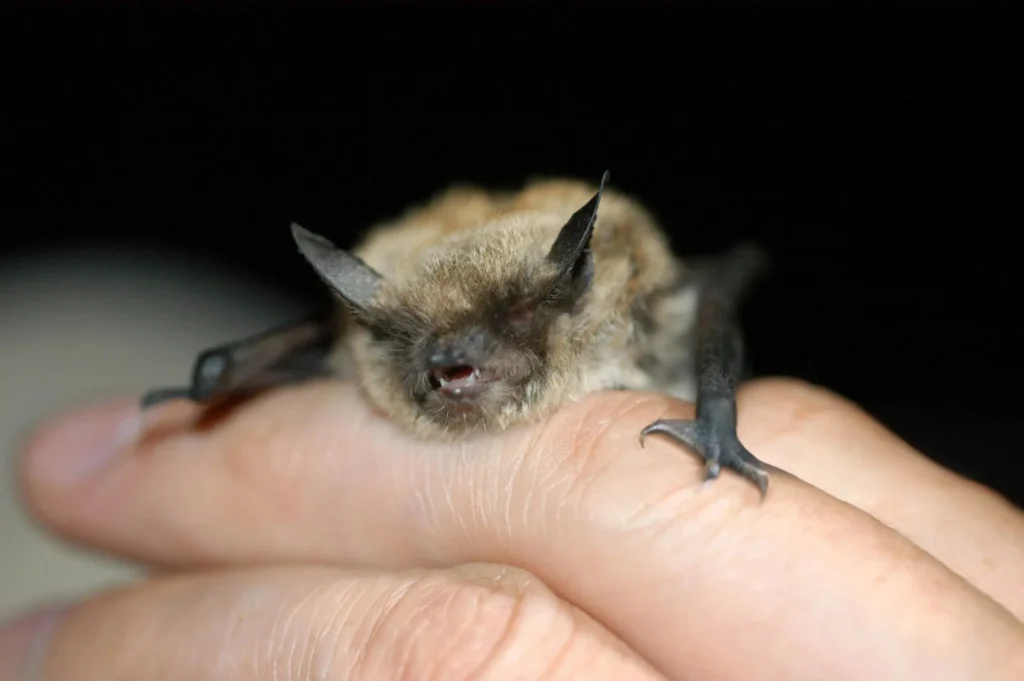
Let’s be real for a second: you’ve watched a vampire movie or two, maybe seen a bat swoop at dusk, and wondered, “Could I just… have one of those?” It’s a fair question. Bats are undeniably fascinating—they’re the only mammals that truly fly, they echolocate, and they eat mosquitoes by the bucketload. But before you start building a tiny cape for your new buddy, let’s pump the brakes and look at the reality of bat ownership.
The Legal Maze: It’s Not Just About A Cage
First things first: owning a bat as a pet is illegal in many places. In the U.S., for example, most states ban keeping native bats without special permits, often reserved for licensed wildlife rehabilitators or educators. Even exotic species from overseas are heavily regulated under laws like the Lacey Act and the Endangered Species Act. The reason isn’t just bureaucratic fussiness—bats are reservoirs for zoonotic diseases, including rabies and the infamous Nipah virus. That cute little face? It might carry something you really don’t want in your living room.
But wait—there’s a cultural exception. In parts of Southeast Asia and the Pacific, fruit bats (flying foxes) are sometimes kept as pets, though this practice is increasingly frowned upon for conservation and public health reasons. A viral video of a fruit bat eating a mango in a kitchen? That’s not a lifestyle goal—it’s a veterinary and legal headache waiting to happen. The message is clear: check your local laws first, and expect a firm “no” unless you’re in a very specific, licensed line of work.
Must Read
The Bat’s Needs: Zero Compromise
Even if you somehow got legal clearance, you need to ask: what does a bat actually need to thrive? Spoiler: it’s not a cage with a fruit bowl. Bats are highly social, intelligent, and require massive flight space—a typical bat can fly up to 100 miles a night in the wild. A living room or even a large aviary just won’t cut it. They also need specific humidity, temperature, and a diet that’s extremely hard to replicate (think live insects dusted with supplements for insectivores, or a precise mix of fruits, nectar, and protein for flying foxes).
And then there’s the noise and smell. Bats communicate with high-frequency squeaks and chirps, and their guano (poop) is an ammonia-rich mess that can damage your lungs if not cleaned daily. Most pet owners underestimate the sheer sensory impact of a bat colony—even one bat. You’re not getting a quiet, Instagram-friendly companion; you’re getting a wild animal with zero domesticated instincts.
A Fun Fact To Save For Trivia Night
Here’s a little gem: bats are the only mammals that can actually fly (flying squirrels just glide). And a single brown bat can eat up to 1,000 mosquitoes in an hour. That’s like having a tiny, winged pest-control drone—but it’s also a reminder that bats are best appreciated from a distance, like an exotic vacation you visit but don’t move into.
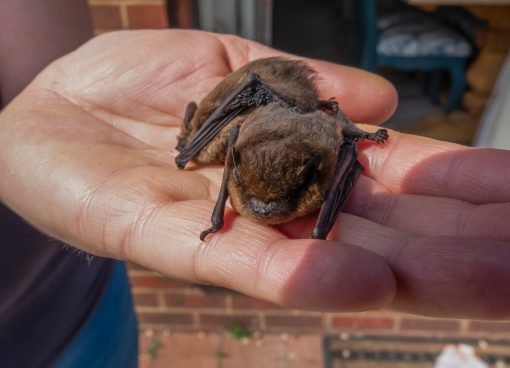 Can You Have Bats as Pets? The Pros and Cons of Owning One
The Cultural Lens: From Dracula To Batman
Pop culture hasn’t helped our bat fantasies. Dracula turned them into gothic royalty, while Batman made them symbols of nocturnal heroism. Even children’s movies like Stellaluna or The Silverwing series romanticize them. But real bats aren’t moody billionaires or lost orphans—they’re keystone species essential for pollination, seed dispersal, and insect control. They’re heroes in the ecosystem, not in your bedroom.
That said, you can still enjoy them legally and ethically. Build a bat house in your backyard (they need warmth and shelter). Plant night-blooming flowers like jasmine or moonflower to attract moths, which health bats. Or just visit a bat cave or a wildlife sanctuary—many offer guided “bat flights” at dusk, which is way more fun than cleaning guano at 2 a.m.
Practical Tips For Bat-Adjacent Living
If you’re still smitten, here’s how to channel that energy without bringing one home:
 Can You Have Bats as Pets? The Pros and Cons of Owning One
1. Adopt a bat symbolically. Organizations like Bat Conservation International let you sponsor a bat for a small donation. You get a photo and updates, and the bat stays wild. 2. Volunteer at a wildlife rehab—they always need help with bat care (gloves, vaccines, and patience provided). 3. Create a bat-friendly garden with native plants, a water source, and avoid pesticides. You’ll attract wild bats naturally, and watching them from your porch is pure magic.
One more fact: bats can live up to 30 years in captivity, which is a long time for a pet you can’t really cuddle or take for a walk. They’re like a commitment-heavy bonsai tree that might give you a serious disease. Proceed with caution.
A Short Reflection For Your Daily Life
Here’s the thing about wanting a bat as a pet: it often reflects a deeper wish for something wild and mysterious in our lives. We crave a connection to the nighttime, to flight, to the secret world of darkness. But that connection doesn’t require ownership—it requires respect. Watch a bat at dusk, listen to its whispers, and let it be free. Sometimes the most magical companions aren’t the ones you own, but the ones you share the planet with, flying just beyond your reach. And that’s okay. That’s actually better.
So, can you get a bat as a pet? The short answer is almost never, and probably shouldn’t. The long answer? You can love them, protect them, and marvel at them—from a respectful, legal, and gloriously guano-free distance. Go outside tonight, look up, and wave to your new favorite flying friend.
