Can You Replace Sour Cream With Greek Yogurt In Baking

Okay, friend. Let’s talk about something that has genuinely kept me up at night. We’ve all been there, right? You’re halfway through a cake recipe, and you reach for the sour...

Okay, friend. Let’s talk about something that has genuinely kept me up at night. We’ve all been there, right? You’re halfway through a cake recipe, and you reach for the sour cream. And the carton is empty. Just a sad, white ghost of dairy past staring back at you. Your first instinct might be to panic. But take a breath. I have a question for you: do you have a tub of Greek yogurt in the fridge?
If you do, you might be in luck. We’re getting to the real question: can you actually swap them? Or are you just asking for a baking disaster? Let’s dig in, shall we?
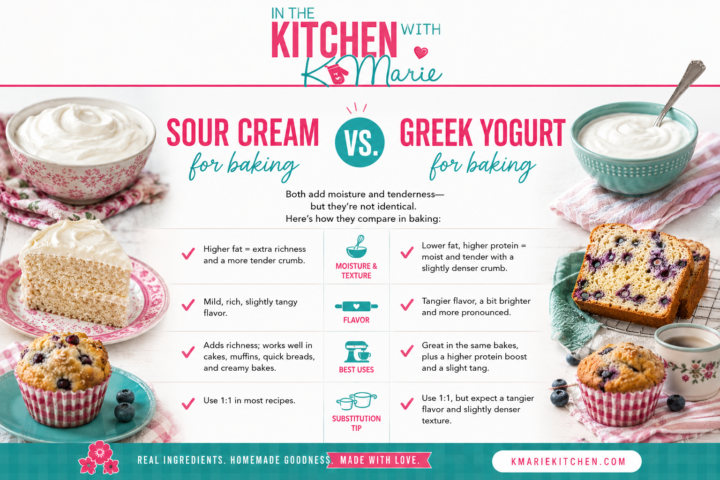
Here’s the good news. Greek yogurt and sour cream are basically cousins. They’re both tangy, creamy, and thick. They bring that magical moisture to cakes and that tender crumb to muffins. The difference? It’s mostly in the fat content and the tang level.
Must Read
Sour cream is a lush, fatty superstar. It’s like the velvet robe of the dairy world. Greek yogurt is more like your favorite pair of jeans. It’s reliable, a little leaner, but still works with almost everything.
So yes, you can replace sour cream with Greek yogurt in most baking recipes. The secret is knowing when to do it and how to play nice. If you just dump it in willy-nilly, you might end up with a hockey puck. Nobody wants a hockey puck.
When It Works Like a Charm
Let’s start with the easy wins. Cakes and muffins? Go for it. Greek yogurt brings moisture without making things greasy. It’s a dream in banana bread, too. I’ve done it a hundred times, and nobody has ever called the cops on me for bad baking.
Pancakes and waffles are another slam dunk. Swap it one-for-one. You’ll get a fluffier texture and a slight tang that makes everything taste more interesting. It’s like sour cream’s younger, slightly healthier sibling showing up to the party.
Cheesecake? Ooh, this is a controversial one. You can use Greek yogurt, but it won't be as rich. It’ll be lighter, almost mousse-like. Some people love that. Others will throw their spatula at the wall. Know your crowd.
The Tricky Part: Fat and Tang
Here’s where I need you to pay attention. Sour cream is typically around 18-20% fat. Greek yogurt is usually 0-10% fat. That fat matters. It keeps baked goods tender and prevents them from drying out. If you use nonfat Greek yogurt, you’re asking for trouble.
So always use full-fat Greek yogurt. The 5% or 10% kind. Not the diet stuff. We’re baking, not dieting. There’s a time and place for kale salad, and it’s not inside a chocolate cake.
 Sour Cream vs Greek Yogurt for Baking: Which One Is Better? - KMarie
The other issue is the tang. Greek yogurt is often tangier than sour cream. In a savory biscuit or a coffee cake, that tang is a feature. In a delicate vanilla cupcake, it might scream a little too loud. If you’re sensitive to tang, add a pinch of sugar to balance it out.
What about texture? Greek yogurt is thicker. Like, “stick-a-spoon-upright” thick. If your recipe calls for a really wet batter, you might need to thin it out. Add a splash of milk or water to your yogurt until it looks like sour cream. Easy peasy.
When You Should Just Say No
Let’s be real. There are times a swap is a bad idea. Don’t use Greek yogurt in a quiche or a custard that relies on the high fat content for silkiness. You’ll end up with scrambled eggs in a pie crust. Not a good look.
Also, skip it for dips that require that specific sour cream zing. I’m talking about French onion dip. Just run to the store. Your chips deserve better. Same goes for stroganoff. Don’t do it. The yogurt will curdle if you get it too hot, and you’ll be sad.
Another no-go? Recipes where the sour cream is a star, like a sour cream coffee cake with that amazing ribbon swirl. The yogurt might make the swirl too runny. Stick to the script on that one.
The Final Takeaway (From My Kitchen to Yours)
Look, I’m not saying Greek yogurt is a perfect clone. It’s not. But for 80% of baking emergencies, it’s a hero. You’ll get a slightly different texture and flavor, but often better. Lighter. Fresher. It’s like choosing a great alternative over a boring original.
My rule of thumb? Use it in cakes, muffins, quick breads, and pancakes. Avoid it in custards, delicate sauces, or anything where you need that heavy richness. And for the love of all things holy, use full-fat yogurt.
So the next time you open your fridge and see that empty sour cream tub, don’t panic. Grab the Greek yogurt. Give it a stir. And bake on, my friend. You’ve got this. And if it fails? Just call it a “rustic” experiment. That’s what I do.
