Can You Substitute Vanilla Extract For Vanilla Bean Paste

So there I was, staring into the abyss of my baking cabinet. A recipe for crème brûlée demanded vanilla bean paste, and all I had was a bottle of extract that looked like it s...

So there I was, staring into the abyss of my baking cabinet. A recipe for crème brûlée demanded vanilla bean paste, and all I had was a bottle of extract that looked like it survived a minor earthquake. I felt the panic rising—the kind of panic that only a missing ingredient can cause. You know the one, right?
Let’s be real: you’ve probably been there too. The recipe calls for something fancy, and you’re left holding a humble substitute, wondering if you’re about to ruin dessert. Well, I’m here to tell you the good news: vanilla extract and vanilla bean paste are more like cousins than strangers. They’re not identical, but they can absolutely hang out in the same bowl.
The Core Difference: It’s All About the Specks
Vanilla extract is a liquid made by steeping beans in alcohol. Vanilla bean paste, on the other hand, is a thick syrup loaded with actual vanilla seeds. That’s the main flex—the paste gives you those beautiful black specks that scream “real vanilla.”
Must Read
But here’s the kicker: flavor-wise, they’re shockingly similar. Extracts are potent, paste is concentrated, and both pack a serious vanilla punch. The biggest difference is visual, not chemical. So unless you’re baking for a food blogger who inspects every crumb, you’re probably safe.
(Side note: If you are baking for a food blogger, please just buy the paste. They will notice. They will judge. I’m only half-joking.)
How to Swap Without Crying
The golden rule for substitution is 1 teaspoon of paste = 1 teaspoon of extract. Simple, right? Yes, but with one tiny twist: extract is more liquid, so if your recipe is finicky about moisture (like a delicate sponge cake), you might need to adjust. Cut back on another liquid by about half a teaspoon per cup of flour.
For most everyday baking—cookies, muffins, pancakes—just do a straight swap. No one will know you cheated. I’ve done it with chocolate chip cookies and my family still thinks I’m a pastry wizard. Let them believe it.
One caveat: don’t use imitation vanilla extract. That stuff is a liar made from wood pulp byproducts. Real extract or paste, please. You’re not a monster.
When Paste Wins (And When It Doesn’t)
Use paste when you want those iconic black flecks—like in a vanilla bean cheesecake or a glossy glaze. It adds a rustic, handmade look that screams “I woke up early for this.” But for chocolate cakes or spiced desserts where the vanilla is just a backup singer? Extract is totally fine. No one is zooming in on your brownies.
Drinks are a different story. Stirring vanilla paste into coffee or cocktails is a next-level move. The specks float around like tiny flavor bombs. Try that with extract and you’ll just get weirdly alcoholic coffee. Trust me, I’ve made that mistake.
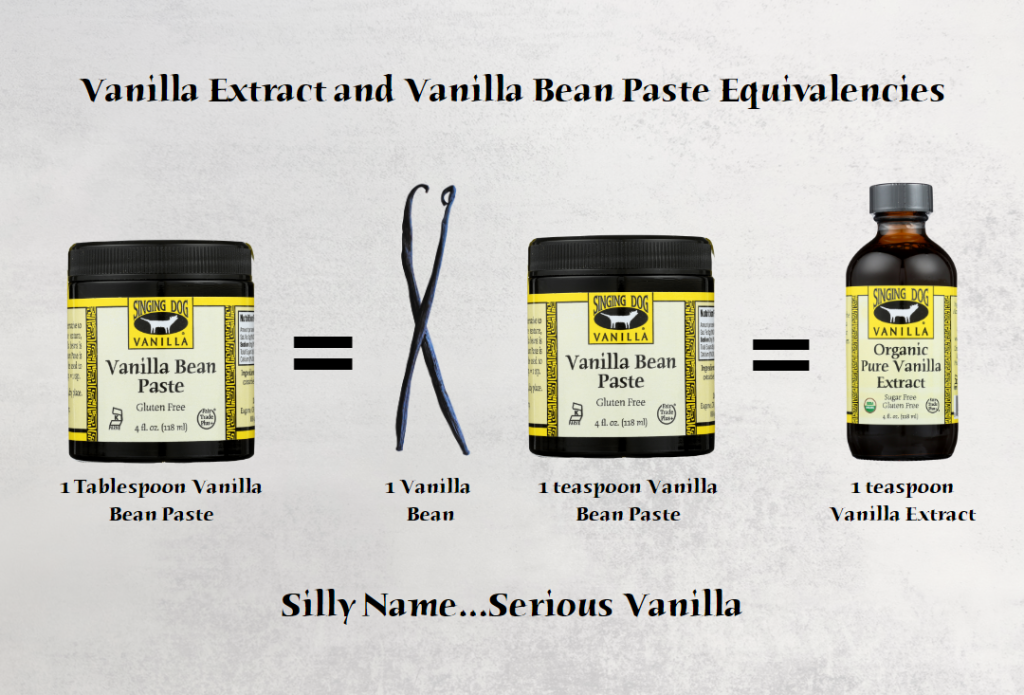 How and When to use Vanilla Extract and Vanilla Paste
Still, if you only have extract for a recipe that calls for paste, you’re not doomed. Add a tiny pinch of cinnamon or cardamom to trick your brain into thinking it’s fancier. I call this “vanilla camouflage.” Works every time.
The Great Storage Debate
Both extracts and pastes last forever if stored in a cool, dark place. Sunlight is the enemy, so keep them away from your windowsill herb garden. I keep mine in a drawer next to the garlic powder—makes me feel like a chaotic wizard.
One thing: paste can crystallize or separate over time. Don’t panic! Just shake it like a Polaroid picture or give it a gentle stir. It’ll come back together. If it doesn’t, warm the bottle in a bowl of hot water for a minute. Science is your friend.
You might wonder: “Can I just use whole vanilla beans scraping my own specks?” Yes, but that’s a whole different conversation. We’re keeping it simple today, friend.
The Honest Bottom Line
Here’s the truth: yes, you can substitute vanilla extract for vanilla bean paste in almost any recipe. The flavor will be 95% identical, and the only thing you’ll miss is the Instagram aesthetic. If you’re baking for yourself or your family, save the fancy paste for a special occasion.
But if you’re making a showstopper—like a white frosting or a vanilla panna cotta—spring for the paste. The visual payoff is real. It’s the difference between “homemade” and “homemade by someone who owns a microplane.”
So next time you’re faced with this dilemma, take a breath. Grab your extract, swap it one-for-one, and bake boldly. Your dessert will be delicious. And if anyone asks? Just smile mysteriously. You’re a baker, not a confessions podcast.
