Can You Use Evaporated Milk In Place Of Whole Milk

You’re halfway through a recipe, and your hand hovers over the fridge. The carton of whole milk is empty. But there, in the back of the pantry, sits a can of evaporated milk—t...

You’re halfway through a recipe, and your hand hovers over the fridge. The carton of whole milk is empty. But there, in the back of the pantry, sits a can of evaporated milk—that silver relic from your last holiday baking spree. Don’t panic. You can absolutely use it, and honestly, you might even prefer the result.
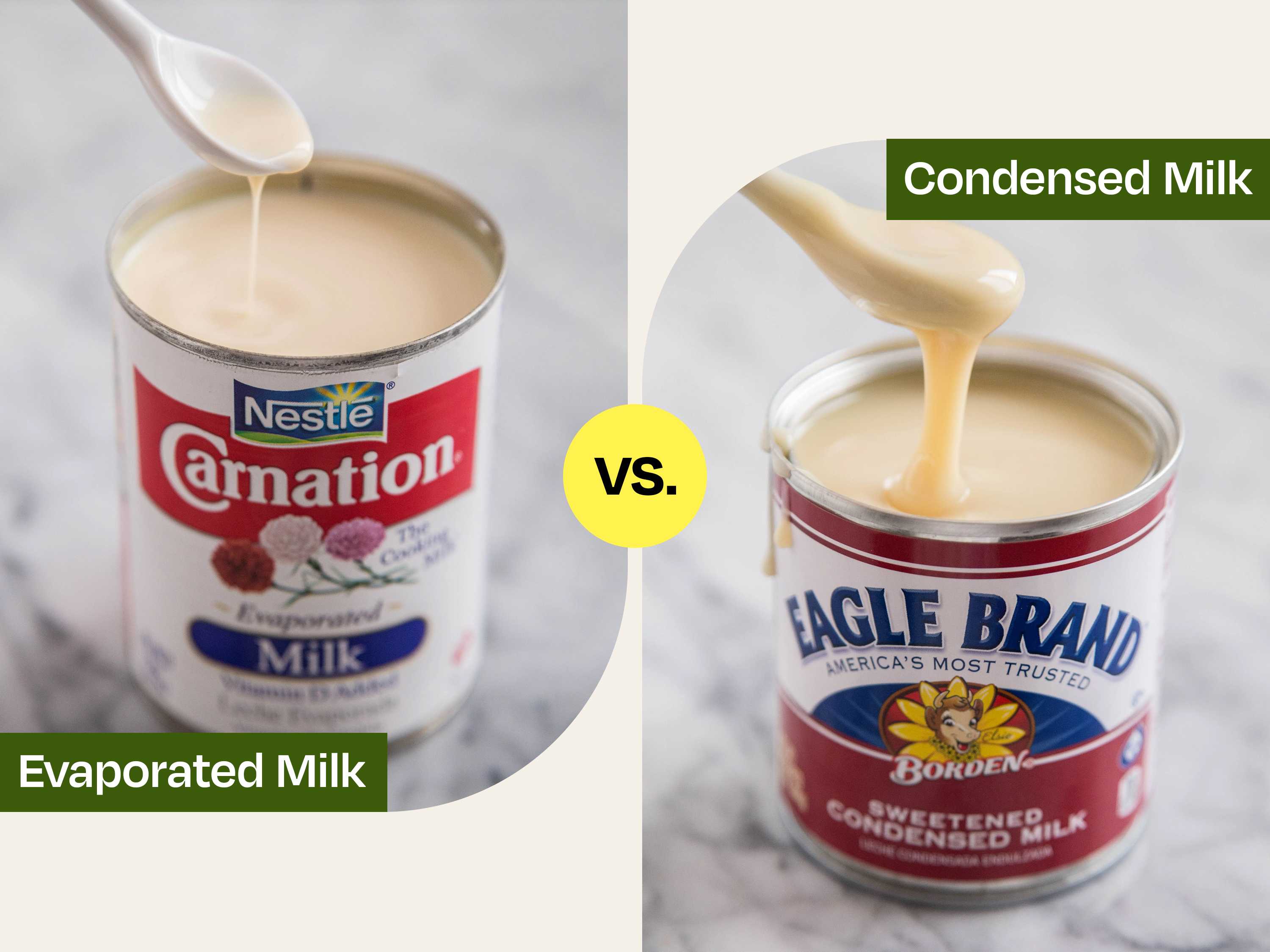
Evaporated milk is just whole milk with about 60 percent of its water removed. It’s not sweetened condensed milk (that’s the sugary one), so you’re looking at a concentrated, creamy liquid that’s been heat-sterilized for stability. The flavor is slightly caramelized and richer, which is why it works so well in mac and cheese, creamy soups, and yes, your morning latte.
Before you swap, remember the golden rule: dilute it. For most recipes, mix one part evaporated milk with one part water. That gives you a liquid that mimics the fat content and consistency of whole milk. For baking, you can often use it undiluted for extra richness—just be ready for a denser, more decadent crumb.
Must Read
The Science Behind the Swap
Here’s the nerdy bit: whole milk is typically 3.25 percent fat, while evaporated milk (the standard, not the low-fat version) clocks in around 7.5 to 8 percent fat. That extra fat is a gift. It means your sauces will be silkier, your puddings thicker, and your mashed potatoes creamier than ever.
But what about the taste? That gentle caramel note you get from the high-heat sterilization process is barely noticeable in savory dishes. In sweet recipes—think custards or pancakes—it adds a subtle, toasty warmth that whole milk can’t touch. It’s like the difference between a plain biscuit and one kissed by honey.
One fun fact: evaporated milk was a staple in mid-century American kitchens long before “artisanal” became a buzzword. Your grandmother likely used it in her famous fudge or pumpkin pie. It’s a throwback ingredient that’s quietly making a comeback.
Practical Tips for Daily Life
Keep a can or two in your pantry for emergencies. Unlike fresh milk, it has a shelf life of months, so it’s your backup dancer when the fridge runs dry. Pro tip: once opened, transfer it to a glass jar and use within a week—it’s more concentrated, so it spoils slower than fresh milk, but it’s not invincible.
Not sure about ratios? For cereal or coffee, go half-and-half: equal parts evaporated milk and water. For creamy pasta sauces, go full-strength—the richness is a game-changer. For baking, a 1:1 diluted mix works perfectly in cakes and muffins, though you might need to adjust the sugar slightly (evaporated milk is a touch sweeter).
Here’s a fun cultural crossover: in the Caribbean and parts of Latin America, evaporated milk is used as a milk substitute for drinking, often mixed with a little vanilla and served chilled. Try it with heavy cream and a dash of cinnamon for a quick “horchata” vibe. It’s a small hack that makes any Tuesday feel exotic.
When Not to Swap
There are a few moments when evaporated milk won’t save the day. Avoid it in delicate mousses or light frostings where the texture needs to be airy. The higher fat and protein content can weigh things down. Also, don’t use it straight from the can for tea or espresso—the thickness will feel chalky. Always dilute for drinking.
 Dairy Milk | The Kitchn
And please, do not confuse it with sweetened condensed milk. That’s a completely different beast—thick, sticky, and loaded with sugar. Using it in place of whole milk would be like swapping olive oil for maple syrup. Not the same league.
If you’re dairy-free? Look for evaporated coconut milk or oat milk alternatives (though they’re less concentrated). The canned miracle only works for traditional cow’s milk, unless you explore the plant-based aisle for “evaporated” versions.
A Little History, A Lot of Flavor
Did you know evaporated milk was invented in the 1850s as a way to keep milk stable without refrigeration? It was a lifesaver for soldiers in the Civil War and later became a kitchen MVP during the Great Depression when fresh milk was scarce. That’s why it still feels like a secret weapon—it was born from necessity.
Today, it’s a favorite among minimalist chefs and busy parents. One can replaced a forgotten grocery run. It’s the ingredient that turns a simple bowl of oatmeal into something that tastes like effort, even when you have none left. Plus, it’s endlessly versatile: use it in quiches, soup bases, or even as a substitute for cream in a pinch.
Here’s a little hack: freeze leftover evaporated milk in ice cube trays. Pop a cube into your coffee or a sauce later. It’s like having a creamy time capsule in your freezer, ready to save the day.
The Final Pour
Life is full of small substitutions—the forgotten ingredient, the unexpected guest, the midnight craving. Using evaporated milk in place of whole milk isn’t just a hack; it’s a reminder that creativity lives in the pantry. That silver can holds more than milk—it holds possibility.
So next time you’re staring at an empty milk carton, smile. You’ve got this. Your fudge will be richer, your coffee will be toastier, and your dinner will taste like someone spent hours when they really only spent three minutes. That’s the magic of a simple swap. Now go pour yourself a glass—half evaporated, half water, and a whole lot of charisma.
Living well is about using what you have, not what you wish you had. And sometimes, a little can of concentrated creaminess is exactly what your recipe—and your day—needs.
