Difference Between A Taxi And Uber

So, picture this: it’s 2 AM, raining sideways, and the only thing between you and your bed is a desperate wave at a yellow cab. The driver rolls down the window, squints at yo...
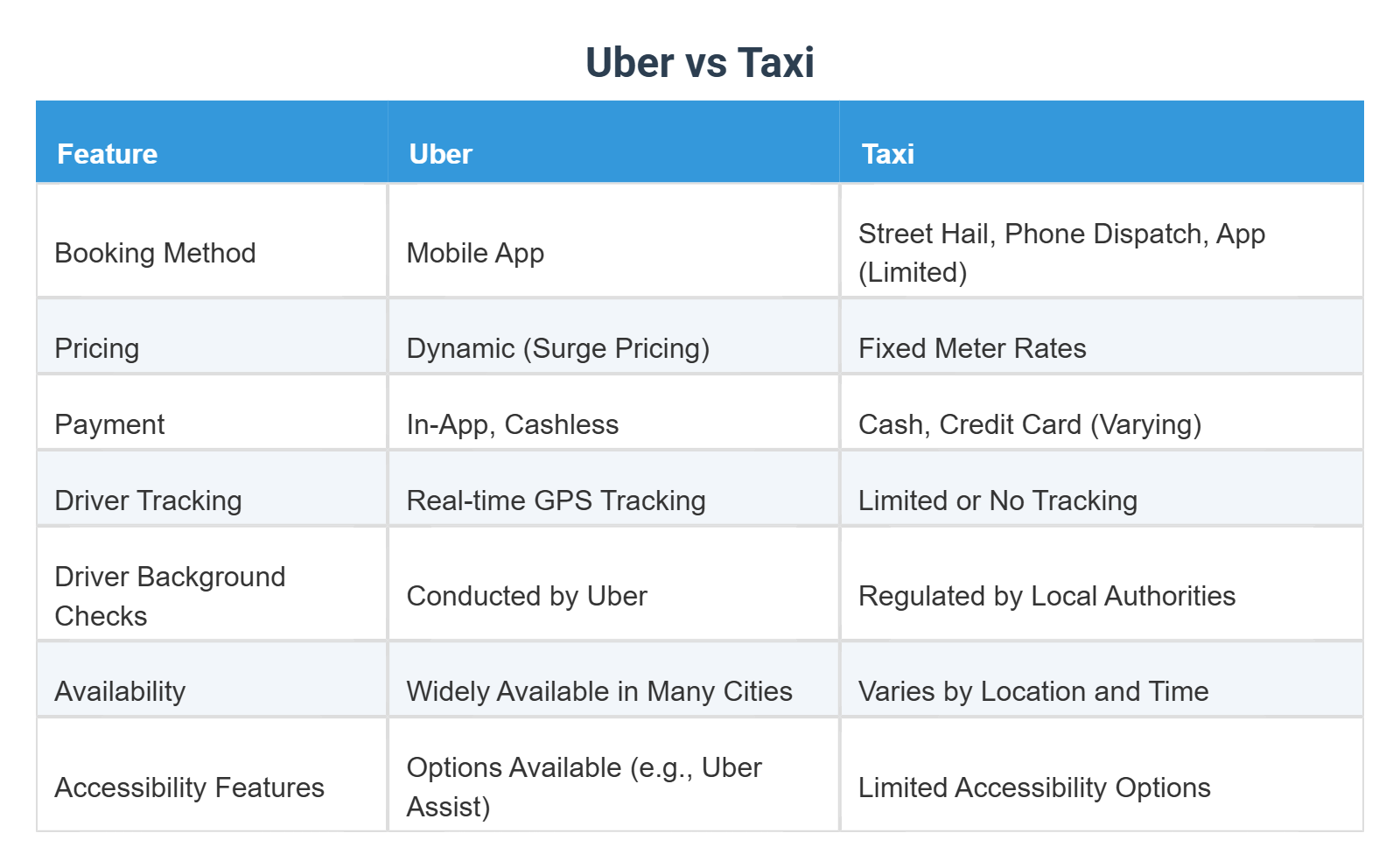
So, picture this: it’s 2 AM, raining sideways, and the only thing between you and your bed is a desperate wave at a yellow cab. The driver rolls down the window, squints at you, and says, “Where to?” before immediately shaking his head. “Too far.” And he drives off. You’re left standing there, wallet out, soaking wet, wondering if you accidentally said you wanted to go to another dimension. That’s when you pull out your phone and tap the Uber app. Two minutes later, a Honda Civic pulls up, the driver rolls down the window—same question—but this time, you’re already in the backseat before the engine stops humming. (See what I mean? The vibe shift is real.)
The First Big Difference: How You Actually Get the Ride
With a taxi, you are essentially playing a game of luck. You stand on a corner, stick your arm out, and hope the universe sends a cab that’s both empty and willing to go to your destination. (And if you’re in a city like New York? Forget it. Good luck during a downpour.) With Uber, you open an app, type your address, and watch a little car icon drive across a map toward you. That’s it. No guessing, no praying.
The whole “hailing” thing feels almost medieval now, doesn’t it? You’re literally standing in the elements like a flagpole, while Uber users are sitting in a warm doorway, sipping coffee, waiting for a notification. Power balance shifted—and the driver can’t “pretend not to see you” because they’ve already accepted your request.
Must Read
The Payment Problem: Cash vs. The Invisible Hand
Let’s talk about money, because this is where things get really awkward. A taxi driver will often ask, “You got cash?” while eyeing your credit card as if it’s a forged passport. That’s because taxi meters can charge you for “waiting time” or “luggage fees” that you didn’t even know existed. You arrive at your destination, the meter says $18.50, and the driver says, “That’ll be $23—tip.” (Wait, what? Did I just get dinged for a pothole?)
With Uber, the price is locked in before you even get in the car. You see the total: $15.47. No surprises. No digging for coins. No awkward moment where you realize you only have a fifty and the driver “doesn’t have change.” (Oh, you know the one.) It’s clean, it’s digital, and your card is charged silently. The only catch? Surge pricing. That $10 ride can turn into $40 during a Taylor Swift concert. But hey, at least you see the knife before you get stabbed, right?
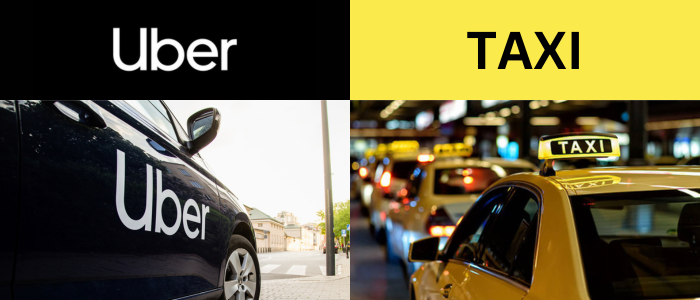 Yellow Cabs Vs Uber Taxi – Uber Taxi Vs Yellow Taxi – NBUUP
The Driver’s Vibe: Professional vs. “This Is My Side Hustle”
Taxi drivers often have that seasoned New Yorker energy. They’ve been doing this for 20 years, they know shortcuts you’ve never heard of, and they will absolutely lecture you about city politics while you’re trying to check Instagram. (I once had a cabbie explain the entire history of the subway system during a 12-minute ride. Educational? Yes. Wanted it? Not really.) They’re professionals, but sometimes that professionalism comes with a side of grouchiness.
Uber drivers are a different breed. They’re usually someone’s dad, a student, or a person who just finished their day job and wants extra cash. They play their own music, they ask if the temperature is okay, and they often have phone chargers. (Game changer.) But here’s the ironic part: they have a rating system. You can get a 4.8-star rating, and they’ll still act like you’re a guest in their living room. Taxi drivers? They don’t care about your rating. They’ll just honk at you if you take too long to get in.
The Route: How You Lose an Hour or Save Fifteen Minutes
Remember that time a taxi took the scenic route through traffic because the meter was running? Yeah, that’s a classic taxi move. They know the long way, and sometimes they take it. (I’m not saying all cabbies do this, but the ones who do are why the phrase “going around the block” exists.) With Uber, the app shows you the route on your phone. If the driver goes off-course, you get a notification: “Your driver is taking a different route.” You can say something, or you can just watch them squirm.
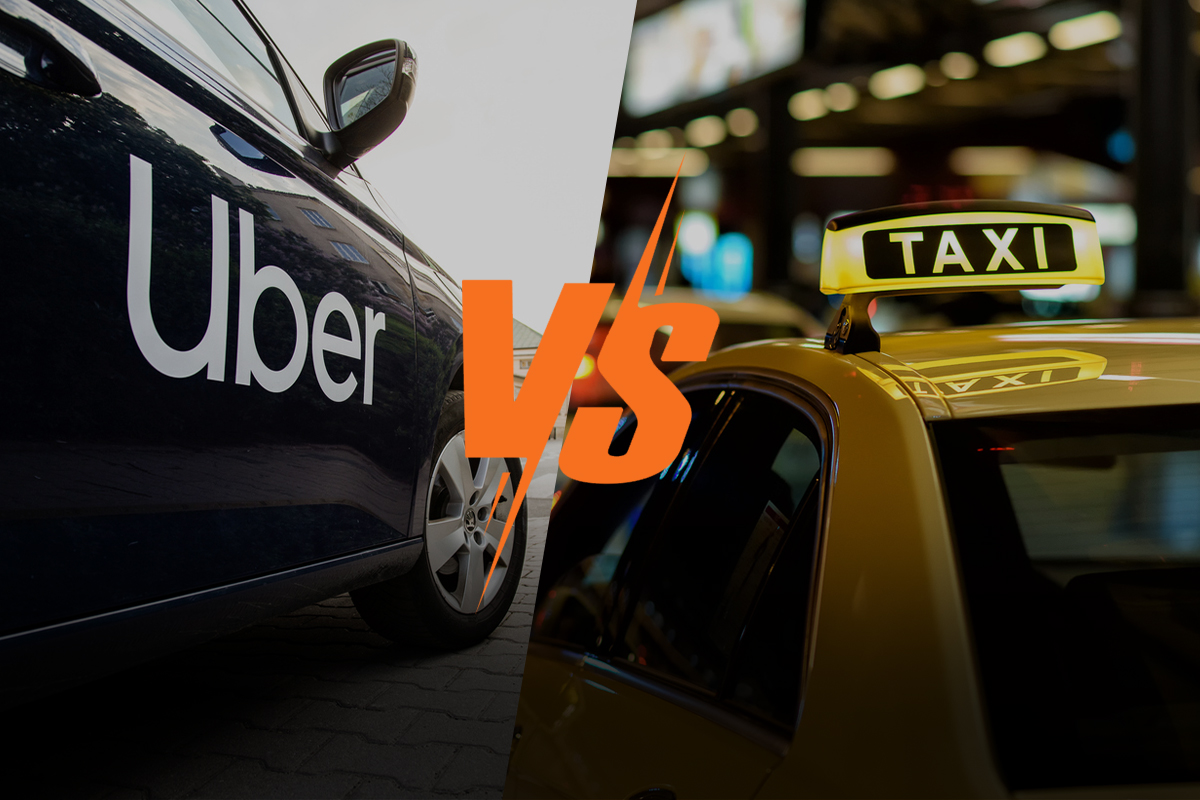 Uber vs Taxi - Which is the Better Choice for Your Travel
Also: Uber uses GPS. Taxi drivers sometimes use gut instinct. And sometimes gut instinct leads you down a one-way street that’s actually a dead end. (Been there. We all have.) The difference is transparency. You know where you’re going with Uber. With a taxi, you’re basically a passenger in a mystery novel.
The Final Verdict (But Not Really)
Look, neither is perfect. Taxis are often easier to grab spontaneously, especially if you’re in a city where Uber isn’t dominating. Plus, some cabbies are absolute wizards of street knowledge. But Uber wins on convenience, price certainty, and not having to own a physical wallet. (Is that a flex? Maybe.)
But here’s the real question: would you rather stand in the rain waving your arm like a frantic penguin, or sit in a warm car watching your phone? Exactly. That’s the difference. One is an adventure you didn’t ask for; the other is a ride you ordered. Choose wisely, my friend. And maybe keep your phone charged—just in case the universe sends another taxi that drives away.
