Difference Between Vanilla Extract And Vanilla Flavor

Have you ever stood in the baking aisle, staring at two bottles that look almost identical, wondering what the actual difference is? You’re not alone. It’s a classic kitchen c...
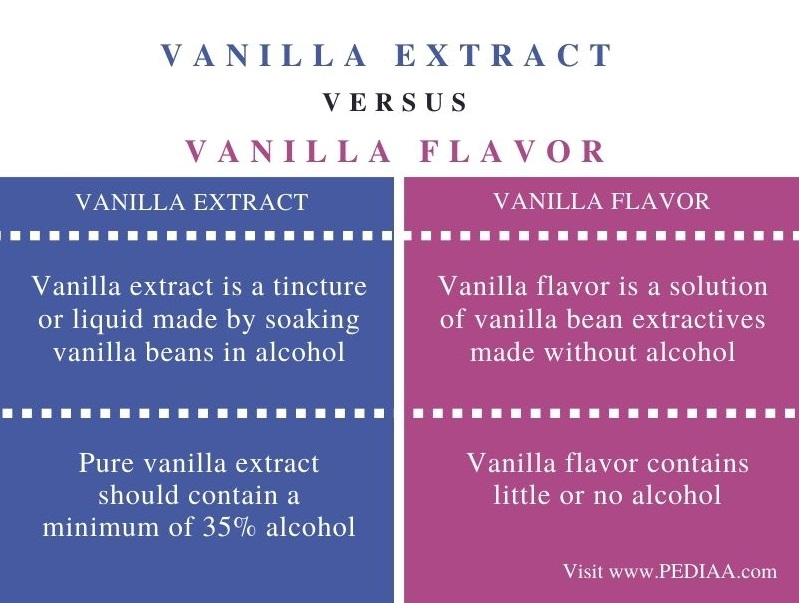
Have you ever stood in the baking aisle, staring at two bottles that look almost identical, wondering what the actual difference is? You’re not alone. It’s a classic kitchen conundrum: Vanilla Extract versus Vanilla Flavor (or imitation vanilla). Let’s break it down without any of the fussy chef-speak.
Think of it like the difference between a real, hand-painted portrait and a high-quality print. Both look pretty, but one has a story, a unique origin, and a depth that the other just can’t fake. The same goes for vanilla.
The Real Deal: What Is Vanilla Extract?
Real vanilla extract starts with a very specific plant: the Vanilla planifolia orchid. Those beautiful, fragrant vanilla beans you see in fancy jars? That’s the fruit of this orchid.
Must Read
To make the extract, these beans are chopped up and soaked in a mix of water and alcohol for months. This process slowly pulls out all the complex flavors and that warm, floral aroma we love.
The result is a liquid that contains hundreds of natural flavor compounds. It’s why a single drop can make a cookie taste like a million bucks. The alcohol acts as a carrier, and it also helps preserve the flavor.
Why Is It So Much More Expensive?
Here’s the kicker: vanilla orchids are finicky. They need a very specific climate (mostly Madagascar, Mexico, and Tahiti) and hand-pollination. That’s right—each flower is pollinated by hand on the day it blooms.
Then the beans have to be cured, dried, and aged for several more months. It’s a labor of love that takes over a year from start to finish. So when you pay a premium for real extract, you’re mostly paying for all that human effort and patience.
Plus, the supply can be volatile due to weather and economic factors. That’s why a tiny bottle can sometimes cost as much as a nice lunch!
The Clever Copycat: What Is Vanilla Flavor?
Now, let’s talk about the other guy: Vanilla Flavor (often called imitation vanilla). This isn’t made from beans at all. It’s a synthetic version created in a lab.
Chemists isolated the main flavor molecule in natural vanilla, called vanillin. They then found a way to produce it from other sources, like lignin (a byproduct of wood pulp in paper manufacturing) or from clove oil.
It’s a single molecule, not a symphony of hundreds. That means it gives you the basic vanilla taste, but it’s blunt and a bit one-dimensional—like hearing a single note on a piano instead of a whole chord.
But Is It Bad? Not At All!
Here’s the surprising part: for a lot of baked goods, vanilla flavor works perfectly fine. In fact, some bakers prefer it for things like chocolate cake, where the complex notes of real vanilla get lost anyway.
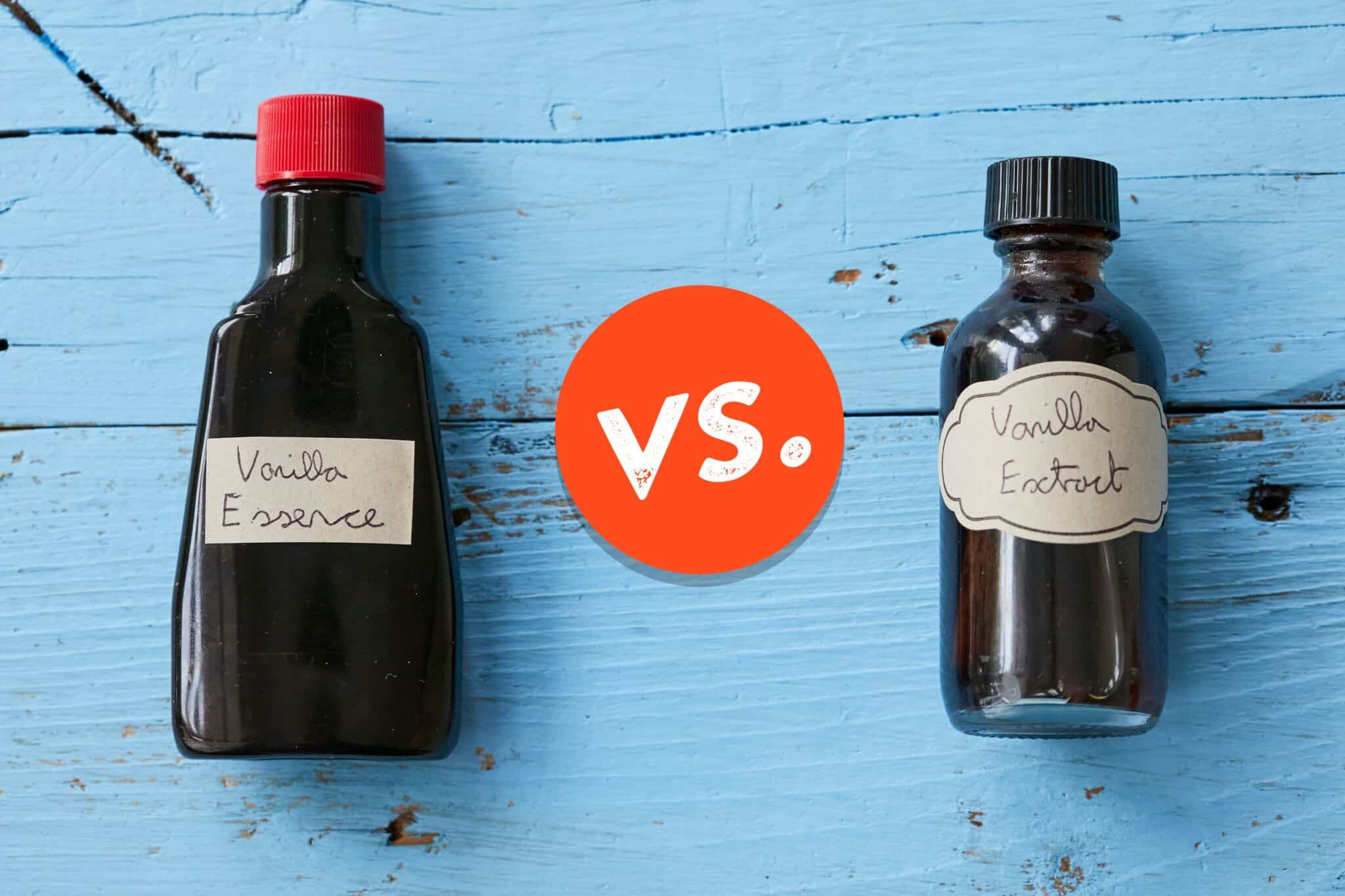 Is Vanilla Flavouring The Same As Vanilla Extract | Detroit Chinatown
It’s also way cheaper. You can get a big bottle for a couple of bucks. And because it’s heat-stable, it doesn’t lose its flavor as quickly in high-heat recipes.
So, imitation vanilla isn’t a villain. It’s just a practical, budget-friendly alternative. Think of it as a good guitar amp vs. a vintage acoustic guitar—both make sound, but the experience is different.
The Fun Comparison: Which One Should You Use?
This is where it gets personal. Imagine you’re making a simple vanilla ice cream or a crème brûlée. Here, the vanilla is the star. You want that depth, those floral and spicy notes. Real extract is your best friend here.
Now imagine you’re baking a batch of sugar cookies for a crowd, or a big pound cake that’s getting covered in frosting. The vanilla is a supporting actor. Vanilla flavor will do the job without breaking your wallet.
Can you taste the difference in a blind taste test? A lot of people can’t in heavily flavored things like chocolate pudding. But in light, delicate dishes? Oh, you’ll notice. It’s like the difference between a store-bought sandwich and one from your favorite deli—both fill you up, but one gives you that little “wow.”
So, What’s the Takeaway?
The cool thing is that both are valid tools in your kitchen. Vanilla extract is for moments when you want to feel like a culinary artist. Vanilla flavor is for those Tuesday nights when you just want pancakes without a science project.
There’s no right or wrong answer—only what makes your taste buds happy. And hey, if you see a bottle labeled “Vanilla Paste”? That’s just extract with the actual bean specks added. It’s like the fancy cousin who brings a gift to every party.
Next time you’re at the store, give the labels a quick read. Real extract will usually list “vanilla bean extractives” and alcohol. Imitation will say “natural and artificial flavors” or “vanillin.”
Honestly, both are pretty interesting if you think about it. One is a story of orchids, farmers, and months of aging. The other is a story of clever chemistry and a bit of wood pulp. Which story do you want to taste today?
