Difference Between White Vinegar And White Wine Vinegar

Okay, let’s talk vinegar. Specifically, the two pale, unassuming bottles that sit side-by-side in your pantry, staring at you like judgmental little ghosts. You’ve got white v...
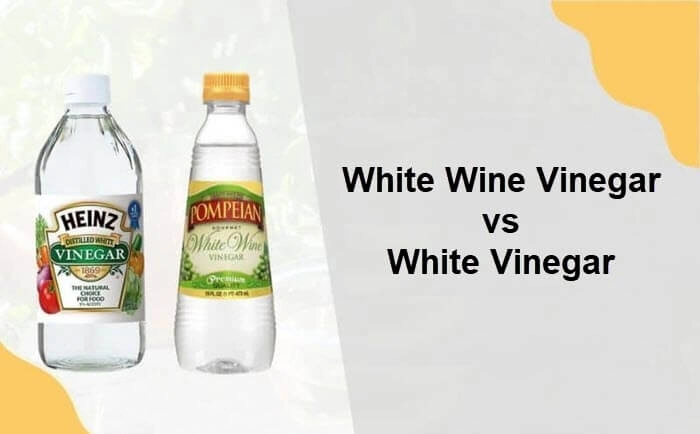
Okay, let’s talk vinegar. Specifically, the two pale, unassuming bottles that sit side-by-side in your pantry, staring at you like judgmental little ghosts. You’ve got white vinegar on the left, and white wine vinegar on the right. They look almost identical, right? But grab the wrong one for a delicate vinaigrette, and you might just ruin your dinner. Or your laundry. Let’s break this down like we’re gossiping about a confusing couple.
The Heavyweight: White Vinegar
First up, white vinegar. This stuff is the Chuck Norris of the vinegar world. It’s made from grain alcohol—yes, like cheap vodka—and then fermented until it’s a sharp, brutal punch of acidity. It’s usually a whopping 5% to 7% acetic acid, which is why it can strip grease and kill germs without breaking a sweat. Think of it as the no-nonsense, muscular friend who shows up with a toolbox and a scowl.
You use this for science projects, cleaning your coffee maker, or pickling cucumbers so they last through the apocalypse. Honestly, would you drink a glass of it? Heck no. You’d taste the bitter, harsh tang and wonder if you’d just licked a battery. It’s not subtle. It’s not friendly. It’s work.
Must Read
When to call on White Vinegar
If you’re pickling something sturdy—like onions, beets, or those giant dill pickles—white vinegar is your buddy. It gives you that clean, crisp snap without adding any flavor. But if you drizzle it over a salad? You’ll taste nothing but pain. And maybe regret.
Also, use it to remove hard water stains from faucets. Pour a cup in your washing machine for stinky gym clothes. It’s the ultimate budget cleaner. Just don’t put it on your food unless you’re trying to punish your taste buds.
The Elegant Actor: White Wine Vinegar
Now, meet white wine vinegar. This one is the sophisticated cousin who brings a nice bottle of wine to the party—but then accidentally turns it into sour magic. It’s made, as you’d guess, from white wine. Like Sauvignon Blanc or Chardonnay. They let that wine ferment further until it becomes tangy, but way more delicate and fruity than its brutish sibling.
White wine vinegar usually clocks in at a lower acidity, about 5%, but it’s not just about numbers. It’s about personality. This vinegar has a subtle floral note, a hint of the grape, and a roundness that doesn’t attack your tongue. It’s the quiet, well-read person in the room who makes you feel smarter just by standing near them.
Where White Wine Vinegar Shines
This is a salad’s best friend. Toss it with olive oil, a bit of Dijon, and some honey, and you’ve got a vinaigrette that makes people close their eyes and hum. It’s perfect for marinating chicken or fish, because it adds brightness without overpowering the actual food. White wine vinegar is the star of any delicate sauce—think hollandaise or beurre blanc. You can even splash it over roasted veggies for a zing that feels like a warm hug.
And here’s the kicker: you can actually sip a tiny bit of it (please don’t chug) and go, “Oh hey, that’s kinda pleasant.” Try that with white vinegar, and you’ll be reaching for a glass of milk. I promise.
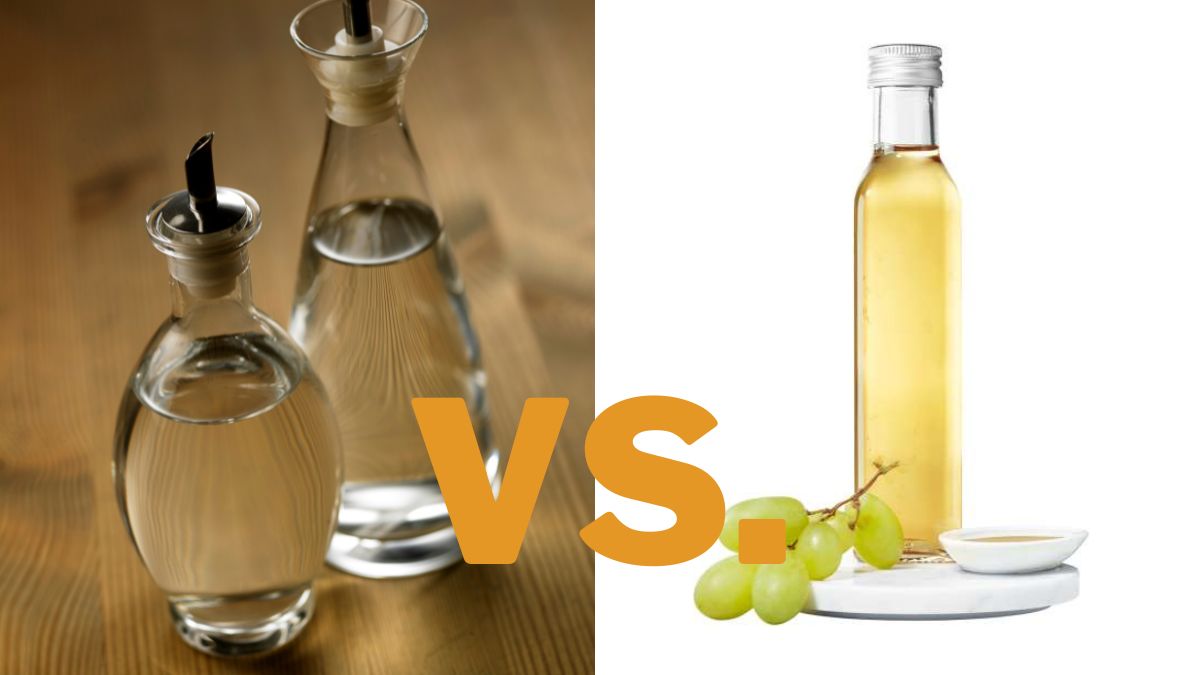 Are White Vinegar And White Wine Vinegar The Same Thing at Charlene
The Big, Life-Altering Difference
So what’s the main difference? Flavor intensity and purpose. White vinegar is a brute-force cleaning and pickling agent. White wine vinegar is a nuanced, culinary companion. One will strip the varnish off a table; the other will make your vinaigrette sing. You can’t swap them without consequences. Imagine putting white vinegar in a delicate seafood salad—it’s like playing death metal at a baby shower. Just wrong!
Also, cost. White vinegar is cheap—like, dirt cheap. You can buy a gallon for pocket change. White wine vinegar is pricier, often double or triple the price, because, well, wine isn’t free. But that extra cost buys you flavor complexity. Worth every penny if you actually like eating.
Can You Ever Substitute?
In a pinch? Sure. If you’re out of white wine vinegar for a recipe, and you only have white vinegar, you can stretch it by diluting it with water and adding a pinch of sugar. But that’s like trying to make instant coffee taste like espresso. It works, but it’s sad.
Or, if you need white vinegar for cleaning but only have white wine vinegar, that’s a waste of good vinegar. Please don’t clean your windows with something that could have been a fancy dressing. That’s vinegar treason.
The Final Pour
Here’s your takeaway: white vinegar is for jobs where you need brute force—pickling, cleaning, unclogging. White wine vinegar is for jobs where you need grace—salads, sauces, delicate dishes. Keep both in your kitchen. They’re not enemies; they’re just coworkers with very different resumes.
So next time you reach for a clear bottle, pause. Ask yourself: “Do I want to eat this, or do I want to sanitize a cutting board with it?” Your mouth (and your salad) will thank you.
