Do The Teeth Whitening Strips Work

So there I was, staring at my reflection in the bathroom mirror at 2 a.m., coffee mug in hand. I smiled—a grimace, really—and saw what looked like a piano keyboard that had be...
So there I was, staring at my reflection in the bathroom mirror at 2 a.m., coffee mug in hand. I smiled—a grimace, really—and saw what looked like a piano keyboard that had been through a flood. Great. Those little yellow stains from years of espresso and red wine were not going to vanish on their own.
That’s when I found myself ripping open a box of whitening strips, like some kind of desperate dental knight. I’d seen the ads: models with blinding smiles, promising a “Hollywood white” in just fourteen days. Spoiler alert: I am not a model, and my bathroom lighting is brutally honest.
The big question: do they actually work?
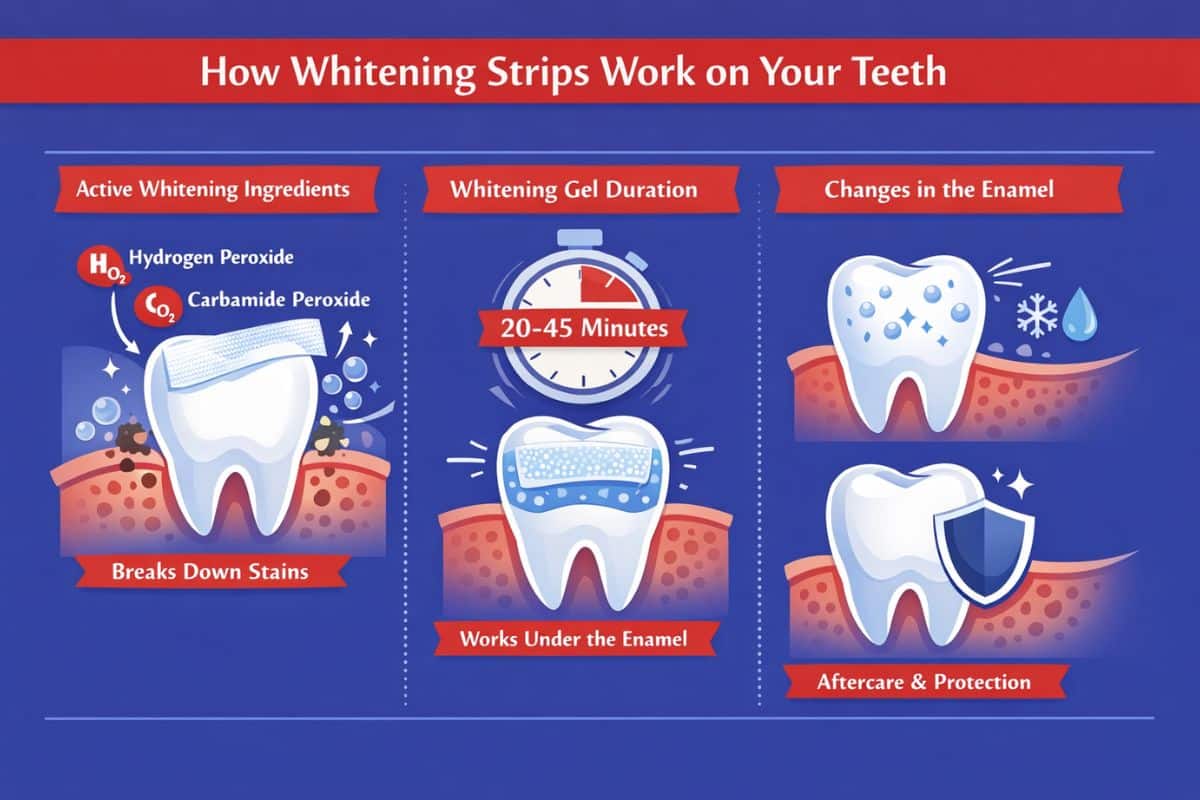
Let’s cut through the minty-fresh fog. Yes, whitening strips can work—but it’s not magic, and it’s definitely not the same for everyone. They contain peroxide (either hydrogen or carbamide) which bleaches the enamel, breaking down stains from things like coffee, tea, and tobacco. Think of it as bleach for your teeth, but weaker and slower. Patience, young padawan.
Must Read
But here’s the kicker: strips only work on natural tooth enamel. If you’ve got crowns, veneers, or fillings in your front teeth? Sorry, friend, those will stay their original shade. You’ll end up with a smile that looks like a mismatched checkerboard. Ask me how I know. (Spoiler: I have a crown. It didn’t change color. I looked ridiculous for two weeks.)
The “fine print” nobody talks about
Most strips promise visible results in 7–14 days. That’s kind of true—if you follow the directions exactly. And I mean exactly. Leave them on too long and you get tooth sensitivity that feels like little lightning bolts. Cheat on the schedule and you’ll just waste money. One friend of mine wore them for 30 minutes instead of 60 and got zero results. She blamed the strips. I blamed her math.
Oh, and the sensation? Imagine sticking ice cubes on your gums while someone taps your teeth with a tiny hammer. That’s the sensitivity. It usually fades, but for some people it lingers. Fun times.
 How Often Should You Use Mouthwash? Explained by Dentists
Also, let’s talk about stripes. Yes, actual zebra stripes. If the strip doesn’t fit your teeth perfectly, you get bright spots and dark gaps. It’s like a panda smile. Very trendy in private, not so much in public.
What about the “overnight” miracle claims?
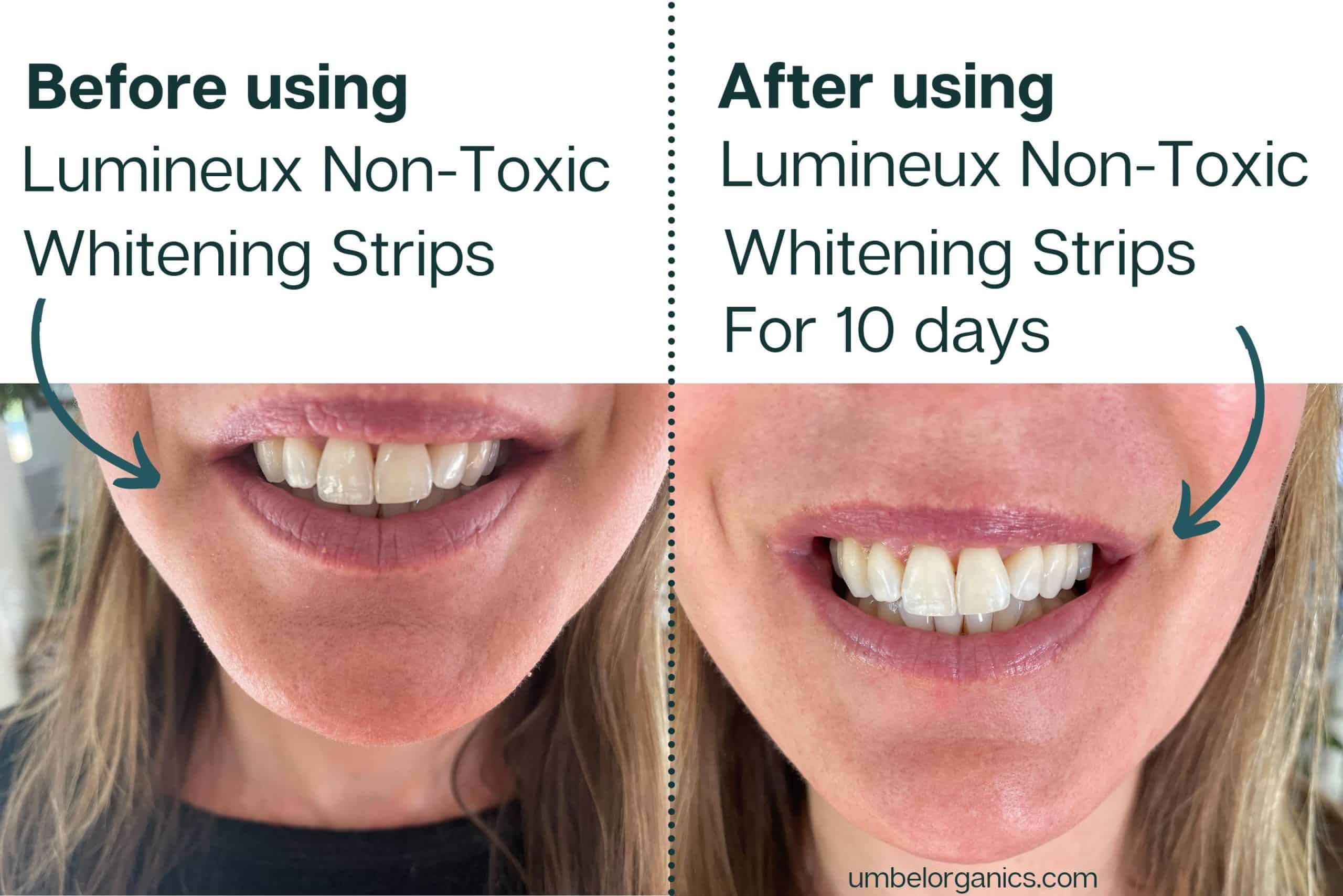
Nope. No. Any product that says “whiter in one hour” is either lying or burning your enamel off. Teeth whitening is a chemical reaction, not a Photoshop filter. A 2019 study in the Journal of the American Dental Association found that strips can lighten teeth by about two to three shades over two weeks—if you’re consistent. That’s decent, but it’s not “replace your makeup mirror” decent.
Comparing strips to in-office whitening is like comparing a microwave meal to a chef’s tasting menu. The dentist uses stronger bleach and a light activator. That’s faster and more dramatic. You pay for that convenience (and the chairside chat). Strips are the budget-friendly slow cooker version. Both can get you to a whiter smile, but one requires a lot more patience and a lot less drooling.
So, should you buy them? A little checklist for you
First, check your sensitivity level. If eating ice cream makes you wince, skip the strips or buy ones designed for sensitive teeth. Trust me, you don’t want to double down on that pain.
 Whitening Strips: Do They Work And How To Use Them – HCGP
Second, be realistic. If your teeth are naturally yellowish (that’s the dentin showing through), strips will help but won’t make you toothpaste-commercial white. If your stains are from smoking or heavy coffee drinking, you’ve got a good shot. If you’re aiming for “A-list celebrity on a yacht,” you’ll need a dentist and a budget.
Third, don’t swallow the gel. It tastes like bitter chemicals, and your stomach will not thank you. Stick to the schedule—usually 30-minute sessions, once a day. And for goodness’ sake, don’t talk while wearing them. You’ll sound like you have a mouth full of packing tape.
The honest verdict from a caffeine addict
After two weeks of strip-wearing, my teeth were noticeably whiter. Not “blinding” whiter, but “I don’t look like I drink tar” whiter. My friends noticed. I felt more confident. The sensitivity lasted about three days after I finished the course, and then it faded. Would I do it again? Yes, but only before a big event, and I’d use a sensitive-teeth brand so it didn’t feel like a punishment.
Here’s the ultimate truth: whitening strips do work—within reason. They’re not a miracle, but they’re not a total scam either. They’re a tool. Like a hammer. You can build a smile or smash your confidence, depending on how you use them. So go ahead, give ’em a shot. Just don’t expect to look like a toothpaste ad in under a week. And for the love of all that is holy, wipe your chin after you take them off. That gel gets everywhere.
