Does Cheese Give You Weird Dreams

Okay, let me set the scene. Last Tuesday, I had a late-night craving that could only be silenced by a thick, gooey slice of three-cheese pizza. I devoured it, felt a mild sens...

Okay, let me set the scene. Last Tuesday, I had a late-night craving that could only be silenced by a thick, gooey slice of three-cheese pizza. I devoured it, felt a mild sense of victory, and crashed into bed. An hour later, I was being chased through a library by a sentient wheel of cheddar who kept shouting "You are not ready for the Gouda!" in a British accent.
I woke up sweaty, confused, and deeply suspicious of my snack choices. And I know I’m not alone here. Have you ever had a dream so bizarre that you immediately blamed the last thing you ate? Because I think we all know the real culprit: cheese.
For decades, we’ve heard the old wives’ tale that eating cheese before bed gives you nightmares. But is it true? Or is it just an easy scapegoat for our brain’s natural nighttime chaos? Let’s dive into the dairy aisle of your subconscious.
Must Read
The British Cheese Dream Study
Believe it or not, there was actually a real study on this in 2005. The British Cheese Board—yes, that’s a real organization—decided to test the theory. They fed participants 20 grams of cheese about 30 minutes before sleep.
Here’s the kicker: none of the participants reported nightmares. Instead, they reported weirdly vivid, often pleasant dreams. Stilton cheese, in particular, was linked to dreams about talking animals and childhood friends.
So, the myth that cheese gives you nightmares might be bunk. But the idea that it gives you weird dreams? That actually has some science behind it.
Why Cheese Might Mess With Your Sleep (and Dreams)
Cheese is packed with an amino acid called tryptophan. Your brain uses tryptophan to make serotonin, which then becomes melatonin—the hormone that regulates your sleep cycle. So, cheese can actually help you fall asleep faster. That’s the good news.
But here’s the twist: cheese also contains tyramine, a compound that can rev up your brain. Tyramine triggers the release of norepinephrine, which is basically your brain’s adrenaline system. If you eat a lot of cheese close to bedtime, you might get a weird cocktail of "sleepy" and "alert" chemicals.
This cocktail can lead to more fragmented sleep. You wake up more often, even if you don’t remember it. And because you’re waking up between REM cycles, you’re more likely to recall the bizarre narrative your brain just cooked up.
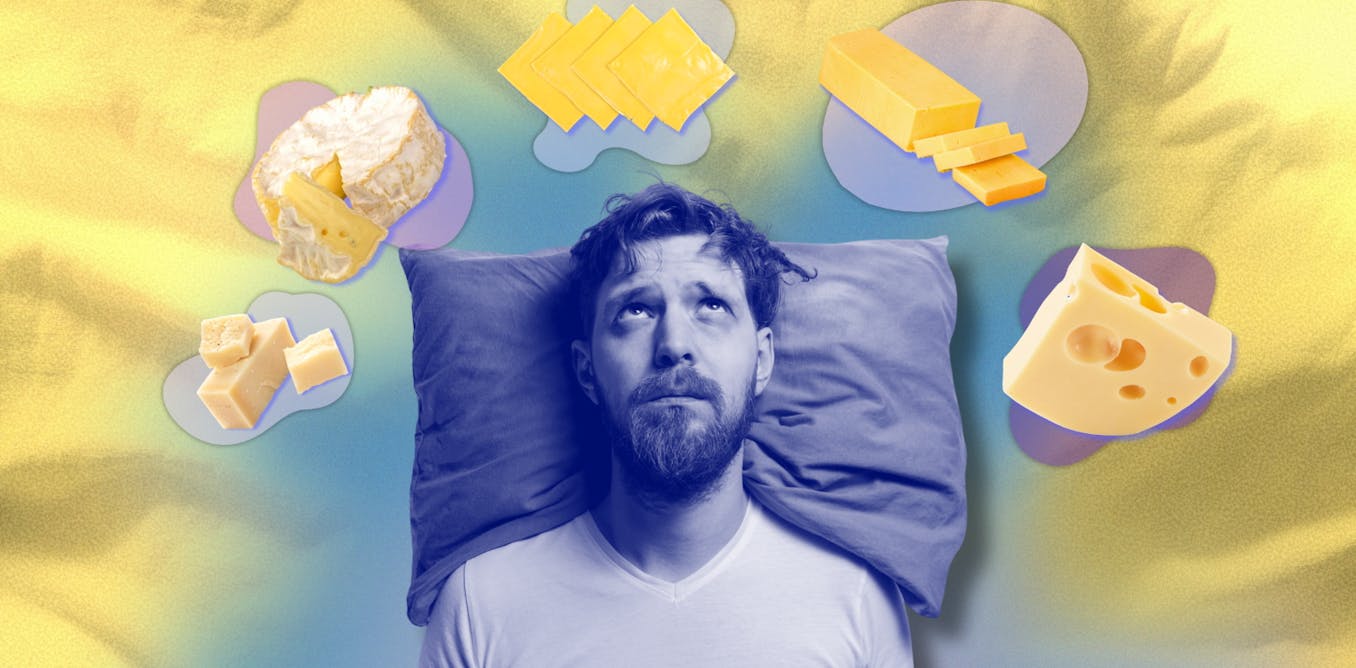 Does eating cheese before bed really give you nightmares? Here’s what
Think of it like this: cheese doesn’t cause the weird dreams. It just helps you remember them. And let’s be honest, your brain is already a strange place after midnight.
The Type of Cheese Matters (A Lot)
Not all cheese is created equal in the dream department. A 2015 study from the University of Nottingham suggested that blue cheese—like Stilton or Roquefort—is the most likely to trigger vivid dreams. Why? It has higher levels of tyramine and a more complex bacterial makeup.
On the flip side, softer cheeses like mozzarella or cottage cheese have less tyramine. They’re more likely to just make you feel cozy and full, not send you into a fever dream about being late for a meeting with a camel. (You know the type.)
So if you’re a person who hates weird dreams—or loves them, no judgment—pick your poison wisely. A sharp cheddar might be a gamble. A piece of brie? Probably a safe bet for a boring, peaceful night.
What Actually Happens in Your Brain?
Here’s the part that makes me smile: your brain doesn't know the difference between "real" digestion and "weird" processing. When you eat a heavy, fatty meal like cheese right before sleep, your body has to work harder to digest it. That extra internal activity can signal your brain to stay in a lighter sleep stage.
Lighter sleep means more REM sleep, which is where most of our vivid dreaming happens. So you’re not having more dreams—you’re just spending more time in the dream factory, with the lights on.
 Does Cheese Really Give You Bad Or More Vivid Dreams? | IFLScience
And because your body is busy digesting fat, your brain can mix those physical sensations into your dream plot. That weird feeling of being full? Your dream might turn it into a plot where you’re being swallowed by a giant pillow. See? It’s just storytelling.
So, Should You Stop Eating Cheese Before Bed?
Look, I’m not going to tell you to cut out cheese. That’s a monstrous request, and frankly, I wouldn’t trust someone who suggested it. But if you’re prone to nightmares or really unsettling dreams, it might be worth moving your cheese-heavy snack to earlier in the evening.
Give your body two to three hours to digest the fat and protein before you hit the pillow. That way, you get the comforting taste without the late-night brain fireworks. Your dreams will still be yours, but probably less "I am being chased by a wise-cracking Gouda."
Or maybe you like the weird dreams. Maybe you want to wake up and laugh at the absurdity. Honestly, that’s a valid life choice. A little nocturnal entertainment never hurt anyone.
The Final Slice
So, does cheese give you weird dreams? Yes… but no. It doesn’t cause them, but it certainly amplifies them. It’s like adding a filter to your brain’s already chaotic movie reel.
Next time you have a bizarre dream, don’t just blame the cheese. Blame the whole combination: the late hour, the heavy digestion, the natural weirdness of being a human with a brain. But if you want to be dramatic about it, absolutely blame the cheese. It’s more fun that way.
Now, if you’ll excuse me, I’m off to have a bowl of cherries before bed. No cheese. Let’s see if my dreams are boring tonight. (I’ll keep you posted.)
