Does Eating Cheese Before Bed Give You Nightmares

So, you’ve just polished off a hunk of sharp cheddar before bed, and now you’re wondering if you’ll be chased by a giant cheese wheel wearing a top hat in your dreams. It’s a...
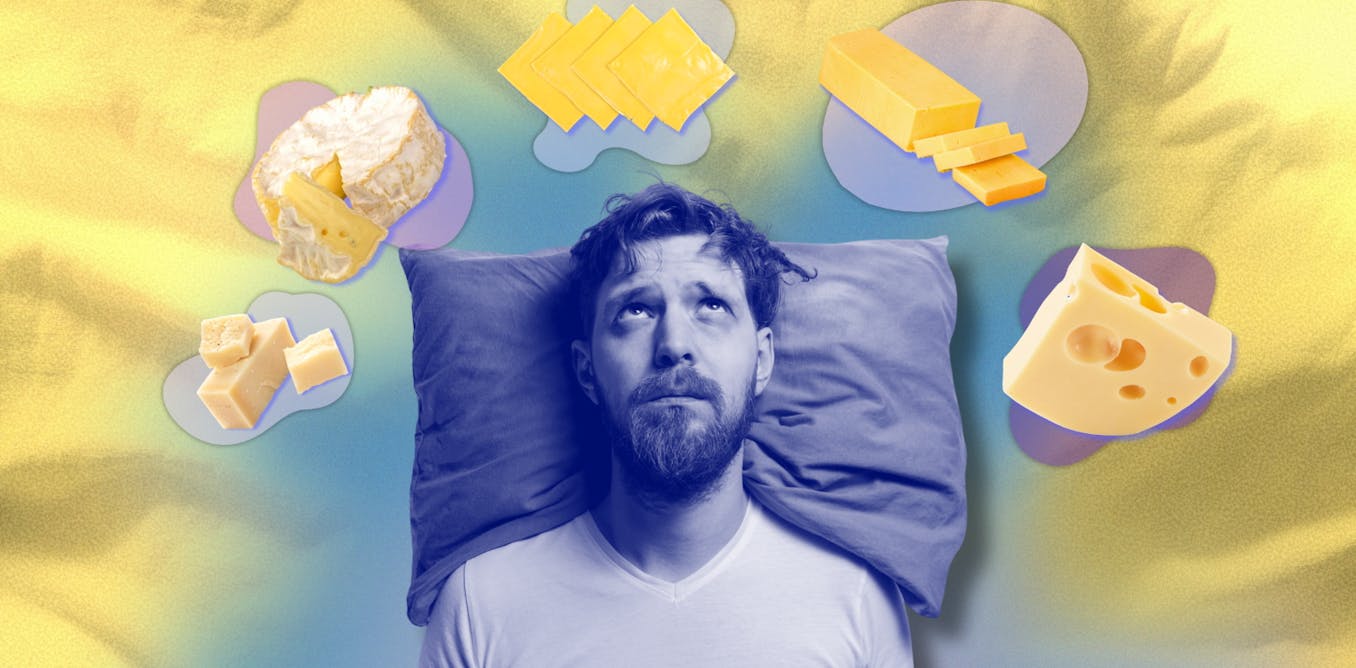
So, you’ve just polished off a hunk of sharp cheddar before bed, and now you’re wondering if you’ll be chased by a giant cheese wheel wearing a top hat in your dreams. It’s a classic food myth that’s been floating around since your grandma first warned you about it. Let’s bite into this cheesy question with a fork and a healthy dose of skepticism.
First, the short answer: No, eating cheese before bed probably won’t give you nightmares. At least, not directly. But the story behind this old wives’ tale is way more interesting than a simple "yes" or "no," and it involves everything from Victorian-era ghost stories to your brain’s weird chemistry.
The Swiss Cheese Conspiracy
The rumor likely started with a 2005 study from the British Cheese Board. Wait, that’s a real thing. Yes, there is an actual British Cheese Board, and they funded a study because they were tired of cheese getting a bad rap. They gave 200 volunteers 20 grams of cheese before bed and monitored their dreams.
Must Read
Here’s the punchline: Only 2% of participants reported nightmares. Most people had pleasant dreams, and interestingly, those who ate Stilton (the moldy blue stuff) reported some of the most bonkers, vivid dreams—including one about a vegetarian crocodile who was sad he couldn’t eat children. No, I’m not making that up.
What’s Actually Happening in Your Brain?
Your body digests cheese just like any other food. The real culprit isn’t cheese, but eating too much of anything right before you hit the pillow. A full belly makes your body work overtime, which can disturb your sleep cycles. And when sleep is fragmented, you’re more likely to remember your dreams, including the weird ones.
Cheese does contain tryptophan, the same amino acid in turkey that makes you drowsy. But it also has tyramine, an amino acid that can excite your brain in some people. If you’re sensitive to tyramine, cheese might make your brain a bit more active as you sleep. Active brain + broken sleep = you wake up thinking you just wrestled a demon made of Gouda.
The "Hard Cheese, Hard Night" Myth
This is where it gets funny. Many people swear that hard cheeses (like Parmesan or aged cheddar) give them the worst dreams. But science says that’s likely a placebo effect. You expect to have a weird dream, so you do. I once ate a half-pound of Pecorino Romano and dreamed I was a Roman senator arguing about tax policy. Coincidence? Probably.
 I tried eating cheese before bed to see if it gave me nightmares it did
In fact, a 2021 review in the journal Frontiers in Psychology found zero evidence that cheese causes nightmares. They did note that high-fat foods can mess with your sleep quality, but that applies to pizza, burgers, and even avocado toast. Cheese is just an innocent bystander.
When Cheese Might Be a Monster
There is one very specific case where cheese could ruin your night: lactose intolerance. If you lack the enzyme to digest lactose, eating a big slab of cheddar could cause gas, bloating, and stomach pain. That physical discomfort can jolt you awake or give you restless sleep. And a restless brain can cook up some weird dream plots.
But that’s not a nightmare from the cheese itself. That’s a nightmare from your gut screaming, "Why did you do this to me, you glorious fool?" Similarly, people with a tyramine sensitivity might feel a bit jittery or have palpitations, which can make sleep less restful. But that’s rare, and it’s not the same as a sleep paralysis demon.
The Victorian Ghost Connection
This myth actually has a hilarious origin story. Back in the 1800s, British writer Charles Dickens (yes, that guy) published a story called "The Haunted Cheese" in a magazine. It was a joke about a man who eats too much cheese before bed and dreams he’s being crushed by a wheel of Gloucester. Victorian readers didn’t get the satire, and thus, a fake fact was born.
 Cheese Before Bed Might Actually Be Giving You Nightmares
So, the whole "cheese gives you nightmares" thing is basically a 180-year-old prank that went viral before the internet existed. We’ve been pranked by a dead novelist.
The Weird Exceptions: Blue Cheese and Beyond
While the British Cheese Board study showed Stilton led to wacky dreams, it’s because aged blue cheeses contain trace amounts of ergot alkaloids, a compound related to LSD—but in such tiny amounts it can’t make you hallucinate. More likely, the strong flavor just triggers your brain’s sensory memory, making your dreams more colorful. It’s like the cheese version of listening to music before you sleep.
On the flip side, eating very low-fat cheese (like cottage cheese) before bed can actually improve sleep. Cottage cheese is rich in casein protein, which releases amino acids slowly through the night. Some athletes eat it to prevent muscle breakdown. So you can dream of winning a marathon instead of being chased by a dairy cow.
The Verdict: Eat Your Cheese, Dream of Peace
Unless you have a specific intolerance, cheese is a perfectly fine bedtime snack. The myth is just a cultural joke that won’t die. So go ahead, nibble that aged Gouda. If you wake up screaming, it’s probably because your subconscious is still processing that episode of a true-crime podcast you watched, not because a Camembert monster is hiding under your bed.
Pro tip: If you’re really worried, just pair cheese with a few crackers to slow digestion. And maybe avoid Stilton right before you watch The Ring. But hey, you do you. Sweet dreams, and pass the cheddar.
