Does The Combined Pill Make Your Breasts Grow

If you’ve ever found yourself side-eyeing your bra cup after starting the combined pill, you’re not alone. It’s one of those whispered myths that floats around bathroom mirror...

If you’ve ever found yourself side-eyeing your bra cup after starting the combined pill, you’re not alone. It’s one of those whispered myths that floats around bathroom mirrors and group chats: “Does it actually make your breasts grow?” Spoiler alert—it’s not magic, but it’s not entirely a fairy tale either. The truth is a lot more nuanced, and way more interesting, than your high school rumor mill suggested.
The Science Behind the Swell
The combined pill contains two hormones: estrogen and progestin. Estrogen is the key player here, as it can cause temporary fluid retention in your breast tissue, making them feel fuller or slightly larger. Think of it like the puffiness you get before your period—just dialed up and stretched over a month. But here’s the kicker: this isn’t real growth in the sense of new tissue; it’s mostly water weight that waxes and wanes.
Some women do experience a subtle increase in glandular tissue, especially in the first few months of starting the pill. However, studies show this effect is usually minor and often fades after your body adjusts. If you’re expecting a full cup-size upgrade, you might be disappointed—but hey, a little temporary plumpness can feel like a cute bonus.
Must Read
Cultural Myths and Instagram Hacks
We’ve all seen those viral videos promising “boob growth with birth control.” It’s the same energy as those 2000s ads for “miracle bras” that promised cleavage without effort. The reality? Genetics and body composition rule the day. Your breast size is largely determined by fat distribution and genetics, not a daily pill. So while the combined pill can nudge the needle slightly, it won’t turn an A-cup into a D-cup overnight.
Fun fact: In the 1960s, when the pill first hit the market, some women reported breast growth as a side effect because the early doses were much higher in estrogen. Today’s formulas are lower-dose and more controlled. So if your grandma says she “grew a cup size on the pill,” she might not be lying—she just had a different prescription than you.
What to Actually Expect (Real Talk)
If you’re considering starting the pill, don’t buy a new bra size just yet. Most women notice mild swelling in the first three months, often accompanied by tenderness. That’s your body adjusting to the hormones, and it usually settles down. A few women report persistent fullness, but it’s rare and rarely dramatic. The bigger change? Your breasts might feel denser or more sensitive, which can be confusing if you’re not expecting it.
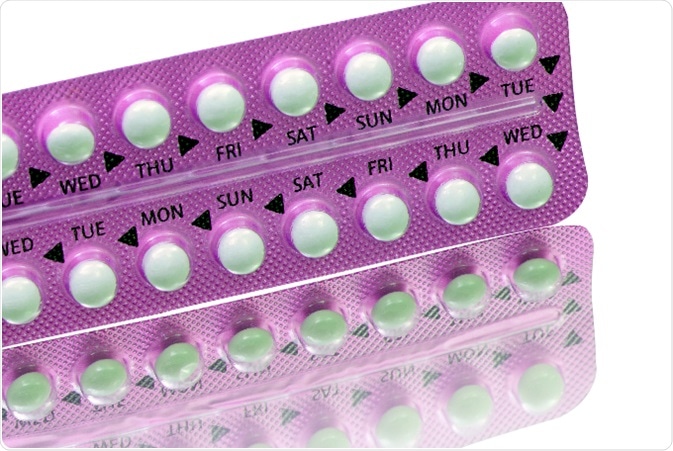 Combined Contraceptive Pill Names – FNXCML
Pro tip: Track your symptoms in a journal or app. Note any changes in size, discomfort, or mood. This isn’t just for curiosity—it helps your doctor tweak the dosage if needed. And remember: if you experience painful lumps or sudden asymmetry, see a healthcare professional ASAP. That’s not the pill’s fault; it’s just smart self-care.
Practical Tips for a Smoother Ride
If you want to minimize bloating and breast tenderness, try these lifestyle hacks: reduce salt intake to combat water retention, wear a supportive bra (even to sleep if needed), and stay hydrated. Magnesium supplements can also help ease breast soreness. And yes, that cute bralette you love? It might look great, but for comfort, choose a seamless, cotton-lined design during the adjustment phase.
Another little-known fact: your menstrual cycle phase affects how you react to the pill. During your withdrawal bleed (the placebos), hormone levels drop, often reducing breast fullness. So if you feel “smaller” that week, that’s normal. It’s like your body’s own version of a mood ring—only on your chest.
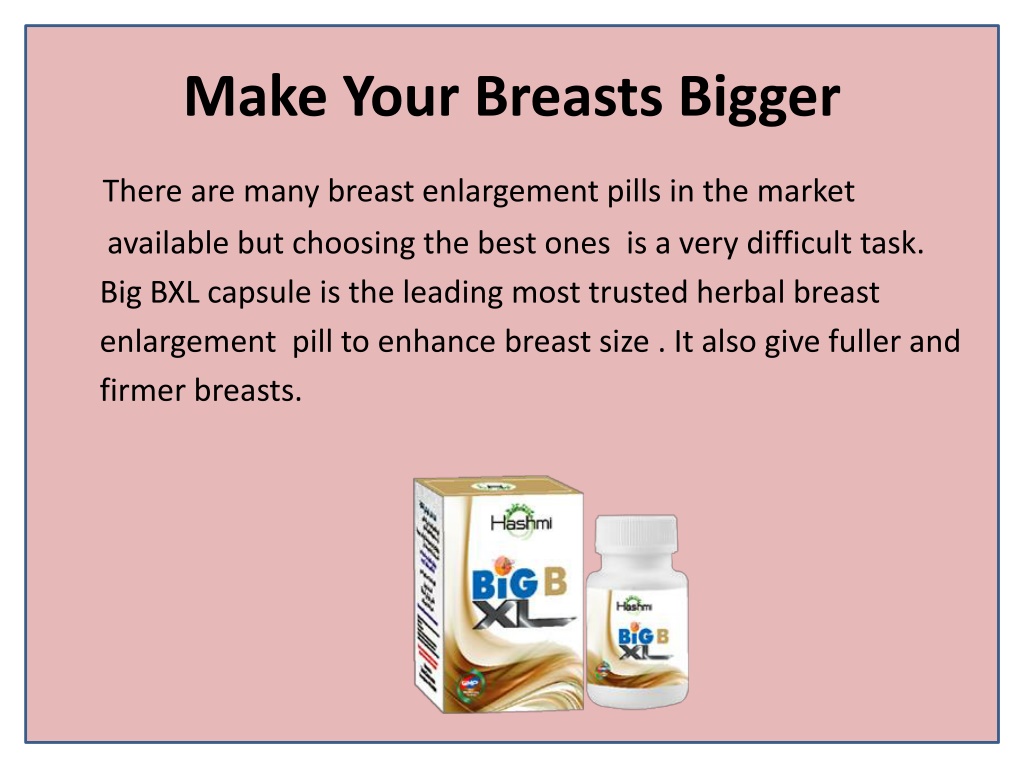 PPT - Shape up Your Breasts and Increase Their Cup Size PowerPoint
The Entertainment Factor: Pop Culture’s Take
Remember that iconic scene in Mean Girls where the Plastics talk about “messing with the hormones”? They were onto something, but in a chaotic, high-school way. The combined pill is actually a powerful medical tool—it’s not just for boob dreams. It regulates periods, clears acne, and reduces ovarian cancer risk. The whole “bigger boobs” thing is more of a side note than a feature.
In real life, social media influencers often dramatize this effect for clicks. The truth is boringly healthy: most women don’t notice a difference. So if you’re hoping for a Victoria’s Secret moment, you might be better off investing in a push-up bra. But if you’re looking for reliable contraception and fewer cramps, the pill is still a solid choice.
Reflection: Tuning Into Your Body’s Rhythm
At the end of the day, your breasts are like any other part of you—they fluctuate with hormones, time, and life. Whether you’re on the pill or not, your body’s story is uniquely yours. The combined pill doesn’t magically reshape you; it just nudges your internal chemistry a little. That’s the real beauty: learning to listen to the signals.
So next time you catch yourself staring in the mirror, wondering if something’s changed, remember this: your body is a dynamic, living thing. The pill is just one variable in a much bigger equation. Embrace the small shifts, laugh at the myths, and always trust your own experience over a trend. And if you’re still curious? Ask your doctor or pharmacist—they hear this question every day, and they won’t laugh. Well, maybe a little, but only in a kind way.
