Example Of A Normative Economic Statement

Imagine you're at a coffee shop, chatting with a friend about the perfect cup of coffee. You might say something like, "A good cup of coffee should cost no more than $3." This...
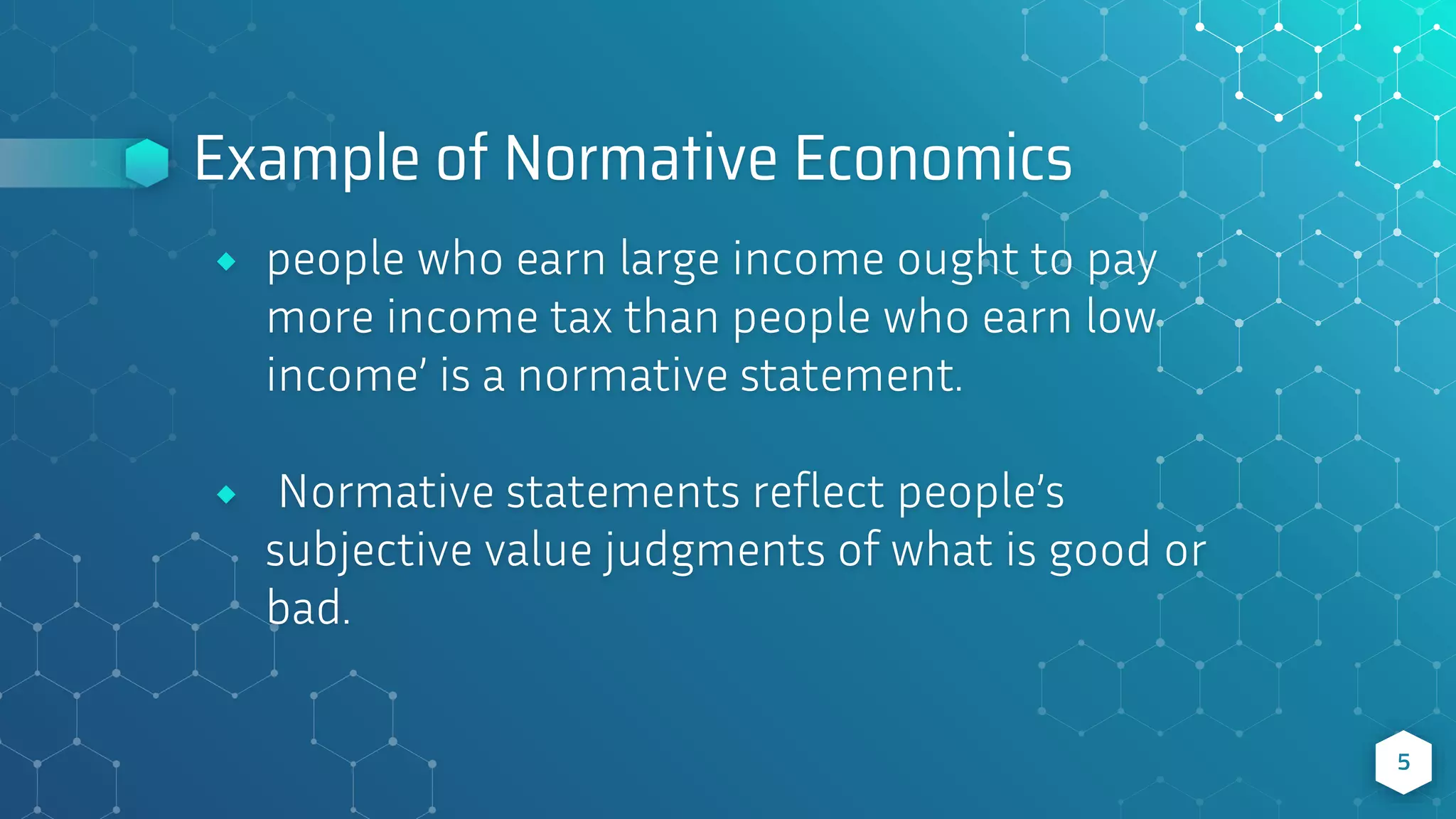
Imagine you're at a coffee shop, chatting with a friend about the perfect cup of coffee. You might say something like, "A good cup of coffee should cost no more than $3." This might seem like a casual statement, but it's actually a great example of a normative economic statement, which expresses a value judgment about how things should be.
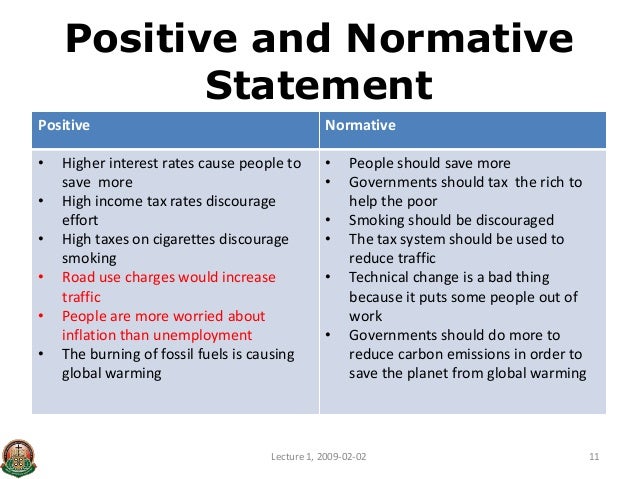
A normative economic statement is different from a positive economic statement, which simply states facts about the economy. For instance, saying "Coffee shops in this city charge an average of $4 for a cup of coffee" is a positive statement, because it's just reporting on the state of things. But when you say that coffee should cost no more than $3, you're expressing an opinion about what's fair or reasonable.
Why Does it Matter?
The distinction between normative and positive economic statements matters, because it helps us understand that economic discussions often involve value judgments. When policymakers or experts make recommendations, they're often based on normative assumptions about what's best for society. For example, if a politician says that the minimum wage should be increased to $15 per hour, they're making a normative statement about what's necessary for a decent standard of living.
In daily life, we make normative economic statements all the time, often without realizing it. We might say that housing costs are too high, or that public transportation should be free. These statements reflect our values and priorities, and they can influence how we think about economic issues. By recognizing when we're making normative statements, we can have more informed and nuanced discussions about the economy.
Consider a story about a friend who's struggling to make ends meet. You might say, "It's unfair that they have to work two jobs just to pay the rent." This is a normative statement, because it expresses a value judgment about what's fair or just. By acknowledging the normative aspect of this statement, we can begin to explore ways to address the issue, such as advocating for affordable housing or living wage policies.
So, why should you care about normative economic statements? Well, being aware of these statements can help you evaluate information more critically. When you read news articles or listen to experts, you can ask yourself whether they're making normative assumptions or simply reporting on facts. This can help you think more clearly about economic issues and make more informed decisions.
 Elem lec intro
Real-World Implications
In the real world, normative economic statements can have significant implications. For instance, a company might make a normative statement about the minimum wage by saying that it's necessary to pay workers a living wage to ensure their dignity and well-being. This statement reflects the company's values and priorities, and it can influence their business practices and policies.
Similarly, governments might make normative statements about taxation or social welfare policies. These statements can shape the direction of economic policy and have far-reaching consequences for individuals and communities. By recognizing the normative aspect of these statements, we can have more informed discussions about the economy and make more informed decisions about the kind of world we want to create.
As you go about your daily life, take notice of when you're making normative economic statements. Are you saying that something is fair or unfair? Are you expressing a value judgment about how things should be? By being more mindful of these statements, you can engage more deeply with economic issues and contribute to more nunuanced and informed discussions about the economy.
So, the next time you're chatting with a friend about the perfect cup of coffee, remember that even the most casual conversations can involve normative economic statements. By recognizing and exploring these statements, we can gain a deeper understanding of the economy and our place within it. And who knows, you might just find yourself thinking more critically about the world around you, one cup of coffee at a time.
