How Do You Test For Gluten Sensitivity

Let’s be honest: you took one bite of that artisan sourdough, and now your stomach is staging a tiny, angry protest. Or maybe you feel like a fog rolled into your brain right...
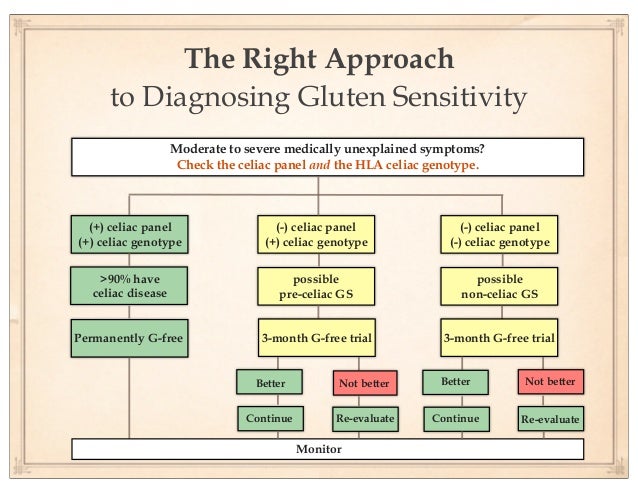
Let’s be honest: you took one bite of that artisan sourdough, and now your stomach is staging a tiny, angry protest. Or maybe you feel like a fog rolled into your brain right after that bowl of pasta. If that sounds familiar, you might be asking yourself the big question: How do I test for gluten sensitivity?
First, take a deep breath. You’re not alone, and you don’t need a lab coat to start figuring this out. Testing for gluten sensitivity is less about a single blood draw and more like being a detective in the story of your own body.
The "Not Celiac" Difference
Here’s the thing: gluten sensitivity is real, but it’s not celiac disease. Celiac is an autoimmune reaction that damages your small intestine—doctors have clear blood tests and biopsies for that. Sensitivity, on the other hand, is like that grumpy neighbor who complains about your music but never calls the police.
Must Read
Your body reacts to gluten without the intestinal damage. The trick is that symptoms can show up hours or even days later. That makes the "test" feel like playing Clue while blindfolded.
Step 1: The Honest Food Diary
Grab a notebook or open a note on your phone. For two weeks, write down everything you eat and how you feel an hour, three hours, and the next morning. Don’t cheat—write down that bagel even if you love it.
You’re looking for patterns. Do you always get bloated after a sandwich? Does your brain feel cloudy after a pizza party? Bingo—you just found a clue.
Step 2: The Gluten Elimination Diet (The Hardest Part)
This is where you become a gluten-free warrior for two to six weeks. Say goodbye to bread, pasta, beer, soy sauce, and sneaky gluten in dressings and soups. It’s like breaking up with a snack you’ve been dating since childhood.
Be kind to yourself. Stock up on rice, potatoes, quinoa, and veggies. And yes, you will accidentally eat a cracker at a party—that’s okay. Just get back on the wagon.
After week three, check in. Do you feel lighter? Is your tummy quieter? Are you suddenly sleeping like a baby? If yes, you might be onto something.
Step 3: The Grand Reintroduction (The "Dare" Phase)
Now, the fun part. Eat gluten on purpose for a day. Have a big, chewy bagel or a plate of spaghetti. Then wait and watch—like a scientist watching a lava lamp bubble over.
If your symptoms return—bloating, fatigue, brain fog, or that grouchy feeling—you’ve got your answer. Your body is politely telling you, "No thanks."
 Gluten Detect Urine and Stool Test Review (formerly Gluten Detective)
What About Medical Tests?
You might wonder: "Can my doctor just run a test?" For celiac, yes—a blood test for antibodies like tTG-IgA. For non-celiac gluten sensitivity? There’s no official lab test yet. Sorry, science is still working on that.
However, a doctor can rule out celiac and wheat allergy first. That’s important, because a wheat allergy is more serious (think hives or trouble breathing). Your GP will likely order a simple blood panel to check those boxes.
Meet the "Gluten-Friendly" Gut
Here’s a warm, fuzzy truth: not everyone needs to ditch gluten. Some people feel amazing eating bread every day. You might be one of them! The test is really about listening to your own unique orchestra of grumbles and sighs.
Think of it like dating. You don’t hate all people because one date was awkward. You just learn which foods make you shine and which ones leave you curled up on the couch.
Why Should You Care?
Because feeling good is the whole point. If gluten makes you tired, foggy, or bloated, you’re missing out on energy for hiking, dancing, or just playing with your dog. Life is too short for a grumpy tummy.
Plus, the gluten-free aisle is friendlier than ever. You can have decent pizza, decent cookies, and even decent beer. It’s not a punishment—it’s a trade for a happier you.
So grab that notebook, try the elimination dare, and be patient. Your body is whispering clues all day long. The test is simply learning to listen.
And remember: even if you turn out to be perfectly fine with gluten, you’ve just become a super-sleuth of your own health. That’s a win either way.
