How Does Tennis Tie Breaker Work

Okay, let’s be real for a second. Tennis is amazing, but when a set gets stuck at 6-6, it can feel like two friends arguing over the last slice of pizza— it just won’t end. Th...

Okay, let’s be real for a second. Tennis is amazing, but when a set gets stuck at 6-6, it can feel like two friends arguing over the last slice of pizza— it just won’t end. That’s when the tennis gods invented the tiebreaker, a glorious, high-stakes mini-game that saves us all from eternal boredom (and dead arms from cheering). Think of it as the sport’s way of saying, “Alright, you two, settle this right now.”
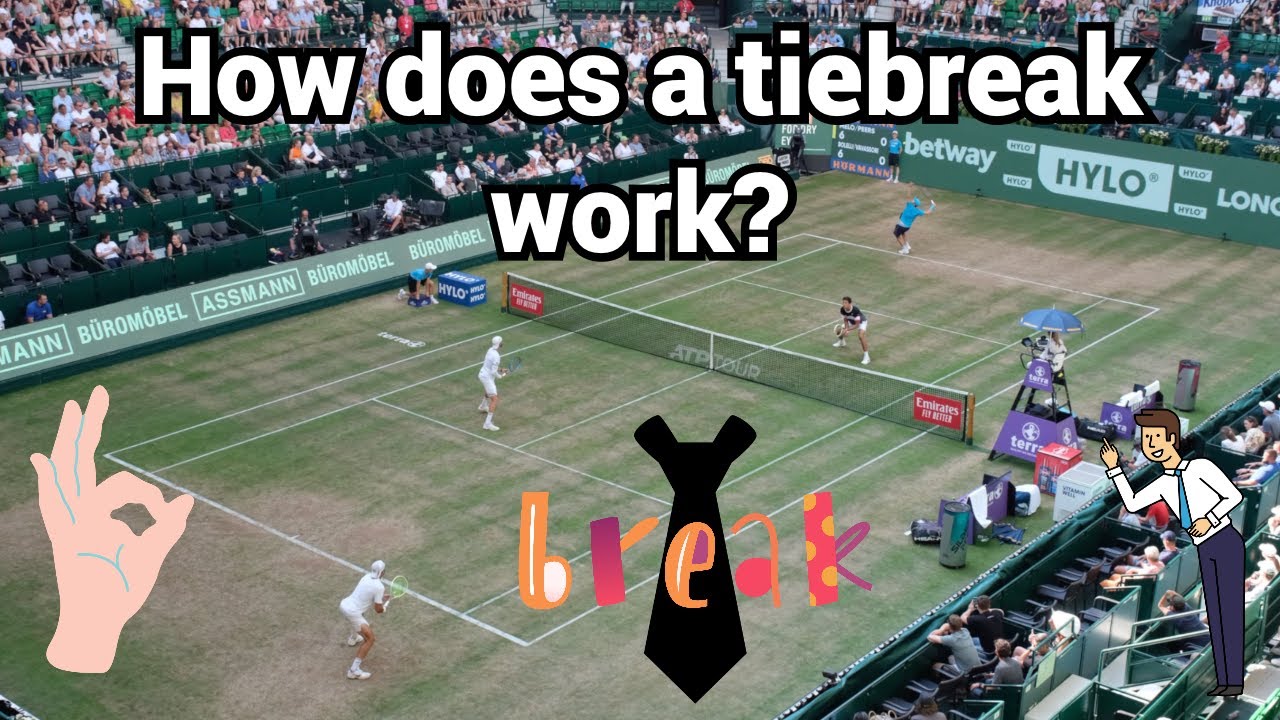
So, how does this magical device work? It’s simpler than learning to fold a fitted sheet, I promise. The tiebreaker is essentially a race to seven points, but you have to win by two. It’s like a super-charged sprint where every point feels like a tiny heart attack, but in a fun way.
The Serving Shuffle
First, the player whose turn it is to serve kicks things off. But here’s the twist: they only serve one point from the deuce side (the right side of the court). After that, the serve changes to the opponent, who then serves two points—first from the ad side (left), then from the deuce side. Servers keep swapping every two points for the rest of the tiebreaker. Got it? No? Don’t worry; even the pros mess this up sometimes.
Must Read
To make it even more chaotic, the players switch ends of the court after every six points (like when the score is 3-3, 4-2, or 5-1). Why? To make sure no one gets an unfair advantage from the sun or wind. It’s like a squatter’s rights check, but for tennis. Imagine running from one side of the court to the other just to serve—your legs will hate you, but that’s the sport’s version of a practical joke.
The Score Goes… Weird
Forget “love,” “15,” “30,” and “40.” In a tiebreaker, the score is just plain numbers. You’ll hear “3-2,” “5-4,” or my personal favorite, “6-6” (which means you haven’t won yet—keep grinding). The announcer will call out the server’s score first, then the receiver’s. So if you’re serving and losing 2-5, you’ll hear “2-5,” but you’ll still have to pretend you’re not panicking.
Here’s the golden rule: you must win by two points. This is where things get deliciously dramatic. If the score hits 6-6, you keep playing until someone leads by two. That can lead to 8-6, 10-8, or even a 20-18 marathon that makes your next-door neighbor’s Netflix marathon look lazy. It’s like waiting for your grandma to finish a story—you’re in it for the long haul, and the payoff is chef’s kiss.
 What Is The Tie Breaker In Tennis at George Jelks blog
Why This System Is Genius (and Mean)
The tiebreaker is a psychological warfare device. Every point feels like winning a small battle in a war, but the war keeps escalating. A single double-fault or a lucky net-cord can flip the entire thing. It’s why you see players screaming “C’mon!” after a crucial point—they’re basically having a three-second emotional breakdown before the next serve.
And let’s not forget the no-ad scoring rule in some tiebreakers (like in doubles matches). Basically, when the score hits deuce (40-40), the next point wins the game. It’s a “sudden death” lite—no more back-and-forth deuces. It’s like pulling the last straw, but for your sanity. You either win or you go home and cry into your tennis racket.
Final Set Shenanigans
Now, for the nerds among us: some tournaments (like Wimbledon) used to make you win the final set by two games (no tiebreaker at all). That could lead to 13-11 or 70-68 sets. Yes, actual humans played that. These days, most grand slams use a tiebreaker at 6-6 in the final set, or a super-tiebreaker (first to 10 points, win by two) to end the match. It’s like they finally realized we all have lunch plans.
If you’re watching a match and the scoreboard suddenly shows a tiebreaker, grab your snacks and lean in. This is the part where heroes are made, and where villains miss easy volleys. It’s the ultimate equalizer—even the best player in the world can lose a tiebreaker to a lucky wind gust.
 Tie-Breaker Scoring | Understanding Tennis Tie Break Score: Rules
So, You’re Playing One—Now What?
If you’re out on the court and a tiebreaker starts, here’s your game plan: relax your grip. Seriously. Your racket is not a stress ball. Try to get the first point (serving or returning) because that first point is like the first pancake—if you burn it, the rest are usually okay, but it still stings.
Also, hit to the backhand of your opponent. Everyone’s backhand is a little worse under pressure, unless you’re playing Rafael Nadal. In that case, just pray and hit the ball anywhere. And for the love of all things fuzzy, don’t change your socks between points. It won’t help, but it’ll make you look like you’re stalling.
The Grand Finale
Here’s the uplifting twist: a tiebreaker is a lot like life. It’s fast, unfair sometimes, and you have to win by two in the end. You can be down 6-0 and still win 8-6 if you just keep trying. Every missed shot is just a chance to hit a better one next time. And when you finally win that seventh point with a winner down the line? The feeling is pure, unfiltered joy.
So next time you see a tiebreaker on TV (or play one yourself), remember: you’re not just counting points. You’re witnessing a tiny, beautiful piece of chaos where everyone—from the world #1 to your weekend hero—is just one good bounce away from victory. And if you lose? That’s okay. You’ve still got the memory of that one amazing shot where you accidentally looked like a pro. Go grab some iced tea, laugh about it, and know that the next tiebreaker is always just around the corner. Game, set, and smile.
