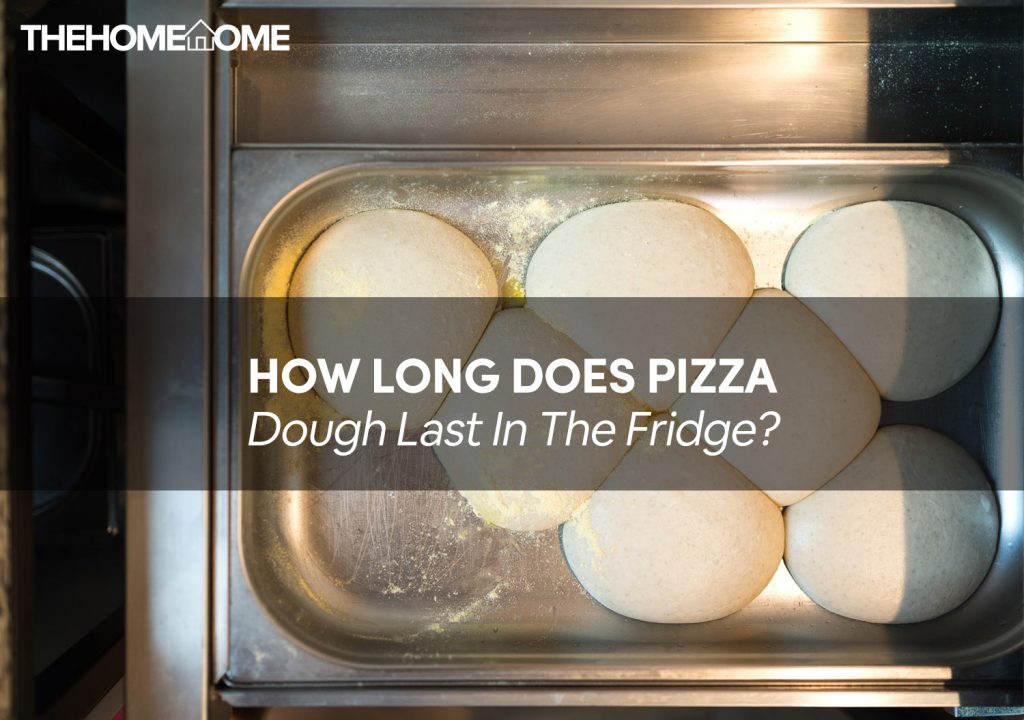
How Long Can Homemade Pizza Dough Last In The Fridge

So, you’ve got a ball of homemade pizza dough sitting in your fridge. Maybe you made too much, or maybe you got a little ambitious on a Sunday afternoon. Either way, you’re st...
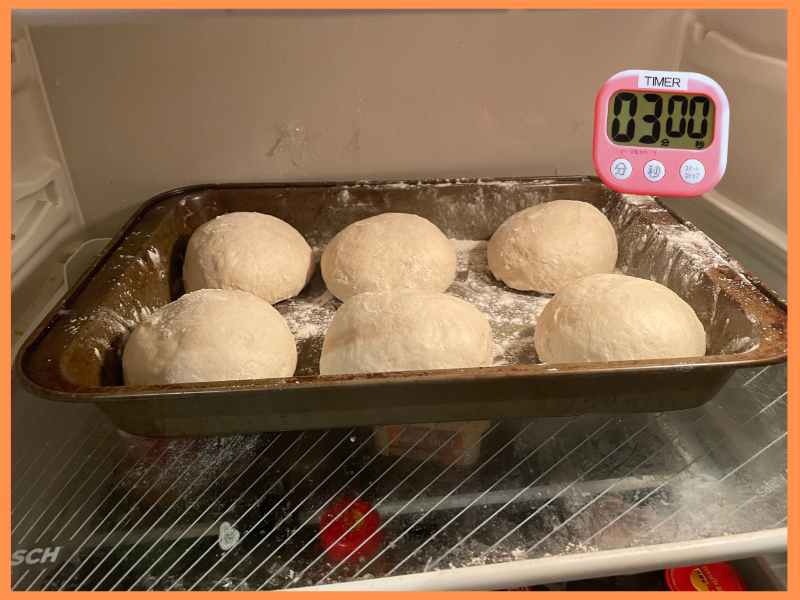
So, you’ve got a ball of homemade pizza dough sitting in your fridge. Maybe you made too much, or maybe you got a little ambitious on a Sunday afternoon. Either way, you’re staring at it and wondering: how long can this thing actually hang out in there?
It’s a valid question, because freshly made dough is a delight, but fermented dough? That’s where the magic really happens. Let’s be real, we’ve all left things in the fridge longer than we planned, and with dough, that’s sometimes the best move you can make.
The Short and Sweet Answer (The “Three-Day Rule”)
Here’s the deal: your homemade pizza dough is perfectly happy in the fridge for about three to five days. Yes, five. That’s a whole workweek of pizza potential. After day one, it’s still a bit sleepy. Day two? It’s waking up, developing a deeper, nutty flavor.
By day three, you’ve hit the sweet spot—the flavor prime. Think of it like a fine wine, but cheaper and covered in cheese. After day five, the yeast starts getting tired and the dough might over-ferment, giving it a sour, boozy smell. That’s your warning sign.
Why Cold Dough is Actually Cooler Than Fresh Dough
Here’s the fun part: why would you even want to keep dough in the fridge for days? Because cold fermentation is a cheat code. The yeasts and bacteria munch on the flour slowly, creating complex sugars and acids. The result? A crust that’s crispy on the outside, chewy on the inside, with a flavor that tastes like you went to Italy.
It’s not just about patience, it’s about evolution. Fresh dough is like a teenager—loud, quick, and a little flat. Cold-fermented dough is like a retired professor—deep, thoughtful, and full of character. You want the professor on your pizza night.
What Happens After Day Five? (The Sourdough Situation)
Let’s say you forget about it for a week. Is it dead? No way. It’s just… different. The dough might turn a little gray or develop a faint beery smell. That’s not spoiled, it’s transformed. You can absolutely use it, but expect a tang similar to sourdough.
If you see mold—green, fuzzy, or black spots—toss it immediately. That’s not flavor, that’s a science experiment gone wrong. Otherwise, a slightly funky smell is okay. Your nose knows: if it smells like bread gone bad, trust your gut. If it smells like a brewery, you’re golden.
Pro Tips to Make Your Dough Last Longer
Oil is Your Best Friend
Before you pop your dough ball in the fridge, brush it lightly with olive oil. This locks in moisture and prevents a dry, crusty skin from forming. Think of it like a mini spa day for your dough. It keeps it supple and ready to stretch.
Use an Airtight Container (Or a Really Good Bag)
Don’t just wrap it in cling film like you’re rushing. Use a sealed container or a zip-top bag. Otherwise, your dough will absorb weird fridge smells—you don’t want pizza that tastes like last week’s leftover fish. An airtight home keeps it pure.
The “Feel” Test Beats the Calendar
Forget the exact day count. Just feel it. If the dough is soft, elastic, and bounces back when you poke it, it’s ready. If it’s sticky, liquidy, and falls apart, it’s over-fermented. No stress—you can still bake it, just add a little flour.
Can You Freeze It? (Spoiler: Yes, and It’s Awesome)
If you know you won’t use the dough in five days, freeze it! That’s the ultimate time hack. Wrap it tightly in plastic wrap, then in foil, and it’ll last for about three months. When you’re ready, thaw it overnight in the fridge.
Frozen dough is like a time capsule. It goes in cold, wakes up cozy, and then bakes into your best pizza ever. You can stockpile dough for pizza emergencies—which, let’s be honest, are real and frequent.
Final Chill Thought
So, how long can homemade pizza dough last in the fridge? Three to five days, easy. But the real question is: why wouldn’t you let it hang out for at least two? That cold rest gives you a better pizza with almost zero extra effort. It’s like letting a stew simmer—you get rewarded.
Next time you make dough, make extra. Stick it in the fridge. Let it get a little wise. Then, on a busy Tuesday, pull it out, shape it, and feel like a hero. Your fridge is a pizza lab, not just a box for leftovers. Use it wisely.