How Long Does An Industrial Piercing Take To Heal

So, you’ve finally done it. You walked into that piercing studio, took a deep breath, and let a professional slide a long barbell through the top of your ear cartilage. Welcom...

So, you’ve finally done it. You walked into that piercing studio, took a deep breath, and let a professional slide a long barbell through the top of your ear cartilage. Welcome to the club of the brave, the bold, and the slightly sore. The industrial piercing is a statement—it’s the superhero cape of ear jewelry, connecting two holes with a single, daring rod. But now you’re probably staring in the mirror, wondering the one big question: how long does this thing actually take to heal?
Spoiler alert: it’s not a weekend project. If you’re hoping for a quick turnaround like a paper cut or a stubbed toe, you’re in for a reality check. The honest truth is, an industrial piercing takes anywhere from 6 to 12 months to fully heal. Yes, you read that right—up to a whole year of your life dedicated to this shiny little bar. Why so long? Because you’re not piercing a soft earlobe; you’re going through two layers of tough cartilage, which is like trying to heal a tiny, sensitive mountain range.
Think of cartilage as the stubborn friend who refuses to change plans. It has very little blood flow, which means it heals at a glacial pace compared to your fleshy earlobe. Lobe piercings? Those are the speed demons—they’re often healed in 6 to 8 weeks, like a quick coffee run. An industrial, however, is more like a slow-cooked stew: patience is the secret ingredient. Don’t get discouraged, though—this is why you should care. Knowing the timeline helps you avoid freak-outs when you still see a little redness at month three.
Must Read
Let’s talk about what “healed” actually means. For the first few weeks, you’ll probably feel a dull throb if you bump it, and you might get a crusty buildup (gross but normal—just clean it gently). This is the “beginner phase,” where your ear is basically a drama queen. Around month two, things calm down, but the piercing is still fragile—like a baby bird learning to fly. Full healing means the fistula (the tunnel of skin inside) is strong, pain-free, and ready for you to change jewelry without drama.
Now, here’s the relatable part: everyday life will try to sabotage your healing. You’ll forget and snag your industrial on a sweater, a towel, or—worst of all—a hairbrush. Ouch. I once yanked mine on a seatbelt buckle, and I swear I saw my life flash before my eyes. Sleeping is another battlefield, because rolling onto that ear feels like a betrayal of trust. Invest in a travel pillow or a donut pillow—it sounds silly, but it’s a game-changer for saving your piercing (and your sleep).
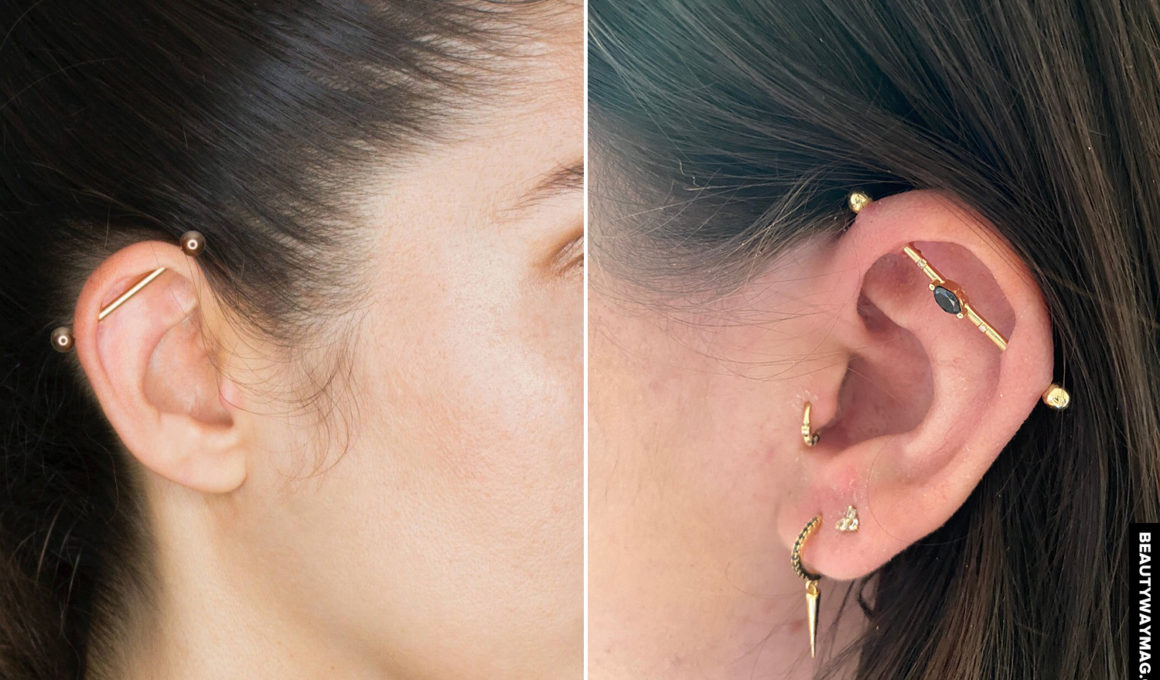 Industrial Piercing: Pain, Side Effects, Healing, & Aftercare
Why should you care about the healing timeline?
Because rushing it is the #1 way to ruin your piercing. If you swap out the jewelry too early, you can trigger irritation bumps, infections, or even force the piercing to close up. Imagine waiting six months, only to lose your progress because you wanted to try a cute hoop. That’s like baking a cake for hours and then opening the oven too soon—the whole thing collapses. Be smarter than your impatience.
Plus, understanding the timeline helps you separate normal healing from warning signs. A little swelling and tenderness in the first week? Totally fine. Green pus, intense heat, or a red rash spreading down your ear? That’s your body screaming for a doctor. Knowing what’s typical stops you from panicking (or ignoring something serious). Your piercer is your best friend here—they’ve seen it all, from crusty disasters to perfect healers.
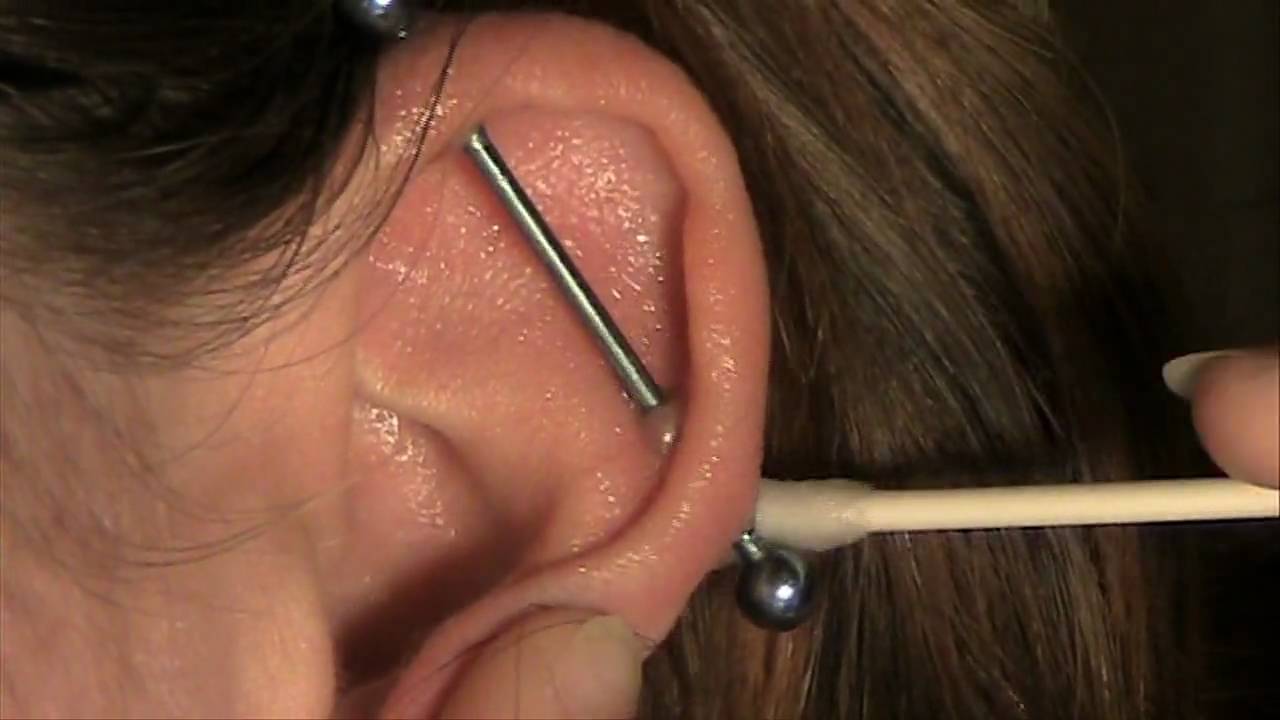 How Long Does It Take To Heal Industrial Piercing | Best Piercing Ideas
How to speed things up (a little)?
You can’t rush cartilage, but you can avoid slowing it down. Clean it twice a day with a saline solution—no alcohol, no hydrogen peroxide, no overthinking it. Treat it like a fragile heirloom: no twisting, no touching, no letting your cousin “just look at it” with dirty fingers. Also, keep your hair clean and away from the area, because product buildup is like glue for bacteria. And please, please don’t sleep on it until it’s fully healed—your ear will thank you.
Here’s a little story to make you smile: my friend Sarah got her industrial done at a music festival, thinking it would be a cool party trick. She stopped cleaning it after two weeks because “it looked fine.” By month four, she had a lump the size of a pea on the back of her ear. A quick fix from her piercer (and a lot of shame) later, she learned her lesson. She now calls that piercing her “patience totem.” Yours doesn’t have to be a warning tale—just be consistent and kind to your body.
In the end, an industrial piercing is a commitment, not just decoration. It’s a tiny, year-long relationship with your own body, asking you to listen and care. The payoff is huge: you get a unique, edgy look that turns heads and sparks conversations. Plus, when it’s finally healed, you’ll feel like a warrior who earned every single millimeter of that barbell. So grab your saline spray, find your travel pillow, and settle in for the ride—you’ve got this. And remember: every time someone asks “how long did that take to heal?” you’ll have a story to tell.
