How Long Will Cooked Pinto Beans Last In The Refrigerator

Last Tuesday, I had a small kitchen triumph. I slow-cooked a massive pot of pinto beans, seasoned with smoked paprika and a whisper of cumin. They were perfect, creamy and ric...
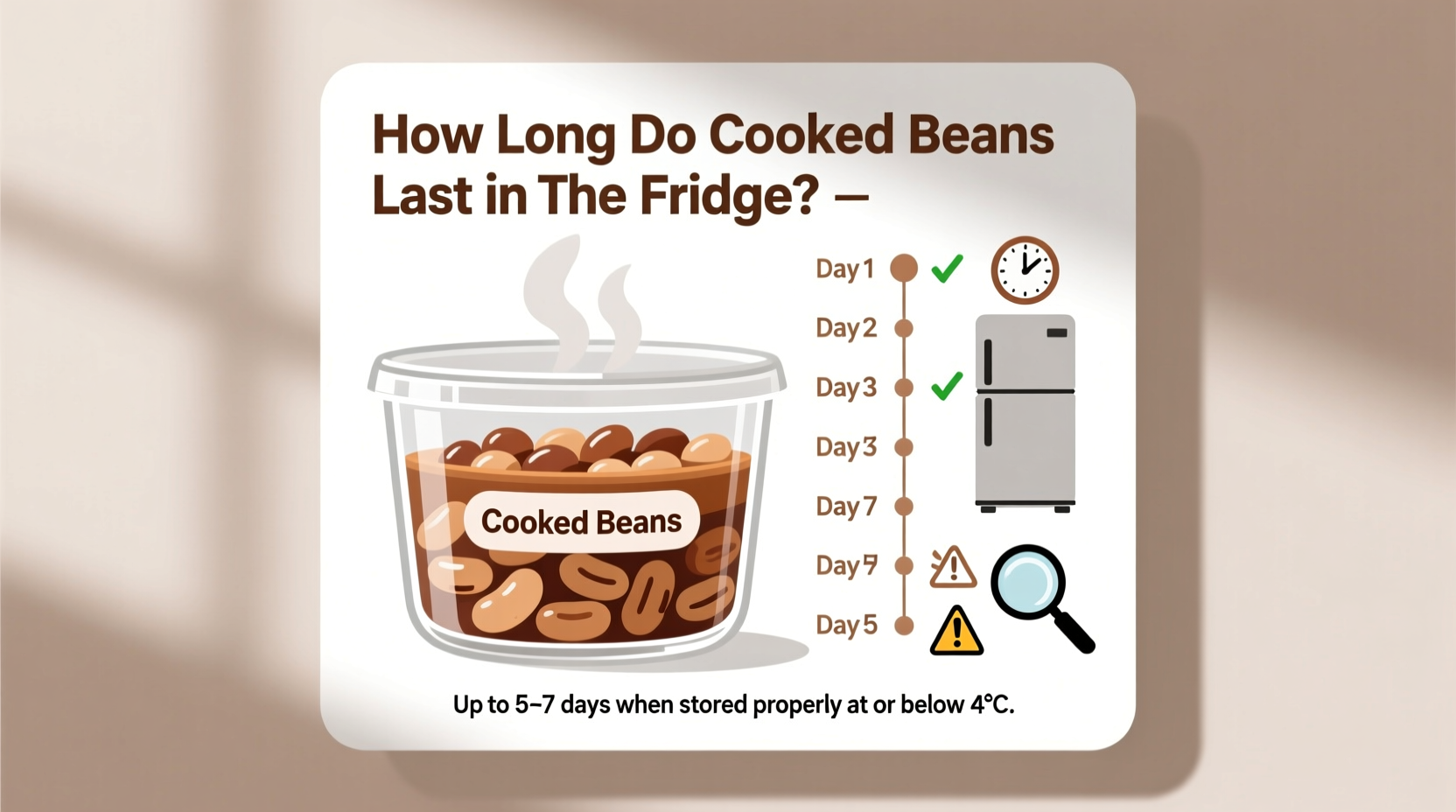
Last Tuesday, I had a small kitchen triumph. I slow-cooked a massive pot of pinto beans, seasoned with smoked paprika and a whisper of cumin. They were perfect, creamy and rich, the kind of meal that feels like a hug in a bowl. But then I looked at the mountain of leftovers and thought, “How long can I actually keep these in the fridge before they turn into science experiments?”
I love pinto beans. They’re cheap, filling, and versatile. But let’s be real: cooking a whole bag for one person is a commitment that screams “leftovers for days.” (Or weeks? Let’s hope not.) So, I dug into the food safety rabbit hole, and here’s what I found.
The short, honest answer: 3 to 5 days, max.
Yes, I know—you’ve probably pushed them to day six or seven and survived. I’m not judging, I promise. But according to the USDA and every reputable food safety guide, cooked pinto beans last three to five days in the refrigerator at 40°F (4°C) or below. After that, the risk of bacteria—like Bacillus cereus or Staphylococcus aureus—starts climbing.
Must Read
Why beans in particular? They’re moist, protein-rich, and have a near-neutral pH. That’s basically a welcome mat for germs. And those stubborn spore-forming bacteria? They can survive the initial cooking, then wake up and party in your leftovers if you’re not careful.
Storage is not just about the date—it’s about the method.
Here’s where I messed up for years: leaving the pot on the stove to cool down for two hours before refrigerating. Bad move. Bacteria multiply fastest between 40°F and 140°F, so letting beans sit out more than two hours is like inviting them to a rave. Cool them quick—spread them in a shallow dish, stir occasionally, then get them in the fridge.
Also, use an airtight container. I know your grandma keeps them in the same pot with a lid, but that’s a major reason they go sour before day four. Oxygen and moisture loss speed up spoilage. Glass or BPA-free plastic? Both work, but glass lets you see if anything weird is growing—trust me, you want that visual cue.
How to tell if they’ve gone bad (without sniffing yourself into a headache).
Your nose is not always reliable. Cooked beans can smell fine but still harbor dangerous toxins. Look for visual cues: slimy liquid, mold spots (especially green or fuzzy white), or a bubbly, fizzy foam on top. If the beans feel sticky or stringy when you stir them, throw them out immediately.
One time, I ate beans on day six that looked fine but tasted slightly sour. I spent the next morning in a very close relationship with my toilet. Learn from my pain. The texture also gives it away: fresh cooked beans are firm but creamy; old ones turn mushy or… gritty. Gritty is bad.
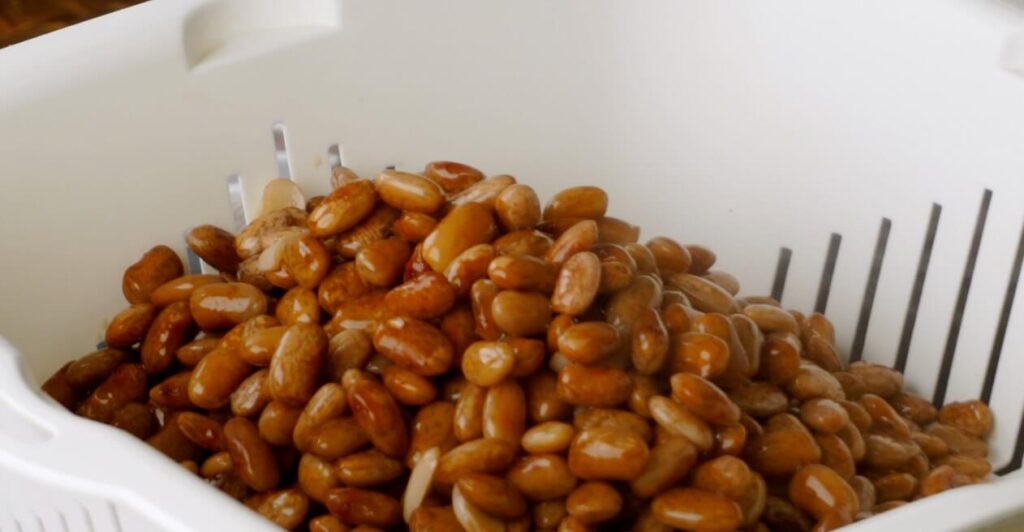 How Long Do Cooked Pinto Beans Last In The Refrigerator | Detroit Chinatown
Can you extend the 5-day limit? Freeze them, you hero.
If you’re not planning to eat them within those three to five days, freeze them. Pinto beans freeze like champions. Portion them into freezer bags with some cooking liquid (that’s the secret to avoiding freezer burn), and they’ll last six months without major quality loss. Thaw overnight in the fridge, and they’ll taste almost as good as fresh.
Freezing stops the clock on bacterial growth, but it doesn’t kill existing bugs. So make sure you freeze them within that two-hour cooling window. And hey, frozen beans are perfect for a lazy Tuesday when you don’t feel like cooking—future you will thank present you.
The “smell test” trap and other lies we tell ourselves.
I get it. You don’t want to waste food. But playing Russian roulette with pinto beans isn’t worth a trip to urgent care. The “smell test” is famously unreliable for beans because they can be toxic without smelling rotten. Trust your calendar, not your nose. If it’s day six, just pitch them. Your stomach will thank you.
One more thing: reheating doesn’t always help. Some bacterial spores survive boiling and produce toxins that heat doesn’t neutralize. So even if you boil those suspicious old beans into mush, the toxins can still make you sick. Don’t do it—buy another bag of dry beans. They cost like two dollars.
Final quirky life hack: label your leftovers.
Take a piece of painter’s tape and write the date you cooked them. I use a Sharpie and slap it on the lid. It takes ten seconds and saves you from that “uhh, was this Sunday or Wednesday?” existential crisis. Your future self, bleary-eyed and hungry, will appreciate the clarity.
Look, pinto beans are a beautiful, humble staple. They deserve to be eaten in their prime—not questioned halfway through a burrito bowl at 10 p.m. on a Thursday. So keep them cold, eat them within five days, or freeze them for later. Your fridge—and your gut—will thank you.
